Issue · Education

Education

Every education bill, vote, and legislator stance in Michigan, automatically classified by Maddy, our AI policy reader.

Total bills
277
2025-2026 Regular Session
Top supporter
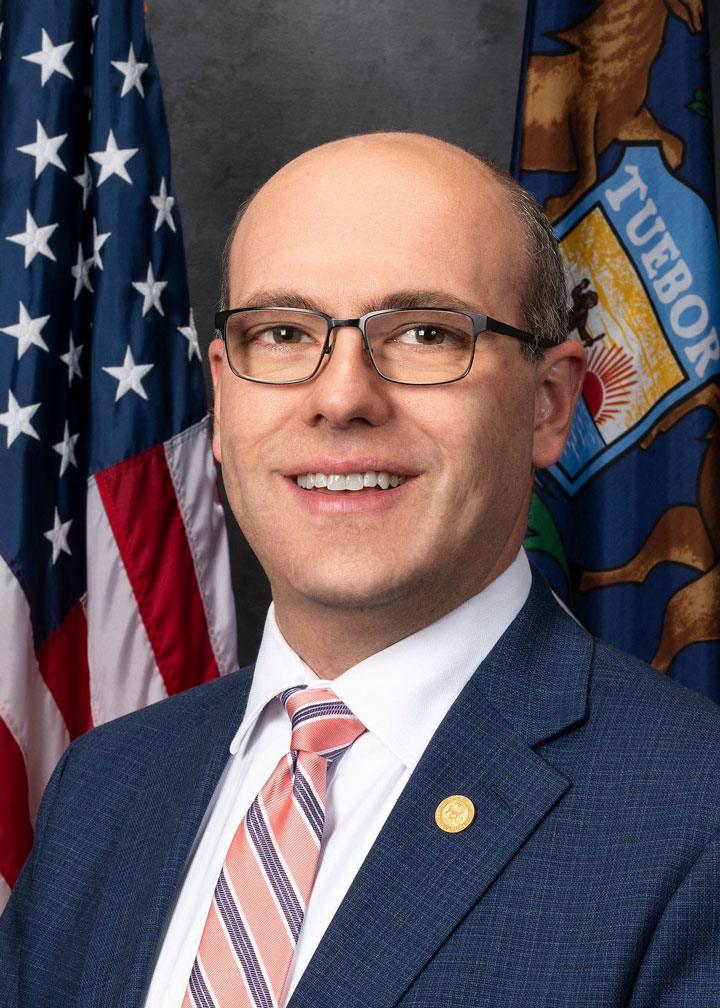
Sean McCann
95% support rate
Top opponent
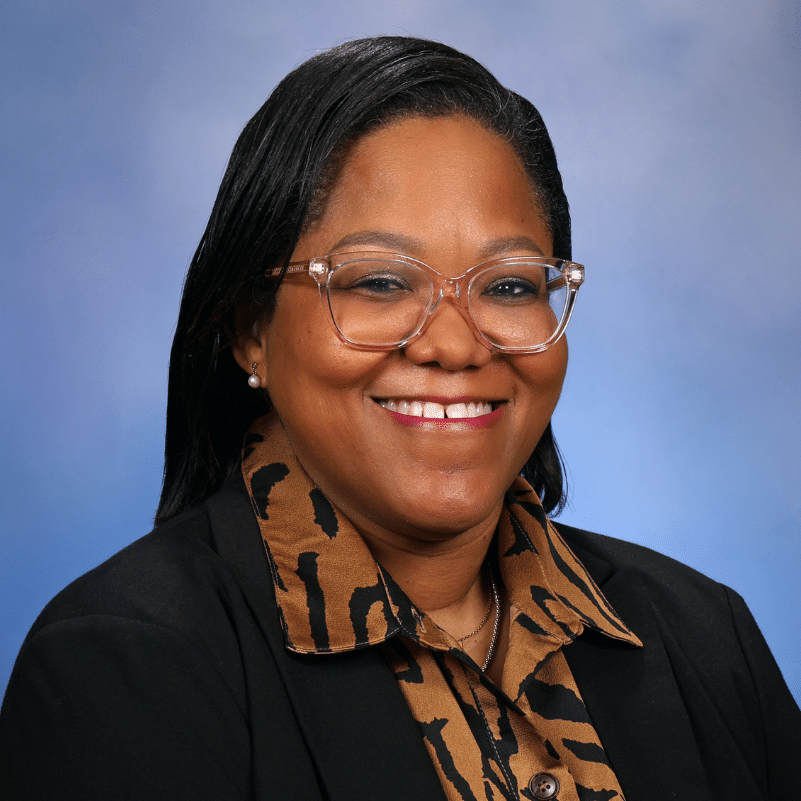
Michele Hoitenga
11% support rate
Ranked legislators
10
5 support · 5 oppose
Key legislators

Who's moving education in Michigan

Legislators moving education in Michigan
Legislator Party Stance Support rate Votes
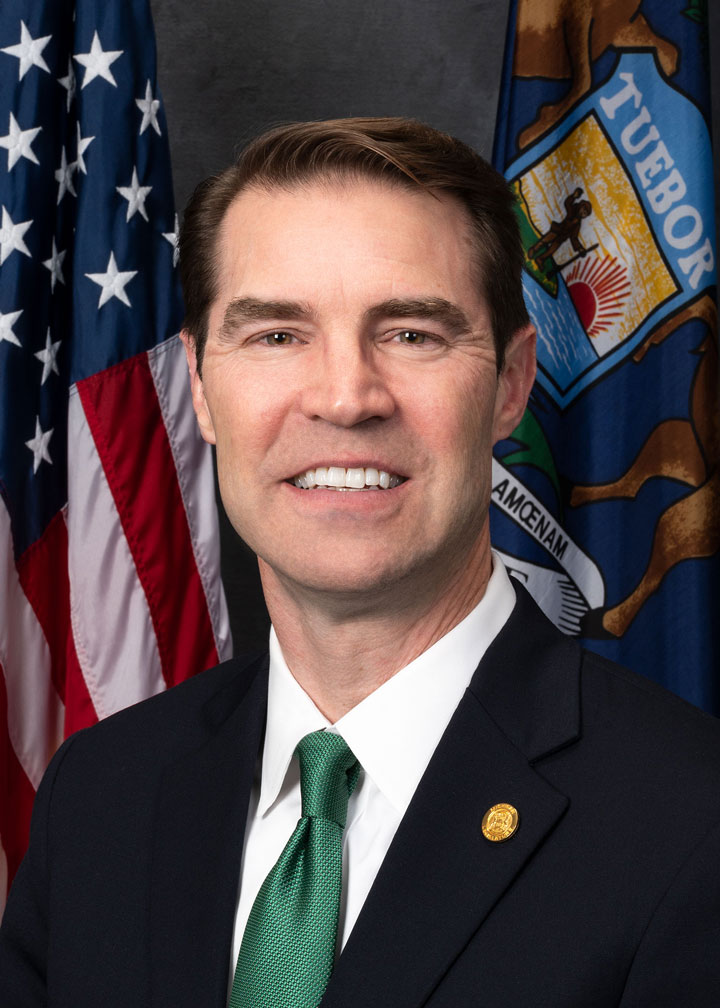
Sean McCann
Sean McCann Senate · District 19
D
Strong +
95% 55
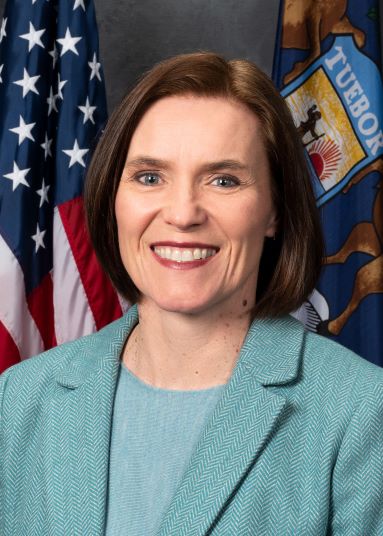
Winnie Brinks
Winnie Brinks Senate · District 29
D
Strong +
95% 56
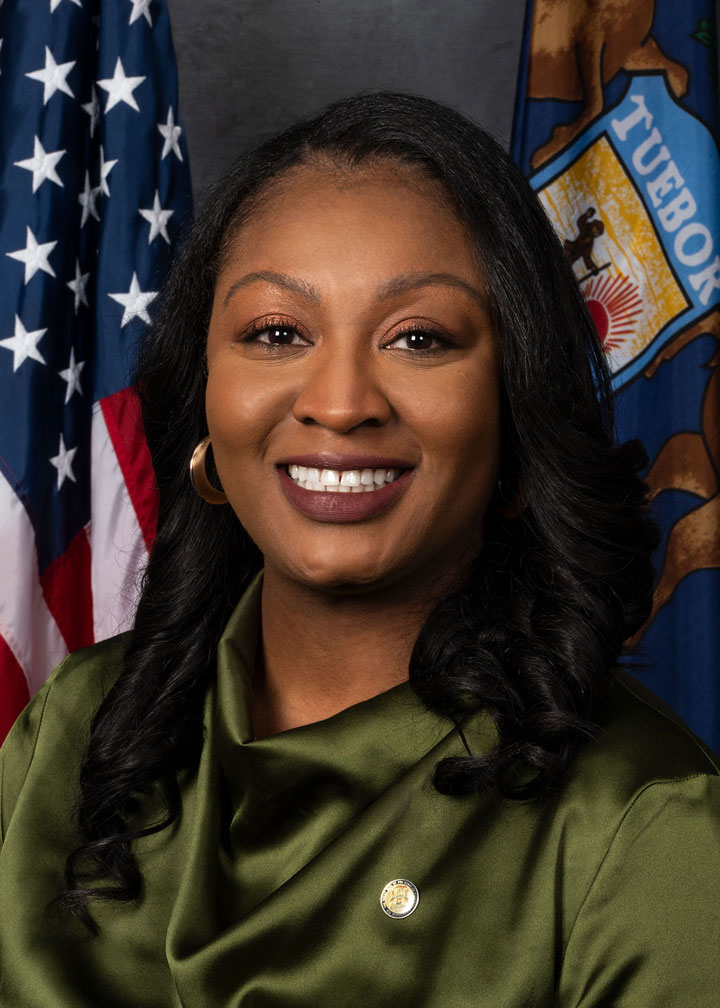
Sarah Anthony
Sarah Anthony Senate · District 21
D
Strong +
95% 56
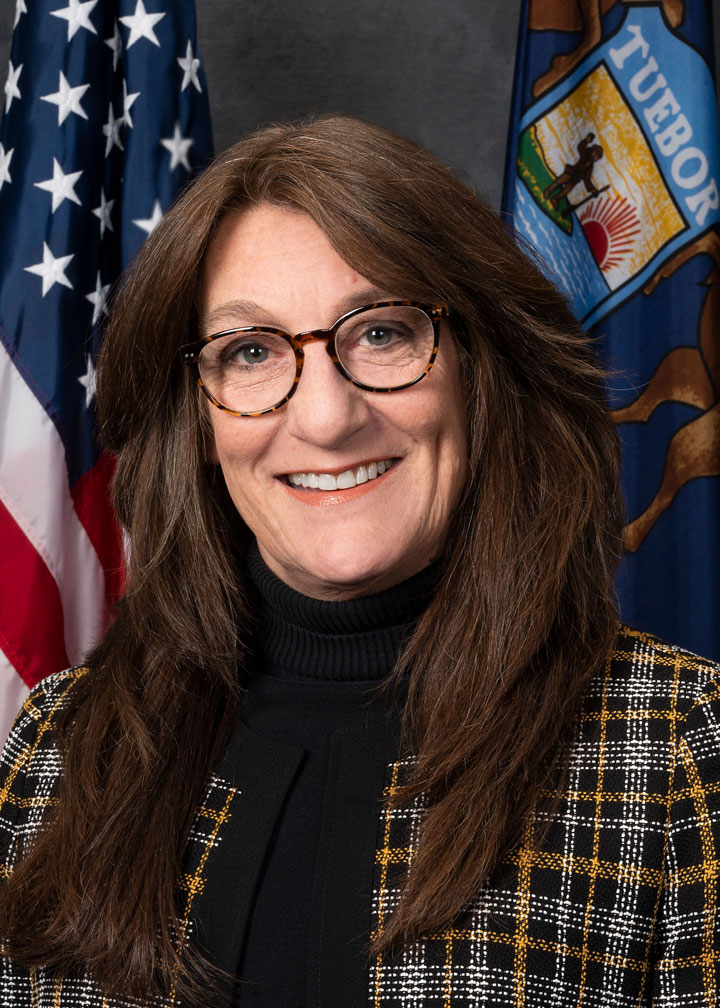
Veronica Klinefelt
Veronica Klinefelt Senate · District 11
D
Strong +
95% 54
John Cherry
John Cherry Senate · District 27
D
Strong +
95% 55
Michele Hoitenga
Michele Hoitenga Senate · District 36
R
Strong −
11% 53
Kimberly Edwards
Kimberly Edwards House · District 12
D
Strong −
15% 49
Carrie Rheingans
Carrie Rheingans House · District 47
D
Strong −
15% 62
Joe Bellino
Joe Bellino Senate · District 16
R
Strong −
16% 54
Jonathan Lindsey
Jonathan Lindsey Senate · District 17
R
Strong −
16% 53
Showing 201–210 of 277 bills

All education bills

in committee · Michigan · Senate Jun 10, 2025

SB 377: Education: curriculum; alternative merit curriculum; provide for. Amends secs. 1278a, 1278b & 1531e of 1976 PA 451 (MCL 380.1278a et seq.) & adds secs. 1278e & 1526c.

SB 377 amends Michigan's high school graduation requirements under the Revised School Code. It requires students to complete specific credit bundles, including 4 math credits (with new flexibility to fulfill some through career-technical education programs like computer science or engineering), 3 social science credits (covering U.S. history, world history, economics, and civics), and visual arts/performing arts credits. The bill directly affects all Michigan public high school students seeking diplomas by changing their course requirements. Key mechanisms include allowing career-technical education programs to count toward math credits and specifying exact social science course requirements.
in committee · Michigan · Senate Jun 11, 2025

SB 368: Education: other; definition of qualified higher education expenses under Michigan education savings program; expand to include certain K-12 tuition expenses. Amends sec. 2 of 2000 PA 161 (MCL 390.1472).

This bill amends Michigan's education savings program to expand "qualified higher education expenses" to include K-12 tuition at public, private, or religious schools. It directly affects Michigan families using the state's education savings accounts who wish to cover K-12 tuition costs. The key provision changes the definition in the program's law to explicitly include tuition expenses for elementary and secondary schools, aligning with IRS Section 529(c)(7). This allows account owners to withdraw funds for K-12 education without penalty, matching the current treatment for higher education expenses under federal law. The amendment applies to all accounts established under the Michigan Education Savings Program Act.
Sub-Topics School Choice
passed · Michigan · Senate May 13, 2025

SB 164: Appropriations: department of lifelong education, advancement, and potential; appropriations for fiscal year 2025-2026; provide for. Creates appropriation act.

SB 164 is a procedural appropriations bill that allocates funding for Michigan's fictional "Department of Lifelong Education, Advancement, and Potential" for fiscal year 2025-2026. It provides a total of $756.2 million, including $670.8 million for early childhood education programs (like child care licensing and Head Start), $11.8 million for higher education initiatives (including student financial aid), and $60 million for one-time programs like college support services. The funding comes primarily from the state general fund, with additional support from federal and private sources. This bill does not create new policies or affect specific individuals - it simply authorizes how existing state funds will be spent on these education-related services.
passed · Michigan · Senate May 13, 2025

SB 167: Appropriations: higher education; appropriations for fiscal year 2025-2026; provide for. Amends secs. 236 & 241 of 1979 PA 94 (MCL 388.1836 & 388.1841).

SB 167 allocates approximately $2.41 billion in state funds to Michigan's public universities for the 2025-2026 fiscal year. The bill specifies exact funding amounts for each institution, including base operations, operational increases, and costs related to the North American Indian tuition waiver program. It details funding sources, with the majority coming from the state general fund. This appropriation directly affects all public universities in Michigan by setting their state funding levels for the upcoming year.
passed · Michigan · Senate May 13, 2025

SB 168: Appropriations: community colleges; appropriations for fiscal year 2025-2026; provide for. Amends secs. 201 & 206 of 1979 PA 94 (MCL 388.1801 & 388.1806).

SB 168 allocates state funding for Michigan's 29 community colleges for fiscal year 2025-2026 under the State School Aid Act. It provides a total of $506,504,600, broken down into specific amounts for each college's operations, performance-based funding, and costs related to the North American Indian tuition waiver program. The bill directly affects all Michigan community colleges by determining their state budget allocations for the upcoming fiscal year. This is a funding bill with no new policy provisions beyond budgetary adjustments.
in committee · Michigan · House Jun 26, 2025

HB 4687: Education: curriculum; curriculum requirements; modify. Amends sec. 1278 of 1976 PA 451 (MCL 380.1278) & adds secs. 1164, 1164a, 1164c, 1164d, 1164e, 1164f & 1164g.

HB 4687 requires all Michigan public school districts and public school academies to incorporate one unit of age-appropriate Black history and one unit of Indigenous People history into their history curriculum starting in the 2027-2028 school year. The bill mandates coverage of historical contributions, discriminatory policies, and civil rights advancements by these communities, while requiring instructional materials to align with state standards and include input from cultural centers and experts. Schools must ensure this instruction is inclusive for all students, including those with disabilities and English language learners, and avoid any bias or discrimination. The law allows flexibility for schools to integrate these units into existing lesson plans rather than creating new courses.
Sub-Topics Curriculum
in committee · Michigan · House Jun 26, 2025

HB 4688: Education: teachers and administrators; instruction and professional development on cultural competency; provide for. Amends 1976 PA 451 (MCL 380.1 - 380.1852) by adding sec. 1526c.

HB 4688 requires Michigan public schools to provide cultural competency training for all educators and school staff starting in the 2027-2028 school year. The state must develop resources covering diversity, cultural identity, historic contributions of multiple cultural groups, and implicit bias (with expert input) by June 2027. Educators must complete this training as part of professional development, while non-educator staff must receive similar training but are exempt from history-focused content. This bill directly affects all public school districts, intermediate school districts, and public school academies in Michigan.
Sub-Topics Teachers
passed both · Michigan · House Jun 26, 2025

HB 4367: Education: other; purple star school program; create. Amends 1976 PA 451 (MCL 380.1 - 380.1852) by adding sec. 1138a.

HB 4367 creates Michigan's "Purple Star School Program" to support military-connected students in public schools. It requires schools to designate a military liaison, maintain an easily accessible website with relocation and support resources, implement transition programs for military-connected students, provide staff training, and offer at least one community initiative like monthly recognition or military partnerships. The program applies to all public schools serving military-connected pupils, defined as students whose families include active/reserve military members or those who lost a service member in action. Schools must meet all these requirements to earn the "Purple Star" designation by 2026. The law aims to improve support systems for military-connected students through concrete, school-level actions.
in committee · Michigan · Senate Jun 26, 2025

SB 453: Education: curriculum; curriculum requirements; modify. Amends sec. 1278 of 1976 PA 451 (MCL 380.1278) & adds secs. 1164, 1164a, 1164c, 1164d, 1164e, 1164f & 1164g.

SB 453 requires Michigan public school districts, intermediate districts, and public school academies to include one unit of age- and grade-appropriate Black history instruction in their history curriculum starting in the 2027-2028 school year. This instruction must cover Black contributions to U.S. society, the history of Black communities in Michigan and the Midwest (including discriminatory policies), and civil rights advancements. The bill also mandates a similar unit of Indigenous People history instruction with identical content requirements. The superintendent of public instruction must develop guidelines with input from cultural centers and scholars, and all instruction must be inclusive and non-discriminatory for all students.
Sub-Topics Curriculum
in committee · Michigan · Senate Jun 26, 2025

SB 455: Education: teachers and administrators; instruction and professional development on cultural competency; provide for. Amends 1976 PA 451 (MCL 380.1 - 380.1852) by adding sec. 1526c.

SB 455 requires Michigan schools to provide cultural competency training for educators and school personnel who interact with students. Starting in the 2027-2028 school year, all educators must complete this training using resources developed by the state department by June 2027, covering topics like diversity, cultural identity, historical contributions of various groups (including Black, Indigenous, Latine, Hispanic, and others), and implicit bias. School personnel with student contact, but not educators, must also receive similar training - excluding the historical topics. The bill mandates that training materials align with state social studies standards and be developed with expert input.
Showing 201 to 210 of 277 bills
Previous 1 20 21 22 28 Next