Issue · Education

Education

Every education bill, vote, and legislator stance in Michigan, automatically classified by Maddy, our AI policy reader.

Total bills
277
2025-2026 Regular Session
Top supporter
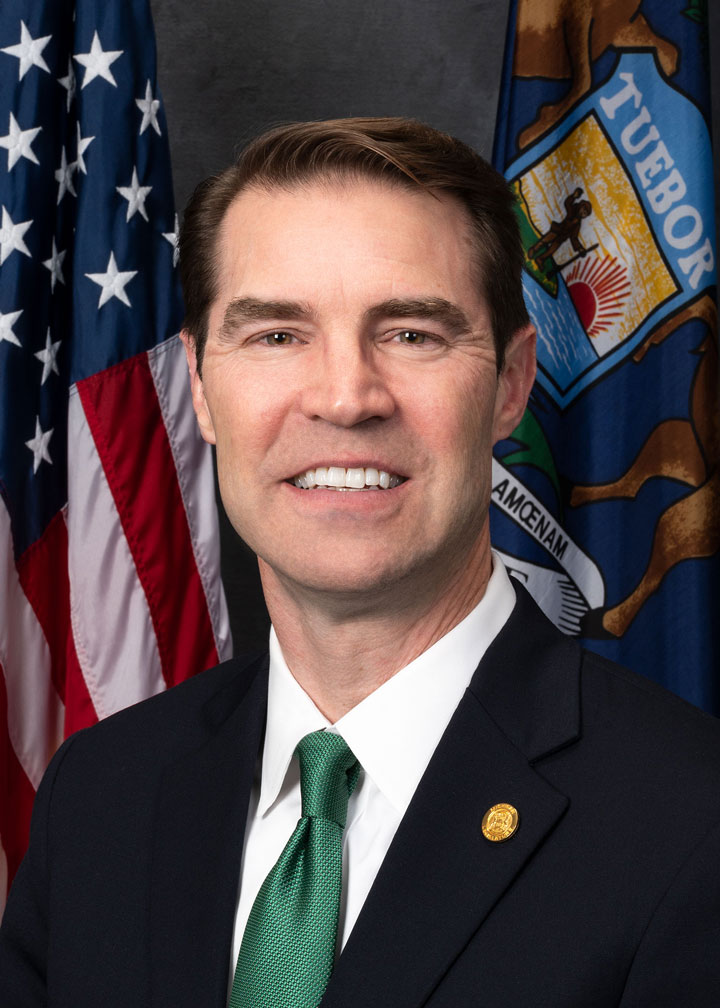
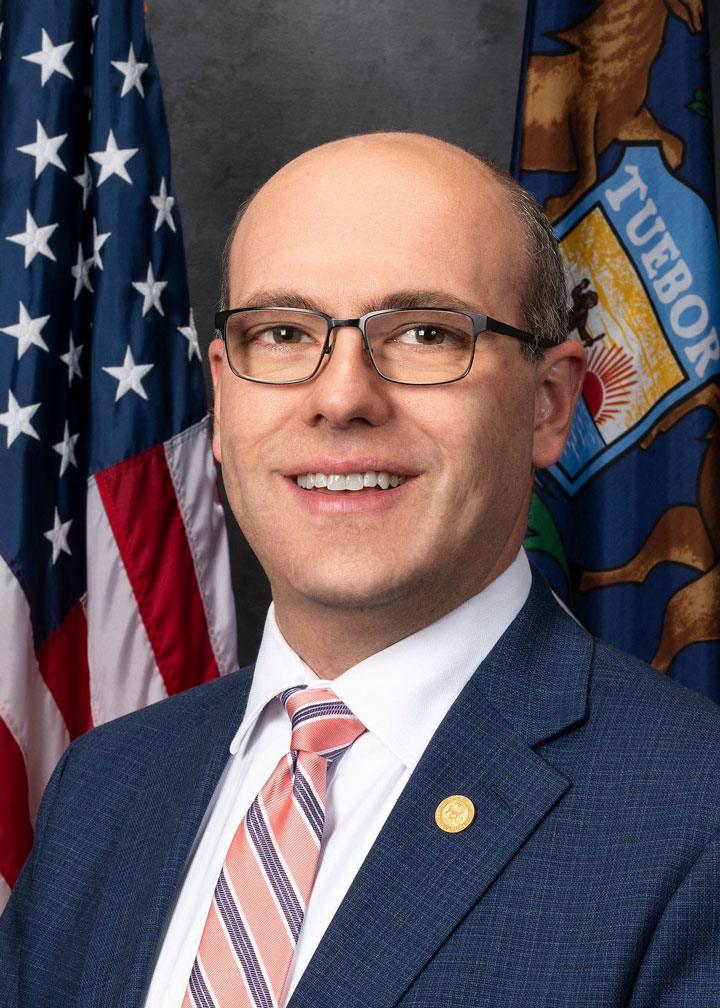
Sean McCann
95% support rate
Top opponent
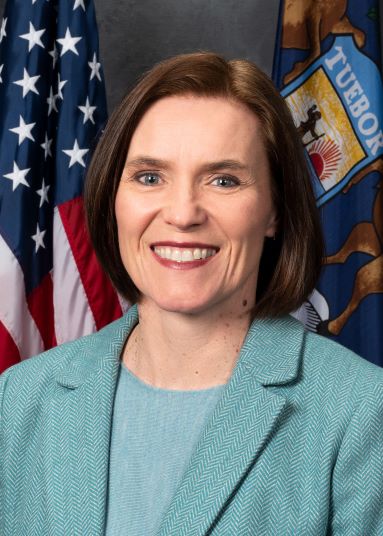
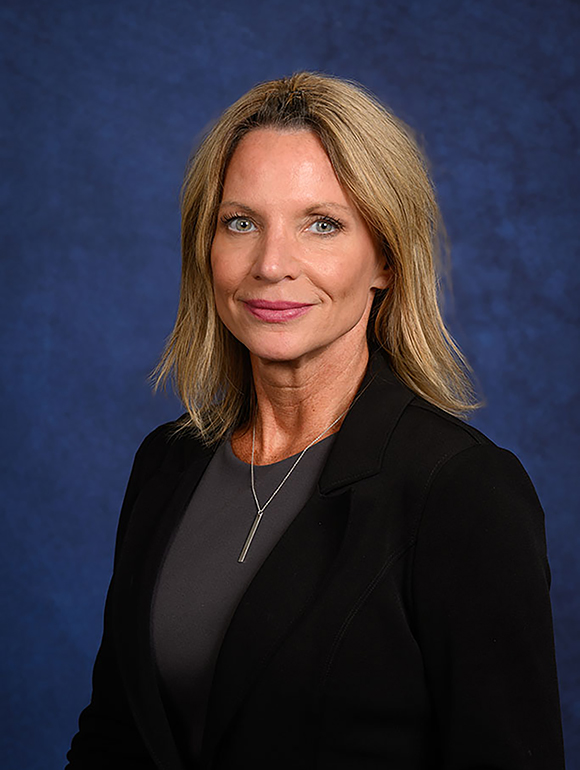
Michele Hoitenga
11% support rate
Ranked legislators
10
5 support · 5 oppose
Key legislators

Who's moving education in Michigan

Legislators moving education in Michigan
Legislator Party Stance Support rate Votes
Sean McCann
Sean McCann Senate · District 19
D
Strong +
95% 55
Winnie Brinks
Winnie Brinks Senate · District 29
D
Strong +
95% 56
Sarah Anthony
Sarah Anthony Senate · District 21
D
Strong +
95% 56
Veronica Klinefelt
Veronica Klinefelt Senate · District 11
D
Strong +
95% 54
John Cherry
John Cherry Senate · District 27
D
Strong +
95% 55
Michele Hoitenga
Michele Hoitenga Senate · District 36
R
Strong −
11% 53
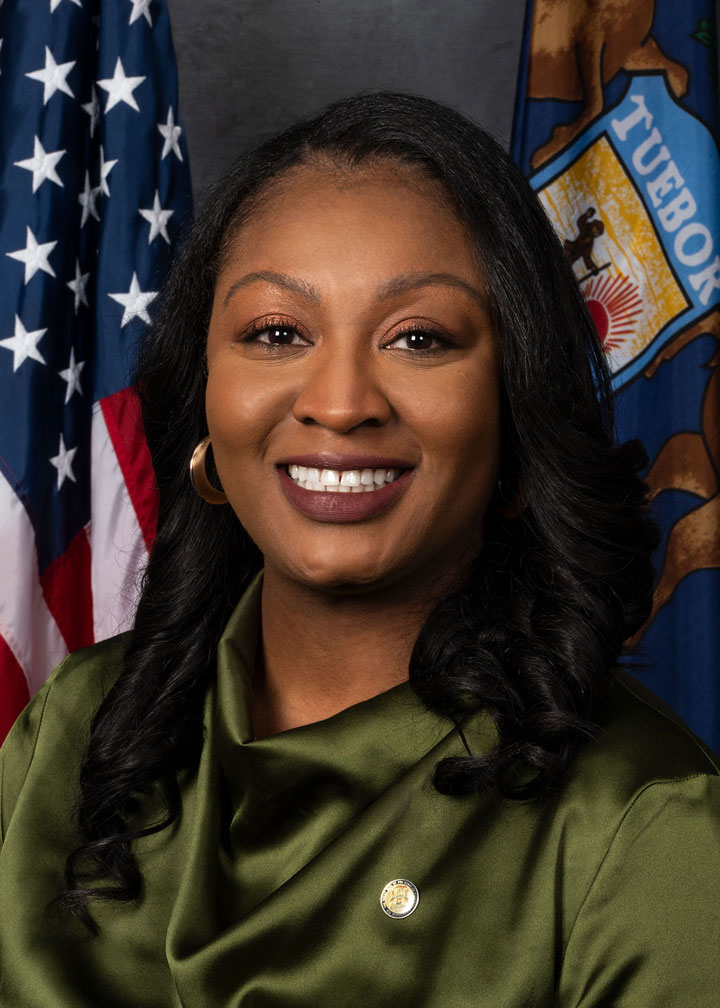
Kimberly Edwards
Kimberly Edwards House · District 12
D
Strong −
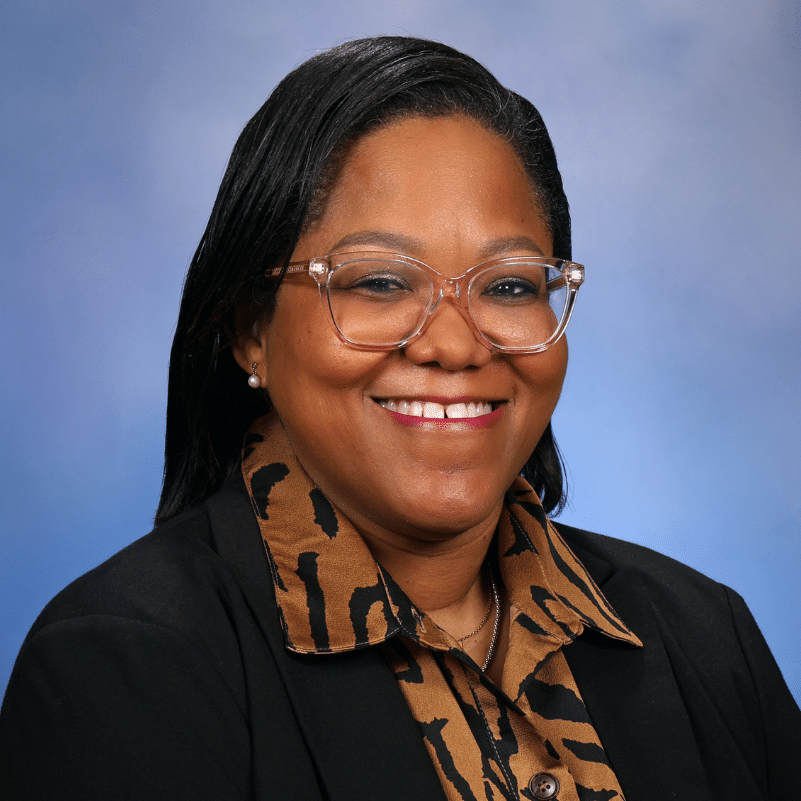
15% 49
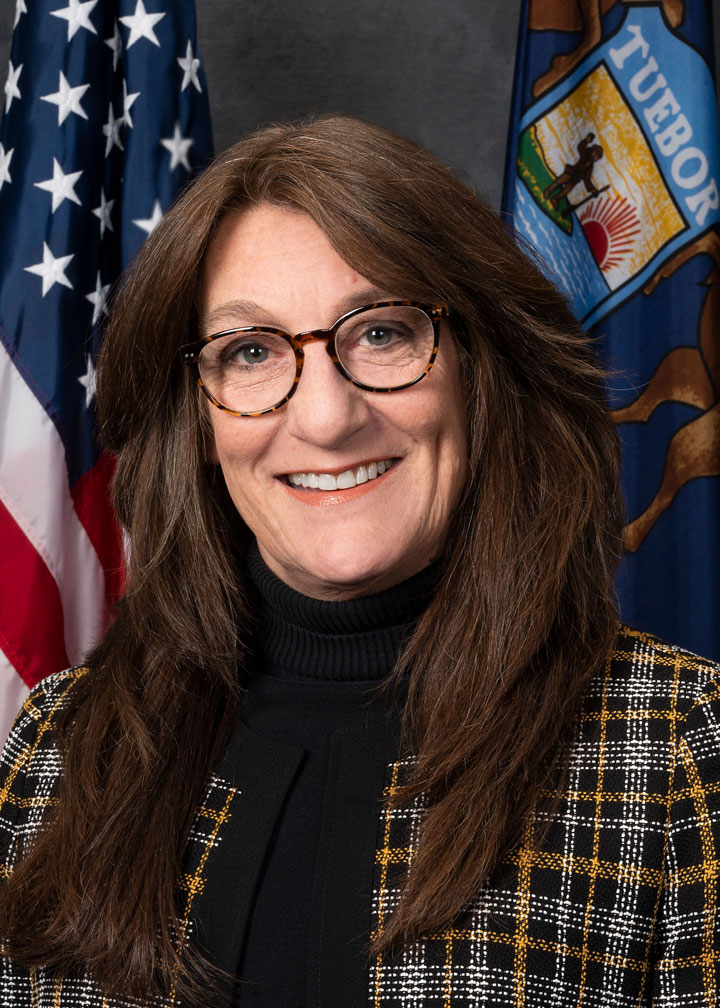
Carrie Rheingans
Carrie Rheingans House · District 47
D
Strong −
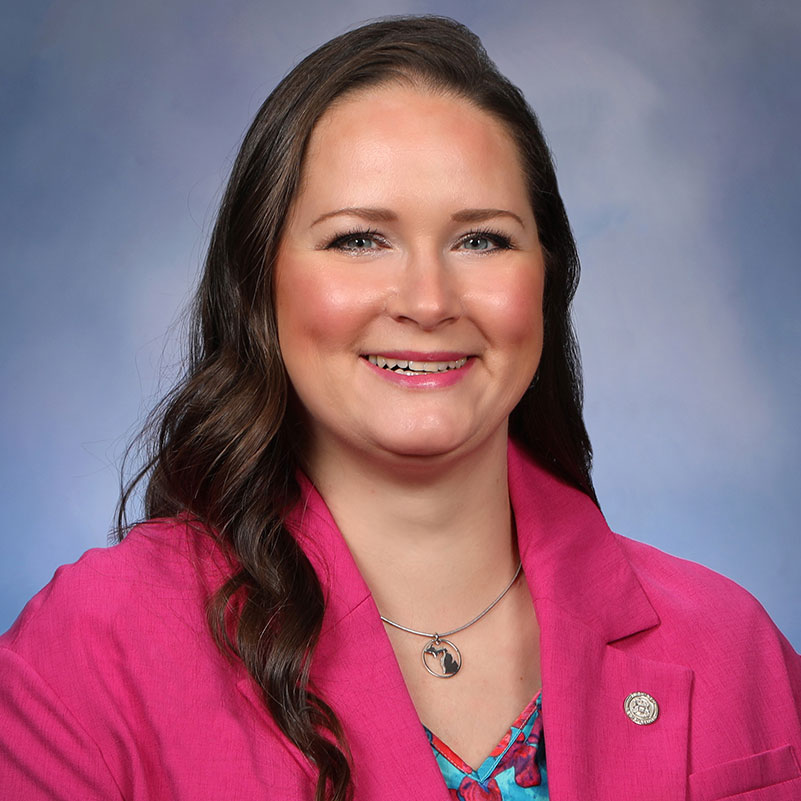
15% 62
Joe Bellino
Joe Bellino Senate · District 16
R
Strong −
16% 54
Jonathan Lindsey
Jonathan Lindsey Senate · District 17
R
Strong −
16% 53
Showing 121–130 of 277 bills

All education bills

passed both · Michigan · House Jul 1, 2026

HB 5338: Education: curriculum; instruction in organ and tissue donation; require. Amends 1976 PA 451 (MCL 380.1 - 380.1852) by adding sec. 1170c.

HB 5338 requires Michigan's education department to develop a brief, one-class-period presentation about organ, eye, and tissue donation - including information about the Michigan Organ Donor Registry - by January 1, 2027. Starting in the 2027-2028 school year, public schools are encouraged to provide this presentation to students before they complete 9th grade. Parents or legal guardians may request their child be excused from the presentation without penalty. The bill does not mandate school participation but ensures the presentation is created in consultation with the state's organ procurement organization.
Sub-Topics Curriculum
in committee · Michigan · House Dec 16, 2025

HB 5362: Appropriations: supplemental; certain funding designated to the University of Michigan; modify. Creates appropriation act.

HB 5362 is a supplemental budget bill that allocates additional state funds to the University of Michigan for its operations during the 2024-2025 fiscal year. It modifies existing state appropriations by designating specific supplemental funding for the University of Michigan, without creating new programs or altering the university's structure. This bill directly affects the University of Michigan's budget, providing it with additional resources from the state's general fund for the upcoming fiscal year. The bill is procedural in nature, focusing solely on the allocation of existing state funds rather than establishing new policies.
in committee · Michigan · House Dec 9, 2025

HB 5312: Education: school choice; enrollment of nonresident pupils; modify. Amends sec. 1401 of 1976 PA 451 (MCL 380.1401). TIE BAR WITH: HB 5310'25, HB 5311'25

HB 5312 amends Michigan's School Code to set new tuition limits for nonresident students attending public schools. It limits K-6 tuition to 25% above the district's average daily operation cost per student (excluding building costs), and grades 7-12 tuition to 12.5% above 115% of that same cost. The bill requires districts to use the previous fiscal year's operation costs and membership data for calculations. It also specifies that these rules expire after July 1, 2026, when schools must follow different rules under another law, and notes the bill only takes effect if two companion bills (HB 5310 and HB 5311) also pass. This directly affects school districts setting tuition rates and nonresident families paying those rates.
in committee · Michigan · House Dec 11, 2025

HR 226: A resolution to urge the United States Department of Education to reject the recommended definition of “professional degree” and instead adopt a more accurate and consistent definition.

This resolution urges the U.S. Department of Education to reject a proposed definition of "professional degree" that would exclude many health care education programs from federal student loan eligibility. It specifically targets programs like physical therapy, occupational therapy, nursing, social work, and physician assistant studies - classified under CIP Code 51 - which would lose access to loans under the current proposal. The bill requests the Department instead adopt a definition based on required practice credentials, not program length or historical classification, to maintain consistent eligibility. This change aims to prevent worsening health care workforce shortages, particularly in rural and underserved communities.
passed · Michigan · House Jun 24, 2026

HB 5358: Education: teachers and administrators; teacher licensing examination requirements; provide for. Amends sec. 1531 of 1976 PA 451 (MCL 380.1531).

HB 5358 modifies Michigan's teacher licensing requirements. It requires teachers seeking professional certification to complete a 3-credit course on diagnosing and supporting students with reading disabilities, including specific tools and strategies. The bill also creates streamlined pathways for out-of-state teachers to obtain Michigan certification if they've taught successfully for at least 3 years in their previous state, waiving some exam and reading course requirements. These changes directly affect teachers, school districts, and teacher preparation programs by altering certification standards and reciprocity processes.
Sub-Topics Teachers
in committee · Michigan · House Sep 9, 2025

HB 4842: Vehicles: driver training; instructor of a driver education instructor preparation course; modify requirements to become. Amends sec. 23 of 2006 PA 384 (MCL 256.643).

HB 4842 updates Michigan's requirements for driver education instructor training programs. It mandates that approved programs must include exactly four specific courses covering driver task analysis, classroom development, vehicle skills, and practicum, with each course requiring at least 2 semester hours and 3 weeks of instruction. The bill also sets detailed qualifications for instructors, requiring either a master's degree in education or 1,500 classroom hours, 500 behind-the-wheel hours, and 3.5 years of teaching experience. These changes directly affect colleges, universities, and training providers seeking approval to offer instructor preparation programs, as well as individuals pursuing driver education instructor certification.
Sub-Topics Driver Licensing
in committee · Michigan · House Nov 4, 2025

HB 5177: Worker's compensation: other; definition of employee; modify to include certain performances of service. Amends sec. 161 of 1969 PA 317 (MCL 418.161).

HB 5177 expands Michigan's workers' compensation coverage to include specific volunteer roles by amending the definition of "employee" in the Worker's Disability Compensation Act. It directly affects on-call members of volunteer underwater diving teams, safety patrol officers (including school volunteers), volunteer civil defense workers, and on-call members of life support agencies who are injured while performing duties - whether paid or unpaid. The bill ensures these volunteers receive full workers' compensation benefits, including wage replacement calculated using the state average weekly wage at the time of injury. This change extends existing protections to these volunteer groups without altering their status as non-employees under other laws.
in committee · Michigan · House Nov 13, 2025

HB 5248: State management: other; state financing of activities or services required of local units of government; provide for. Implements sec. 29, art. IX of the state constitution & repeals 1979 PA 101 (MCL 21.231 - 21.244).

HB 5248, titled the "Headlee unfunded mandates prohibition act," requires the state to fully finance costs for local governments when mandated by state law to provide new or expanded services. It defines "state requirement" as a new or increased service beyond existing law, excluding trivial costs (under $300 per claim) or situations where the mandate offsets existing costs. The bill directly affects cities, counties, school districts, and other local units of government by ensuring the state covers these mandated expenses rather than leaving them to local budgets. Key provisions include requiring state agencies to calculate and fund "necessary costs" for mandated activities, while exempting minor or offsetting cost mandates.
in committee · Michigan · Senate Feb 5, 2025

SB 61: Children: child care; requirement for installation of filtration systems in child care centers and schools; exempt if child care center or school does not test positive for lead. Amends secs. 3i & 3j of 1973 PA 116 (MCL 722.113i & 722.113j).

SB 61 requires Michigan child care centers to implement drinking water safety protocols. Centers must create a management plan detailing water outlets (including filtered vs. unfiltered sources), test water for lead every two years, and respond to results: replace filters immediately for low lead levels (1-5 ppb), shut off water and report for higher levels (>5 ppb), and notify parents. Centers only need to install filtration if testing detects lead, as the law focuses on testing and response, not mandatory filtration. This applies to all licensed child care centers in Michigan, with key deadlines of January 2025 for plans and October 2025 for full compliance.
in committee · Michigan · House Sep 17, 2025

HB 4958: Military affairs: other; tuition assistance for national guard members; modify. Amends secs. 3 & 4 of 2014 PA 259 (MCL 32.433 & 32.434). TIE BAR WITH: HB 4953'25

HB 4958 modifies Michigan's National Guard Tuition Assistance Act to expand eligibility and adjust fund management. It allows Michigan National Guard members and their eligible family members (spouses or dependent children who graduated high school or turned 18) to use tuition benefits, requiring the adjutant general to approve applications based on fund availability. The bill sets a $15 million cap on the tuition assistance fund balance, with excess funds lapsing to the general fund or transferring to a separate benefits fund by 2025. It also clarifies that members who withdraw from courses without completing them must repay the fund unless deployment prevented completion.
Showing 121 to 130 of 277 bills
Previous 1 12 13 14 28 Next