

Issue · Budget & Taxes
Budget & Taxes
Every budget & taxes bill, vote, and legislator stance in Michigan, automatically classified by Maddy, our AI policy reader.
Total bills
561
2025-2026 Regular Session
Top supporter
Chedrick Greene
100% support rate
Top opponent
Jim Runestad
6% support rate
Ranked legislators
10
5 support · 5 oppose
Key legislators
Who's moving budget & taxes in Michigan
| Legislator | Party | Stance | Support rate | Votes |
|---|---|---|---|---|
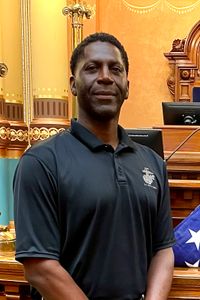
Chedrick Greene
Senate · District 35
|
D |
Strong +
|
100% | 17 |
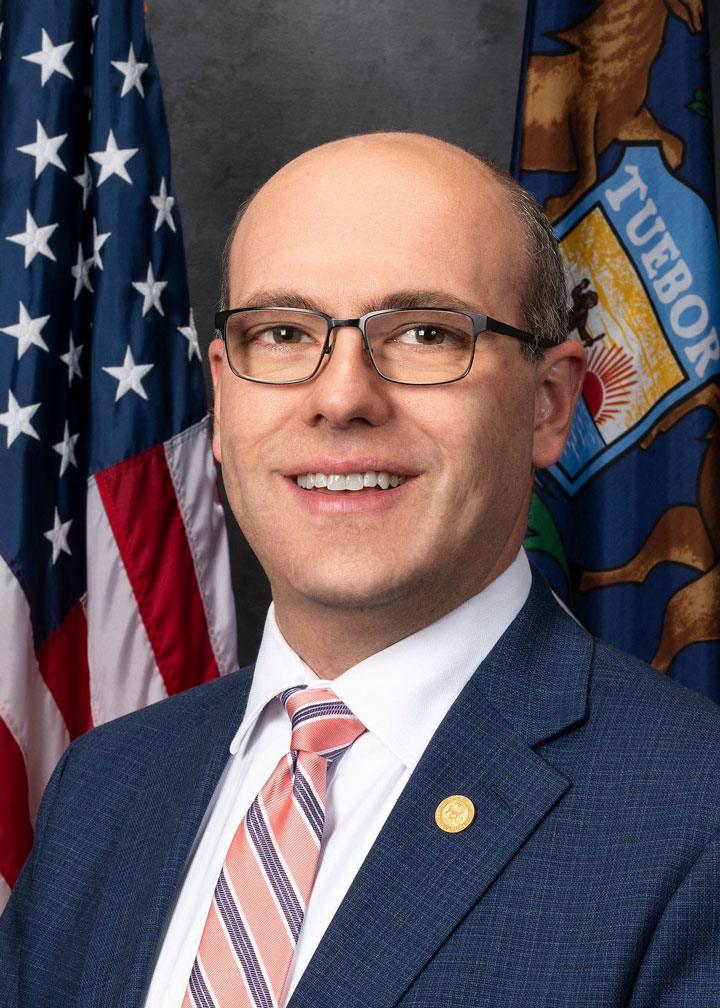
John Cherry
Senate · District 27
|
D |
Strong +
|
97% | 95 |
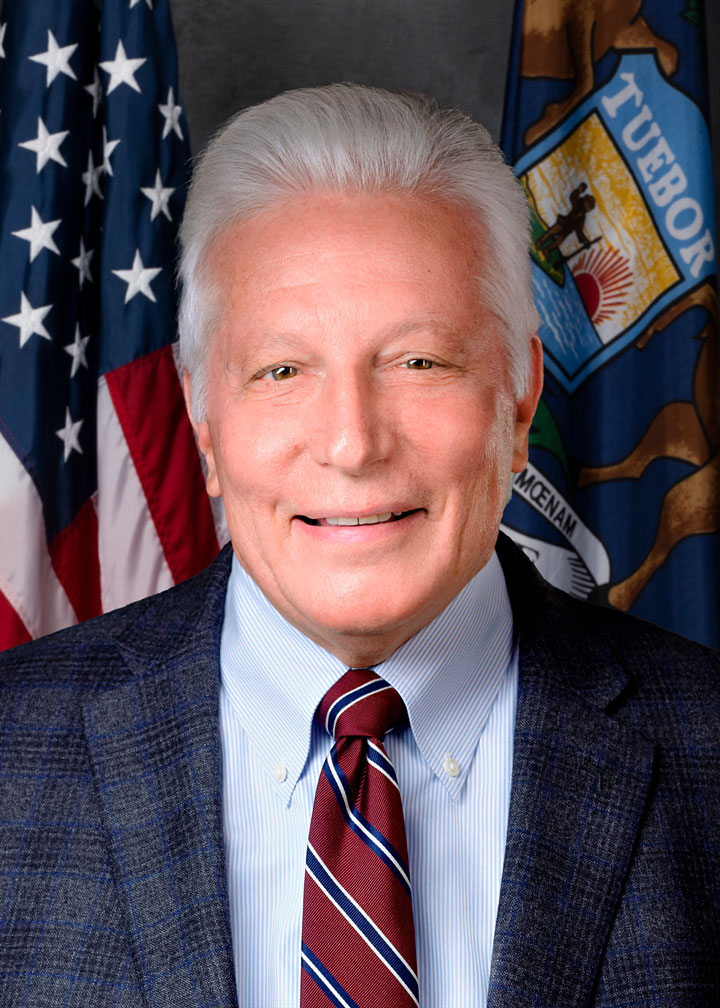
Paul Wojno
Senate · District 10
|
D |
Strong +
|
97% | 94 |
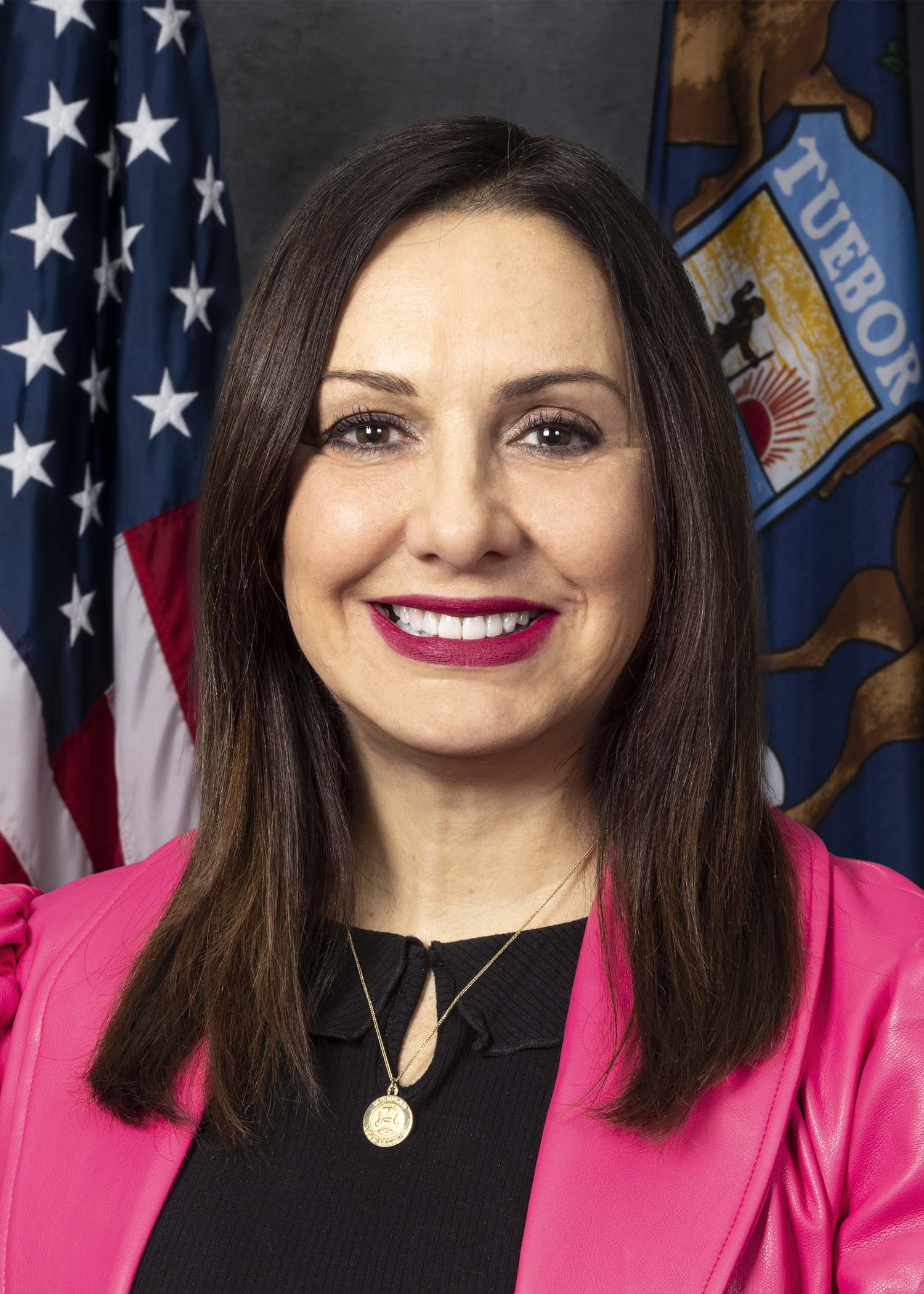
Dayna Polehanki
Senate · District 5
|
D |
Strong +
|
97% | 93 |

Sarah Anthony
Senate · District 21
|
D |
Strong +
|
95% | 97 |
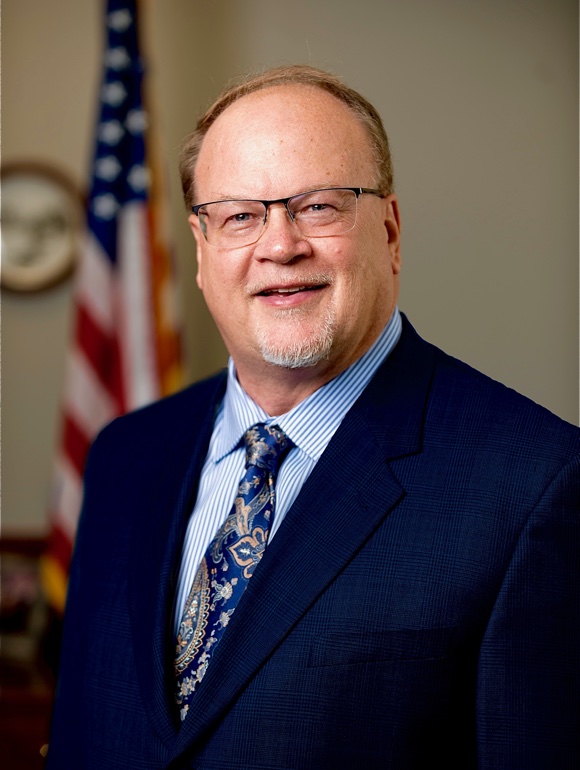
Jim Runestad
Senate · District 23
|
R |
Strong −
|
6% | 73 |
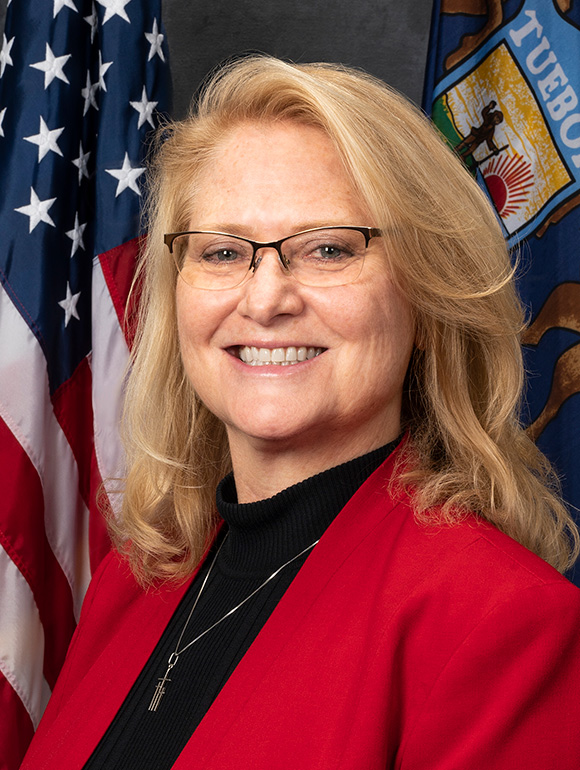
Lana Theis
Senate · District 22
|
R |
Strong −
|
10% | 94 |
Thomas Albert
Senate · District 18
|
R |
Strong −
|
11% | 95 |
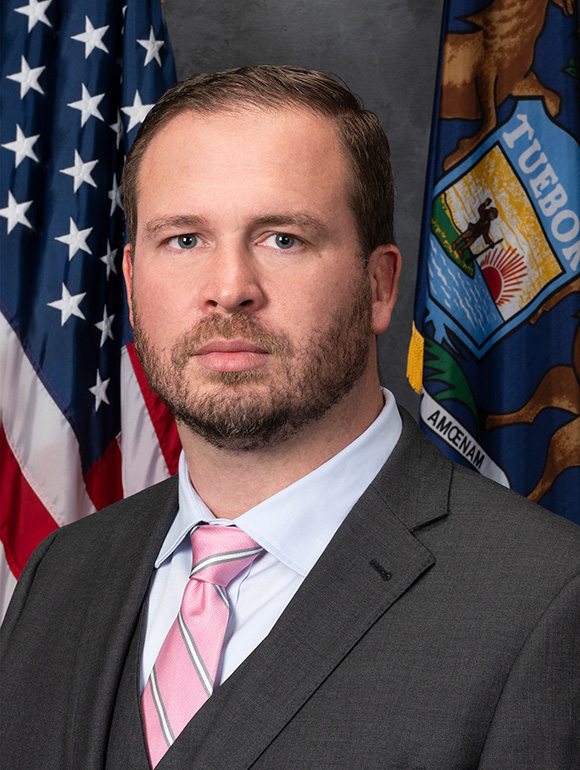
Jonathan Lindsey
Senate · District 17
|
R |
Strong −
|
11% | 94 |

Michele Hoitenga
Senate · District 36
|
R |
Strong −
|
11% | 92 |
Showing 381–390 of 561
bills
All budget & taxes bills
SB 184: Appropriations: supplemental; appropriations for multiple departments and branches for fiscal year 2024-2025; provide for. Creates appropriation act.
Topics
✓ Budget & TaxesSupports Budget & TaxesAllocates $445.86M in supplemental funding for state departments, capital projects, and essential programs like food safety and park conservation, directly advancing fiscal management and public service funding.
✓ EnvironmentSupports EnvironmentFunds $41.77M for capital projects including land acquisitions for parks/conservation areas, directly advancing environmental conservation efforts.
HB 4425: Corporate income tax: other; sustainable aviation fuel incentive program; create. Creates new act. TIE BAR WITH: HB 4424'25
Topics
✓ Budget & TaxesSupports Budget & TaxesCreates corporate income tax credits for sustainable aviation fuel production, directly advancing tax incentive policy under Budget & Taxes.
✓ EnergySupports EnergyCreates tax credits for sustainable aviation fuel production, promoting renewable energy development and 50% GHG reduction targets per program criteria.
✓ EnvironmentSupports EnvironmentCreates tax credits for SAF production requiring 50% GHG reduction, directly promoting cleaner aviation fuel and reducing emissions per EGLE environmental criteria.
✓ TransportationSupports TransportationCreates tax credits for sustainable aviation fuel production, promoting cleaner transportation infrastructure and reducing emissions in aviation sector.
SB 171: Appropriations: department of agriculture and rural development; appropriations for fiscal year 2025-2026; provide for. Creates appropriation act.
SB 168: Appropriations: community colleges; appropriations for fiscal year 2025-2026; provide for. Amends secs. 201 & 206 of 1979 PA 94 (MCL 388.1801 & 388.1806).
Topics
✓ Budget & TaxesSupports Budget & TaxesAllocates $506M for community college operations and performance-based funding under State School Aid Act, directly supporting public education budget allocation.
✓ EducationSupports EducationAllocates $506M in state funding for Michigan community colleges' operations and programs under State School Aid Act, directly supporting higher education infrastructure and access.
SB 180: Appropriations: department of health and human services; appropriations for fiscal year 2025-2026; provide for. Creates appropriation act.
Topics
✓ Budget & TaxesSupports Budget & TaxesAllocates $39.29B to DHHS for essential programs including homeless support and housing, directly funding state operations under budget management.
✓ HealthcareSupports HealthcareAllocates $39.29B to DHHS for health services, community programs including homeless/housing support, directly funding public health operations and recipient programs.
✓ HousingSupports HousingAllocates $197M specifically for 'housing support' under community services programs within DHHS appropriations.
HR 142: A resolution to urge the federal government to ensure continued funding, and reinstate staff, of the Low Income Home Energy Assistance Program (LIHEAP) as they negotiate the “One Big Beautiful Bill Act” so that Michigan can continue its Home Heating Credit Program.
Topics
✓ Budget & TaxesSupports Budget & TaxesUrges federal funding for LIHEAP to maintain Michigan's Home Heating Credit Program, directly supporting low-income energy assistance through continued government spending.
✓ EnergySupports EnergyBill seeks to maintain LIHEAP funding for low-income energy assistance, protecting consumers from high heating costs (support indicator: protects utility consumers).
HB 4057: Individual income tax: deductions; contributions to a child care savings account; deduct. Amends sec. 30 of 1967 PA 281 (MCL 206.30). TIE BAR WITH: HB 4056'25
Topics
✓ Budget & TaxesSupports Budget & TaxesBill allows tax deductions for education payments and retirement benefits, reducing taxable income and providing tax relief to qualifying taxpayers.
✓ EducationSupports EducationAllows tax deductions for higher education tuition payments, reducing costs for families and supporting access to higher education.
✓ VeteransSupports VeteransBill explicitly includes Michigan National Guard pensions in tax deductions, providing a financial benefit for veterans through tax relief.
Sub-Topics
National Guard & Reserve
HB 4014: Property tax: assessments; transfer of ownership of certain real property to certain individuals; exempt from uncapping of taxable value upon transfer. Amends sec. 27a of 1893 PA 206 (MCL 211.27a).
Sub-Topics
Property Tax