

Issue · Budget & Taxes
Budget & Taxes
Every budget & taxes bill, vote, and legislator stance in Michigan, automatically classified by Maddy, our AI policy reader.
Total bills
561
2025-2026 Regular Session
Top supporter
Chedrick Greene
100% support rate
Top opponent
Jim Runestad
6% support rate
Ranked legislators
10
5 support · 5 oppose
Key legislators
Who's moving budget & taxes in Michigan
| Legislator | Party | Stance | Support rate | Votes |
|---|---|---|---|---|
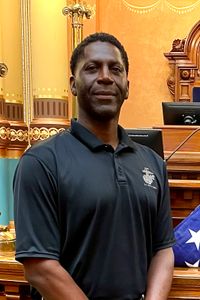
Chedrick Greene
Senate · District 35
|
D |
Strong +
|
100% | 17 |
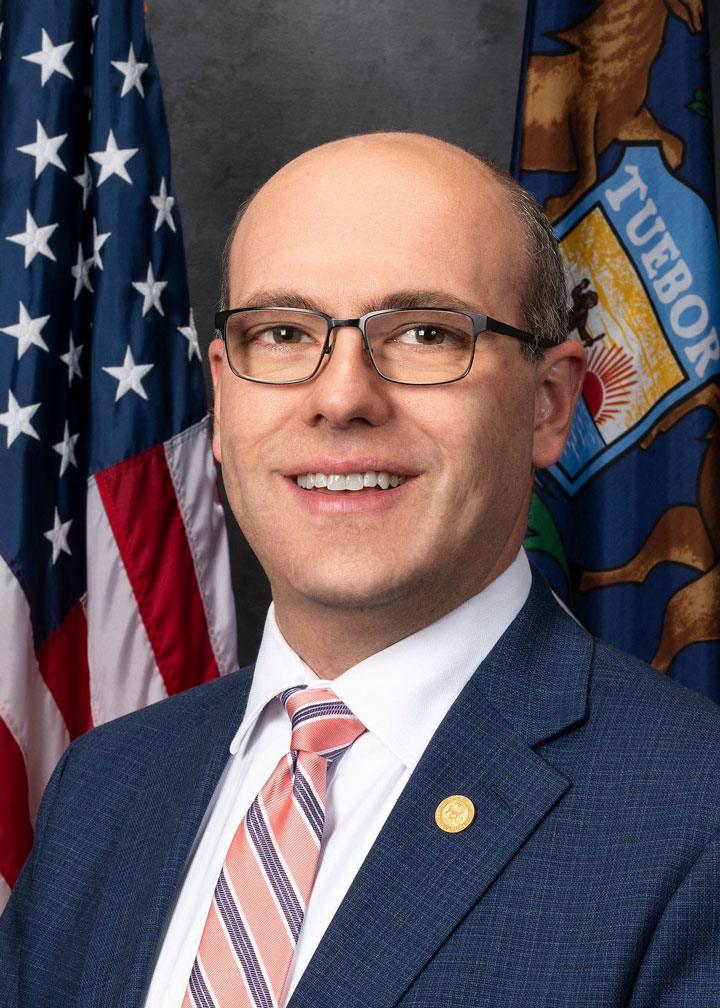
John Cherry
Senate · District 27
|
D |
Strong +
|
97% | 95 |
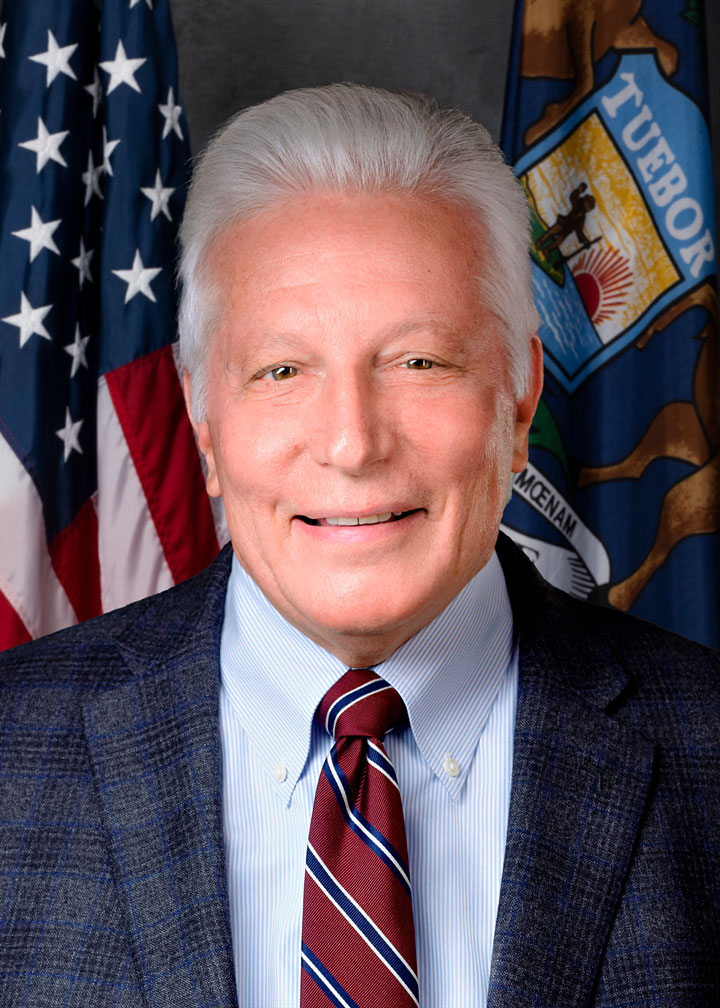
Paul Wojno
Senate · District 10
|
D |
Strong +
|
97% | 94 |
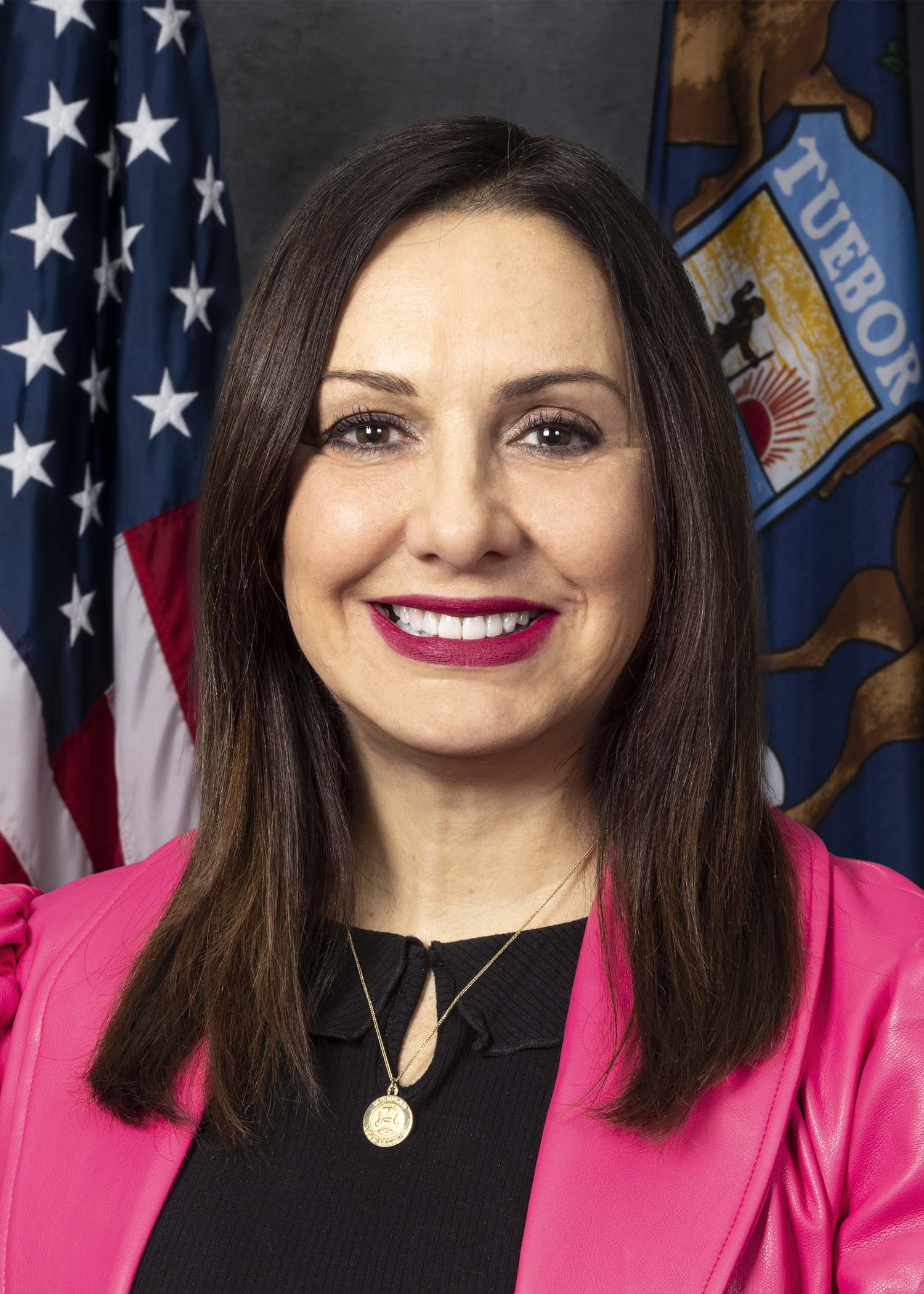
Dayna Polehanki
Senate · District 5
|
D |
Strong +
|
97% | 93 |

Sarah Anthony
Senate · District 21
|
D |
Strong +
|
95% | 97 |
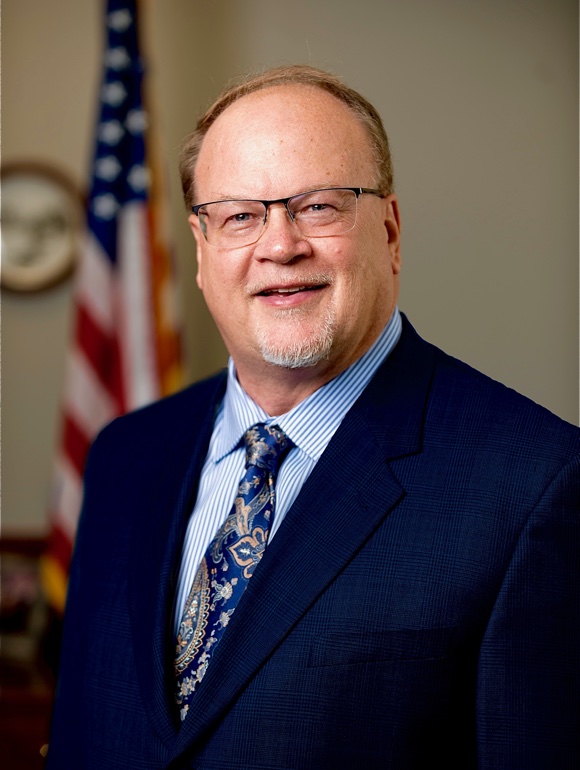
Jim Runestad
Senate · District 23
|
R |
Strong −
|
6% | 73 |
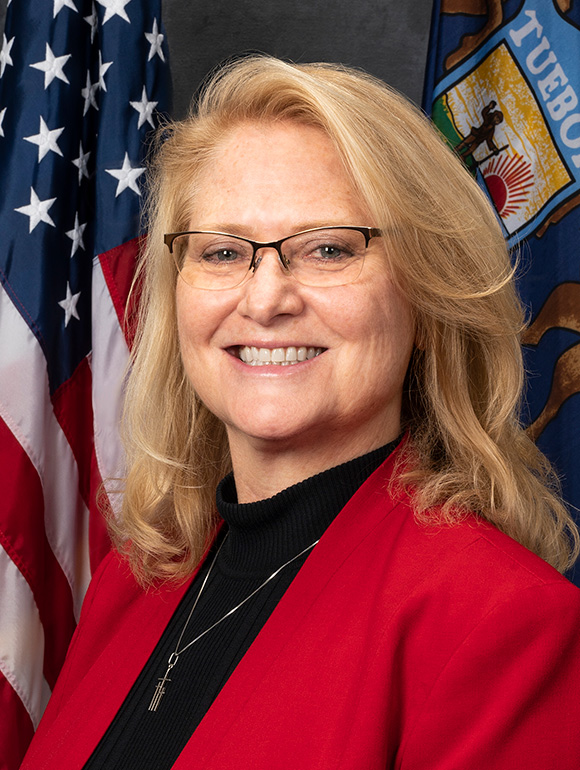
Lana Theis
Senate · District 22
|
R |
Strong −
|
10% | 94 |

Thomas Albert
Senate · District 18
|
R |
Strong −
|
11% | 95 |

Jonathan Lindsey
Senate · District 17
|
R |
Strong −
|
11% | 94 |

Michele Hoitenga
Senate · District 36
|
R |
Strong −
|
11% | 92 |
Showing 371–380 of 561
bills
All budget & taxes bills
HB 4183: Transportation: motor fuel tax; motor fuel tax; increase and expand applicability. Amends sec. 8 of 2000 PA 403 (MCL 207.1008). TIE BAR WITH: HB 4180'25, HB 4181'25, HB 4182'25, SB 0578'25
Topics
✓ Budget & TaxesSupports Budget & TaxesIncreases motor fuel tax rate and expands tax base, directly raising state revenue for budget funding. Explicit tax increase advances fiscal management.
✓ TransportationSupports TransportationIncreases motor fuel tax to fund transportation infrastructure projects, directly advancing road maintenance and development through enhanced revenue streams.
Sub-Topics
Transportation Funding
HB 4951: Marihuana: taxation; comprehensive road funding act; create. Creates new act. TIE BAR WITH: HB 4183'25, HB 4961'25, HB 4968'25
Topics
✓ Budget & TaxesSupports Budget & TaxesCreates new marijuana tax to fund road infrastructure, dedicating revenue to specific public service (transportation) rather than general funds, advancing fiscal management for essential programs.
✓ TransportationSupports TransportationBill creates dedicated marijuana tax revenue stream specifically for road infrastructure projects, directly funding highway construction/repair per its title and summary.
SB 115: Individual income tax: credit; credit for certain investments in Michigan businesses; provide for. Amends 1967 PA 281 (MCL 206.1 - 206.847) by adding sec. 281.
SB 125: Individual income tax: deductions; deduct overtime compensation from taxable income; provide for. Amends secs. 30, 701, 703 & 711 of 1967 PA 281 (MCL 206.30 et seq.).
Sub-Topics
Income Tax
SB 183: Appropriations: supplemental; supplemental appropriations in the school aid act for fiscal year 2025-2026; provide for. Amends secs. 11, 17b, 201, 206, 236 & 241 of 1979 PA 94 (MCL 388.1611 et seq.).
Topics
✓ Budget & TaxesSupports Budget & TaxesAllocates $17.77B for public schools and $462M for community colleges, increasing state funding for essential education services through supplemental appropriations.
✓ EducationSupports EducationAllocates $17.77B for public schools and $462M for community colleges, directly increasing education funding per School Aid Act amendments.
SB 187: Property: conveyance of state property; transfer of certain state-owned property in Tuscola County; provide for. Creates land transfer act.
Topics
✓ Budget & TaxesSupports Budget & TaxesBill requires airport to pay half mineral revenue to state general fund, directly increasing budget revenue without tax changes.
✓ TransportationSupports TransportationTransfers state land to airport authority for public transportation infrastructure, enabling airport development per strict public use requirements.
Sub-Topics
Airports
SB 196: Property tax: exemptions; exemption for disabled veterans; modify. Amends sec. 7b of 1893 PA 206 (MCL 211.7b).
Topics
✓ Budget & TaxesSupports Budget & TaxesExpands property tax exemption for disabled veterans' surviving spouses, providing tax relief and reducing taxable income for eligible groups.
✓ VeteransSupports VeteransExpands property tax exemption to include surviving spouses of disabled veterans, increasing financial benefits without restrictions or limitations.
SB 179: Appropriations: department of labor and economic opportunity; appropriations for fiscal year 2025-2026; provide for. Creates appropriation act.
Topics
✓ Budget & TaxesSupports Budget & TaxesAllocates $2.1B for labor/employment programs including workforce development and rehabilitation services, directly funding essential state services per appropriations act.
✓ Labor & EmploymentSupports Labor & EmploymentAllocates $2.1B for workforce programs including 'Going Pro' ($54.7M) and rehabilitation services, directly funding labor/employment initiatives.
SB 163: Appropriations: capital outlay; appropriations for fiscal year 2025-2026; provide for. Creates appropriation act.
Topics
✓ Budget & TaxesSupports Budget & TaxesBill allocates $2.4B from state general fund for capital projects including universities, directly funding state budget priorities per appropriations framework.
✓ EducationSupports EducationAllocates $2.4B for capital projects at public universities and community colleges, directly funding educational infrastructure and access.