Issue · Budget & Taxes

Budget & Taxes (Sales Tax)

Every budget & taxes bill, vote, and legislator stance in Michigan, automatically classified by Maddy, our AI policy reader.

Total bills
43
2025-2026 Regular Session
Top supporter
Peter Herzberg
100% support rate
Top opponent
Carrie Rheingans
25% support rate
Ranked legislators
10
5 support · 5 oppose
Key legislators

Who's moving sales tax in Michigan

Legislators moving sales tax in Michigan
Legislator Party Stance Support rate Votes
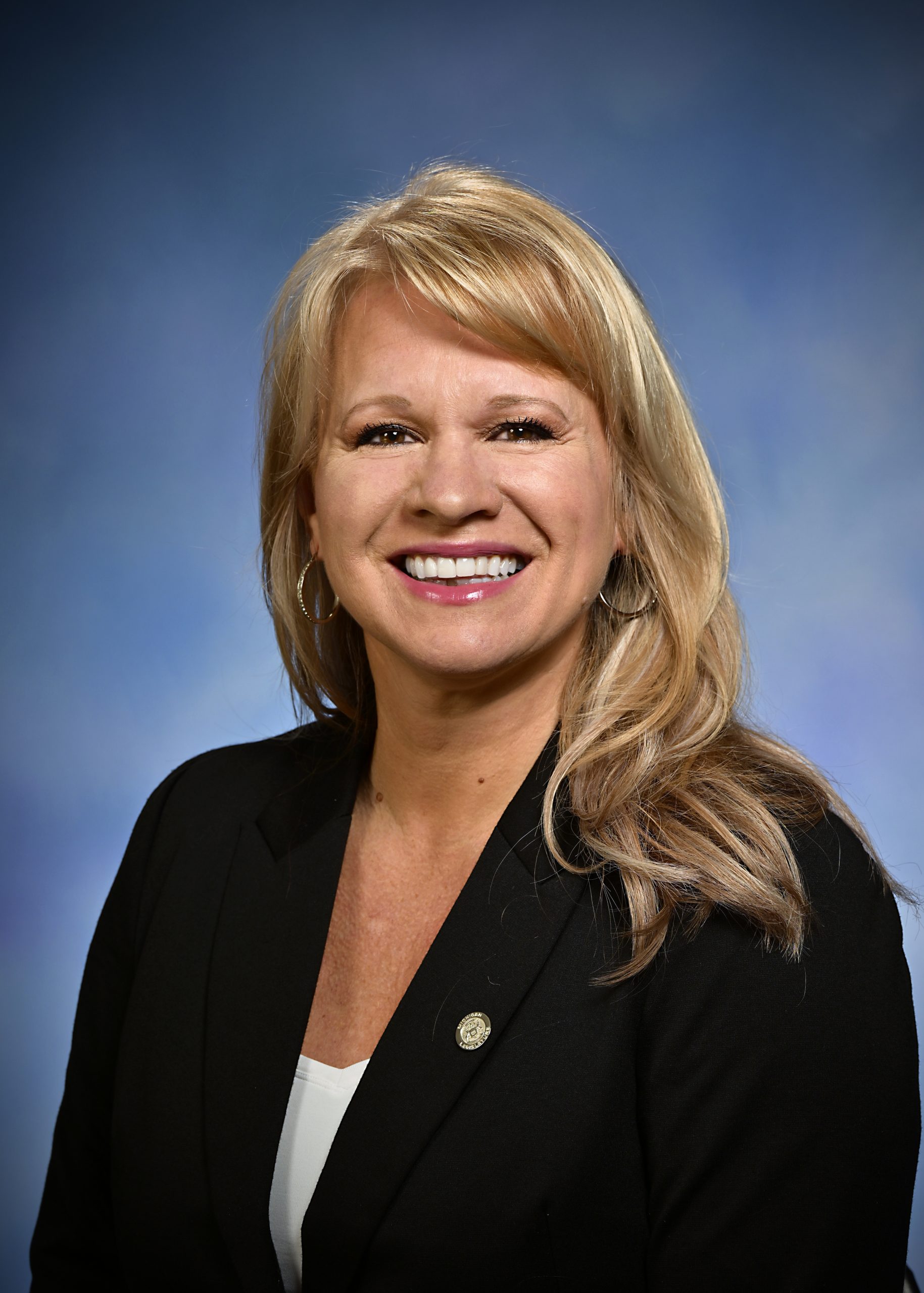
Peter Herzberg
Peter Herzberg House · District 25
D
Strong +
100% 3
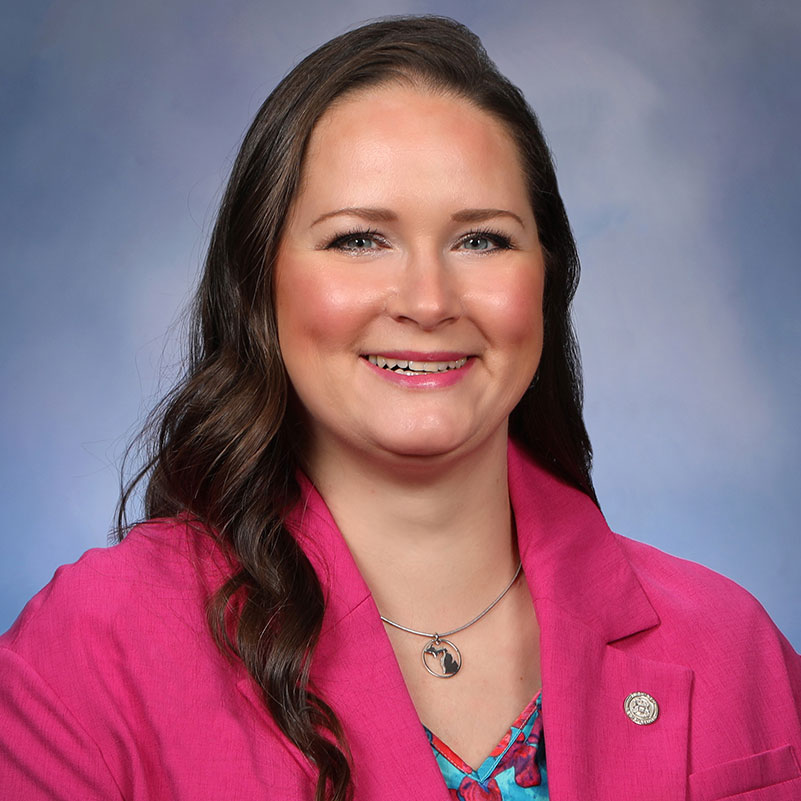
Alicia St. Germaine
Alicia St. Germaine House · District 62
R
Support
75% 8
Angela Rigas
Angela Rigas House · District 79
R
Support
75% 8
Ann Bollin
Ann Bollin House · District 49
R
Support
75% 8
Bill Schuette
Bill Schuette House · District 95
R
Support
75% 8
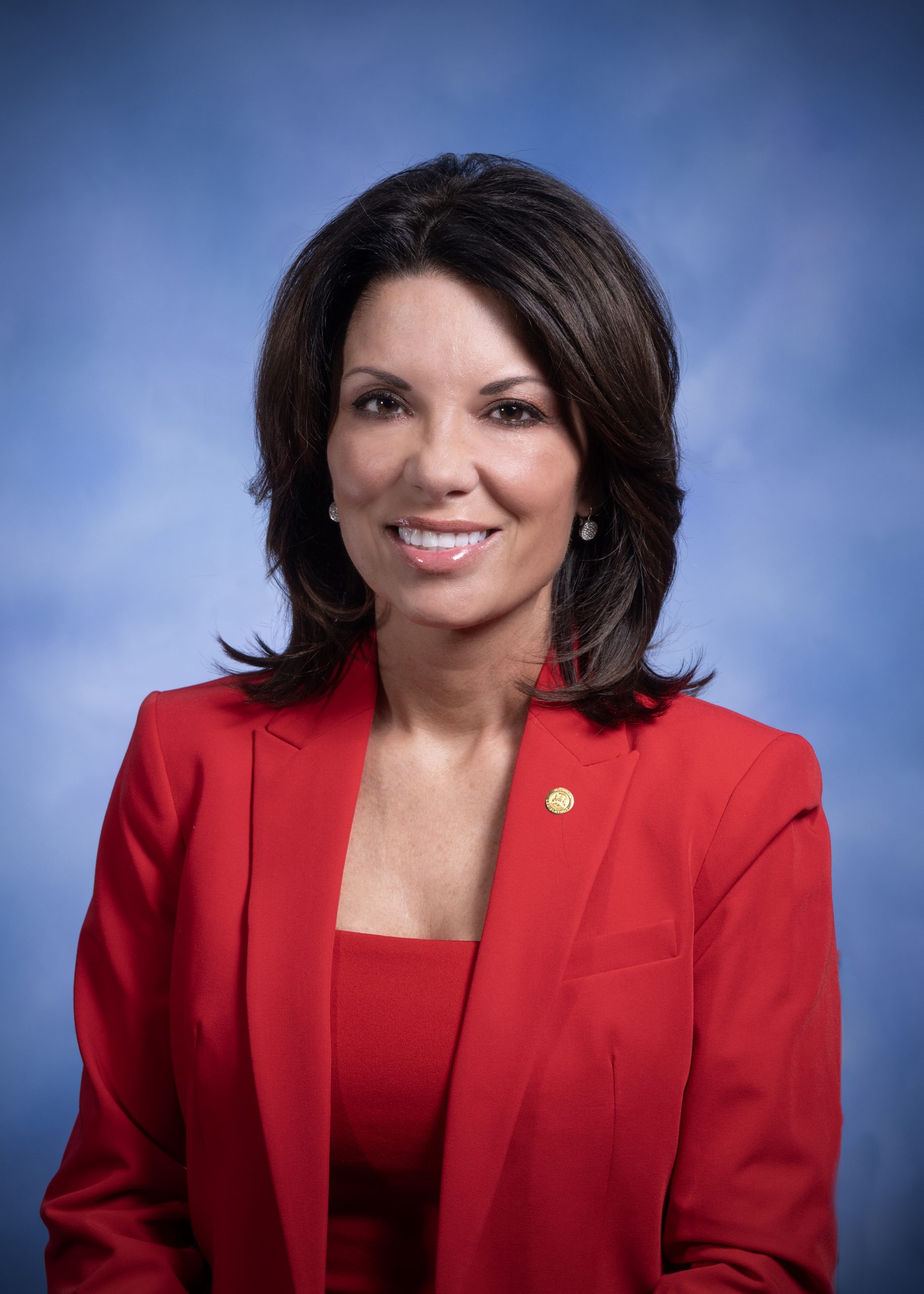
Carrie Rheingans
Carrie Rheingans House · District 47
D
Oppose
25% 8
Dylan Wegela
Dylan Wegela House · District 26
D
Oppose
38% 8
Emily Dievendorf
Emily Dievendorf House · District 77
D
Oppose
38% 8
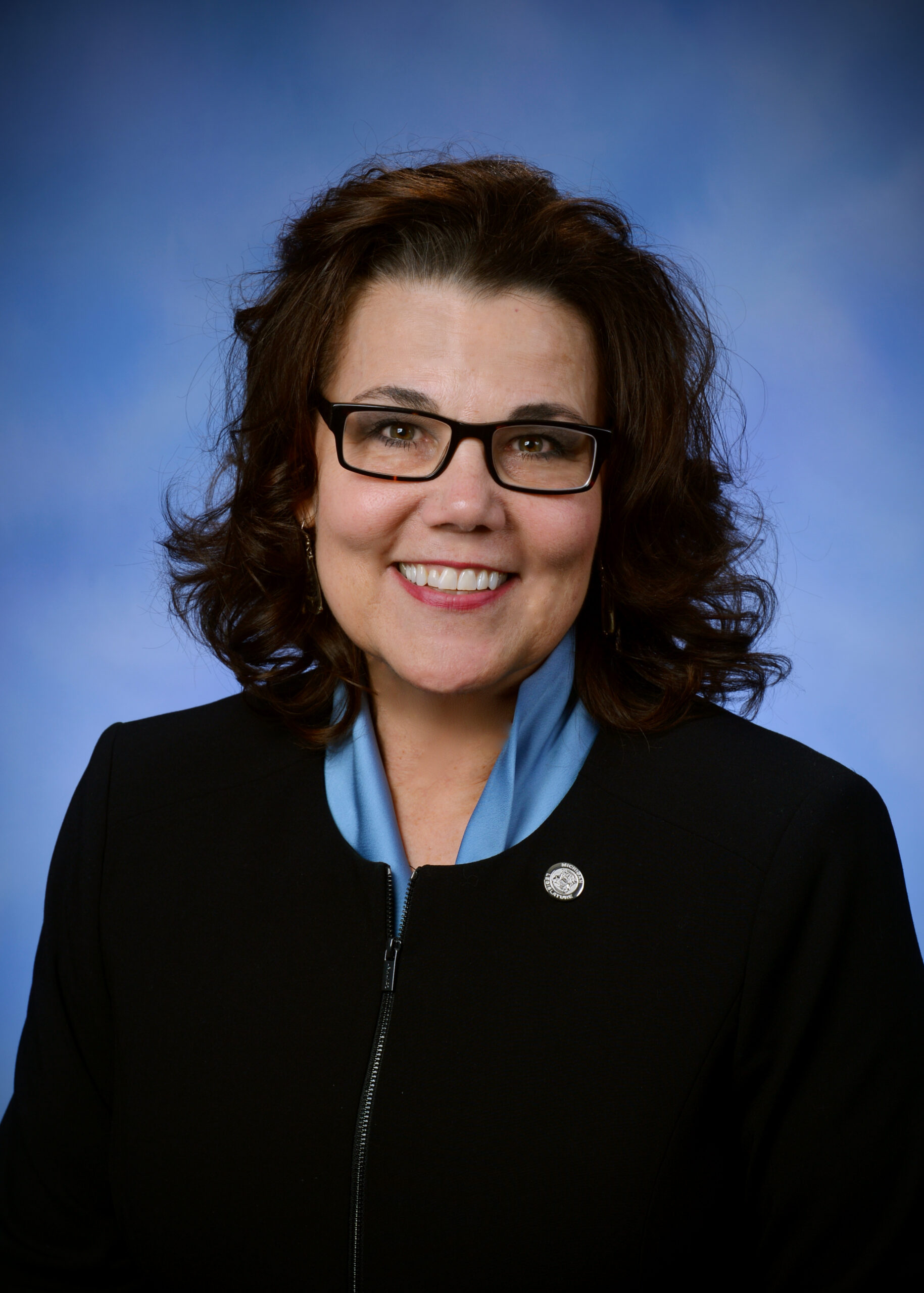
Julie Brixie
Julie Brixie House · District 73
D
Oppose
38% 8
Steve Carra
Steve Carra House · District 36
R
Oppose
38% 8
Showing 11–20 of 43 bills

All budget & taxes bills

in committee · Michigan · Senate May 14, 2026

SB 972: Use tax: exemptions; offset of the trade in value of personal electronics; provide for. Amends sec. 2 of 1937 PA 94 (MCL 205.92).

Senate Bill 972 amends Michigan's Use Tax Act to clarify how trade-in values for personal electronics are treated when calculating tax liability. The bill updates existing provisions that currently limit the credit for trade-ins on motor vehicles and watercraft, extending similar rules to personal electronics. Specifically, it ensures that the value of an old electronic device traded in for a new one can be subtracted from the purchase price of the new item, reducing the amount of use tax owed. This change directly affects consumers purchasing new electronics and dealers selling them in Michigan.
Sub-Topics Procurement Sales Tax
in committee · Michigan · Senate May 20, 2026

SB 983: Taxation: hotel-motel; excise tax on rentals of accommodations; allow local units of government to levy. Creates new act.

This bill allows Michigan cities, villages, and townships to vote on whether to impose a 3% excise tax on short-term rentals of accommodations to guests staying fewer than 30 days. If approved by local voters, the tax would be collected by either the property owner or online booking platforms and administered by the state Department of Treasury. The law requires local governments to publicly report how much tax revenue they collect and how they spend it, while also establishing a process for the state to withhold funds if a locality fails to submit these reports.
Sub-Topics Revenue Sales Tax
in committee · Michigan · House Apr 15, 2026

HB 5785: Use tax: exemptions; compliance with enterprise data center construction labor act; require. Amends sec. 4cc of 1937 PA 94 (MCL 205.94cc). TIE BAR WITH: HB 5786'26, HB 5787'26

This bill amends Michigan's Use Tax Act to provide ongoing tax exemptions for data center equipment used by qualified data centers and enterprise data centers. To maintain these exemptions, the state requires facilities to meet specific job creation thresholds and submit annual reports to the Michigan Strategic Fund regarding employment, investments, and compliance with green building standards. The legislation also establishes a formal certification process where the Michigan Strategic Fund reviews applications and issues certificates to facilities that meet the criteria for enterprise data centers.
Sub-Topics Sales Tax
in committee · Michigan · Senate Apr 15, 2026

SB 896: Use tax: exemptions; exemption for certain generators; provide for. Amends sec. 4 of 1937 PA 94 (MCL 205.94).

Senate Bill 896 amends Michigan's Use Tax Act to clarify and update the list of property and services exempt from the tax. The bill directly affects various businesses and organizations, including vehicle dealers, agricultural enterprises, schools, and religious institutions, by specifying conditions under which they do not owe the tax. Key provisions include maintaining exemptions for items purchased for resale, property used in farming and livestock operations, and goods brought into the state by nonresidents for temporary use. Additionally, the bill sets specific limits on the number of demonstration vehicles new car dealers can purchase tax-free based on their annual sales volume.
Sub-Topics Sales Tax State Budget
passed both · Michigan · House Apr 16, 2026

HB 5688: Sales tax: other; deduction or exclusion and audit of qualified delivery network sales; provide for. Amends sec. 2d of 1933 PA 167 (MCL 205.52d).

This bill modifies Michigan's sales tax rules for online marketplace facilitators, requiring them to collect and remit sales tax on all taxable sales made through their platforms regardless of whether the individual sellers have a physical presence in the state. It establishes that marketplace facilitators are responsible for auditing only their own facilitated sales unless sellers fail to provide necessary information, while also protecting facilitators from liability when sellers provide incorrect data or pay the tax directly. The legislation creates a special provision for delivery network companies, allowing them to deduct or exclude from their tax liability the sales tax they paid to marketplace sellers for qualified delivery services, such as those performed by couriers using personal vehicles or walking for distances under 75 miles.
in committee · Michigan · House Mar 10, 2026

HB 5479: Streamline sales and use tax: other; taxation of electric fuel under the IFTA; provide for. Amends sec. 4gg of 1933 PA 167 (MCL 205.54gg).

HB 5479 exempts "eligible fuel" (including motor fuel, alternative fuel, and leaded racing fuel) from Michigan's general sales tax starting January 1, 2026. This directly affects businesses selling these fuels and consumers purchasing them for eligible uses, excluding specific cases like aviation fuel or fuel used for heating. The bill explicitly excludes electric fuel used in vehicles if it's already taxed under the Motor Carrier Fuel Tax Act or Motor Fuel Tax Act. It defines key terms like "electric fuel" and "eligible fuel" based on existing tax acts, with no exemption for fuel used in aircraft or residential/commercial heating systems.
Sub-Topics Procurement Sales Tax
in committee · Michigan · House Mar 3, 2026

HB 5496: Taxation: excise taxes; excise tax on the purchase of wireless communications devices; require for purchases of devices primarily for the use of individuals under 18 years of age. Creates new act.

HB 5496 imposes a 32% excise tax on the purchase price of wireless communications devices (like smartphones) sold primarily for use by individuals under 18 years old, effective January 1, 2026. The tax is collected at the point of sale by retailers, similar to other state taxes, and applies only to devices that support internet, apps, or multimedia - excluding basic telephones. All tax revenue flows into a new "Children's Mental Health and Safety Fund" in the state treasury, which must be used exclusively for mental health and safety programs for children as defined by existing law. The fund’s money remains available annually and cannot be redirected to the general state budget.
in committee · Michigan · House Dec 18, 2025

HB 5397: Use tax: exemptions; data center exemption; eliminate. Amends sec. 21 of 1937 PA 94 (MCL 205.111) & repeals sec. 4cc of 1937 PA 94 (MCL 205.94cc).

HB 5397 eliminates a tax exemption for data center equipment under Michigan's Use Tax Act. It repeals Section 4cc, which previously allowed data center businesses to claim an exemption from use tax on equipment purchases. This change means data center operators will now pay the standard use tax on qualifying equipment instead of claiming the exemption. The bill directly affects data center businesses that previously utilized this tax exemption.
in committee · Michigan · House Mar 10, 2026

HB 5433: Use tax: definitions; definition of qualified commercial motor vehicle; modify. Amends secs. 2 & 4a of 1937 PA 94 (MCL 205.92 & 205.94a). TIE BAR WITH: HB 5434'25, HB 5435'25

HB 5433 modifies Michigan's use tax law to clarify how trade-in values for vehicles affect taxable purchases. It specifically updates Section 2(f)(xii) to set annual limits on credit for traded-in motor vehicles: $2,000 through 2018, then increasing by $500 yearly to $5,000 starting January 1, 2019. This directly affects businesses and individuals buying new or used vehicles who trade in older models, as it caps the amount subtracted from the purchase price for tax calculation purposes. The bill ensures consistent application of these limits for both new and used vehicle transactions, without changing the overall tax rate.
Sub-Topics Sales Tax
in committee · Michigan · House Dec 18, 2025

HB 5396: Sales tax: exemptions; data center exemption; eliminate. Amends sec. 25 of 1933 PA 167 (MCL 205.75) & repeals sec. 4ee of 1933 PA 167 (MCL 205.54ee).

HB 5396 eliminates a sales tax exemption for data center equipment in Michigan. The bill repeals Section 4ee of the General Sales Tax Act (MCL 205.54ee), which previously allowed data centers to avoid paying the standard 4% sales tax on equipment purchases. This change directly affects data center businesses operating in Michigan, requiring them to pay sales tax on qualifying equipment starting when the bill takes effect. The policy change removes a specific tax break, aligning data center equipment purchases with standard sales tax rules.
Showing 11 to 20 of 43 bills
Previous 1 2 3 5 Next