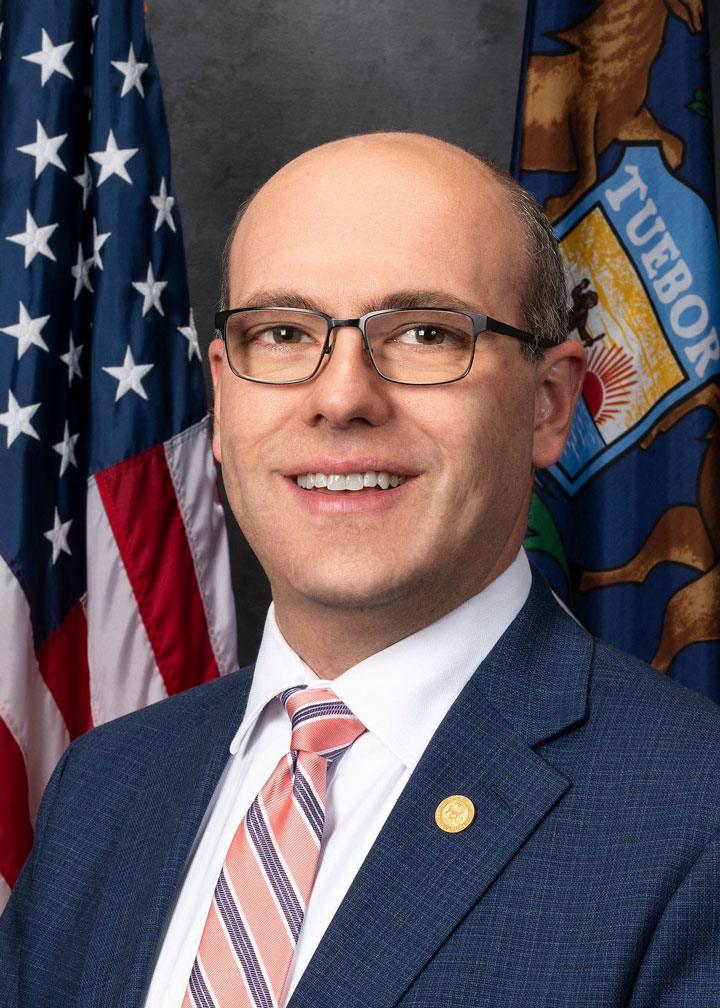
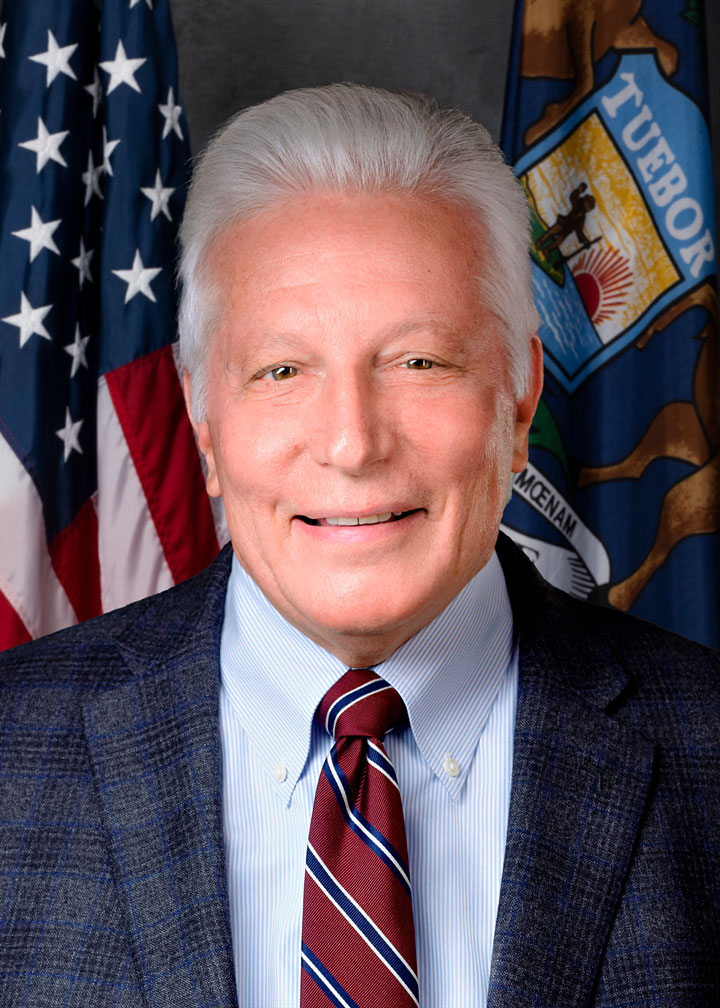
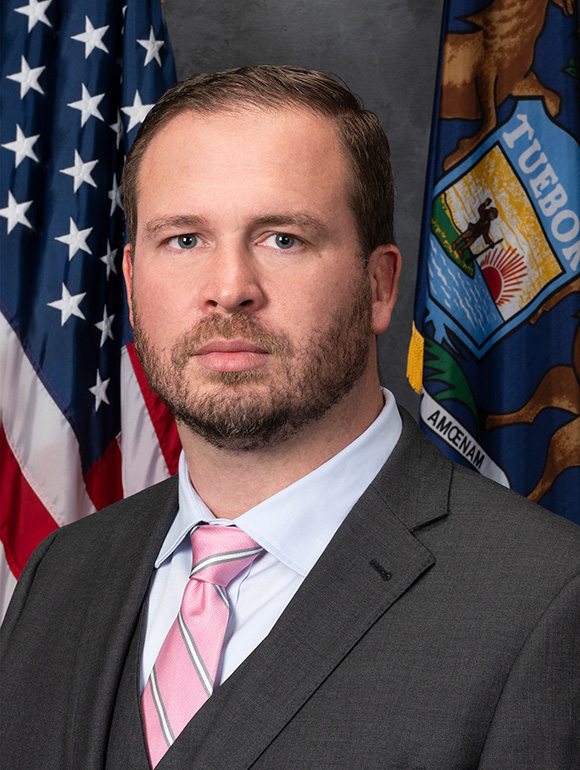
SB 699 increases the annual cap on administrative spending from $1.4 million to $1.7 million for managing Michigan's Agriculture Preservation Fund. This fund supports farmland protection programs, directly affecting the Michigan Department of Agriculture and Rural Development (as fund administrator), local governments receiving grants, and farmers seeking land preservation. The bill specifies that after covering administrative costs ($1.7M max annually) and local government grants, any remaining funds over $5 million can be used to purchase farmland development rights or conservation easements. These changes clarify how fund money is allocated, ensuring resources directly support farmland preservation efforts under existing state policy.
SB 596 creates a formal process for state agencies to request and monitor legislatively directed spending items within the state budget. It requires agencies to submit such requests through a defined procedure and track how funds are used, affecting state departments and legislators who direct funding. The bill amends Michigan's state finance law (MCL 18.1101-18.1594) to establish this requirement. The bill was approved by the governor and became law on November 18, 2025.
SB 182 is a supplemental appropriations bill that allocates additional state funding for multiple departments and branches during fiscal year 2025-2026. It directly affects state agencies by providing them with specific budget allocations to cover operational costs and programs beyond initial appropriations. The bill's key mechanism is the formal authorization of these supplemental funds through a dedicated appropriation act, ensuring state agencies have the necessary resources to function throughout the fiscal year. This bill does not create new policies or impact specific public groups, but rather provides the financial framework for existing state operations.
SB 277 redirects a portion of Michigan's sales tax revenue to the state's Game and Fish Protection Account. It amends existing law (MCL 205.75) to require that specific sales tax funds be deposited directly into this dedicated account instead of general state funds. This ensures consistent, dedicated funding for wildlife conservation and management programs, including habitat protection and fishery restoration. The bill affects state wildlife management efforts by providing a reliable revenue stream without creating new taxes.
SB 541 creates the Michigan National Guard member benefit fund in the state treasury to support existing benefit programs for National Guard members. The fund receives deposits from any source, earns interest through state treasurer investments, and retains all money year-to-year without lapsing to the general fund. The Department of Military and Veterans Affairs administers the fund and can only use its money to implement the Michigan National Guard tuition assistance program (2014 PA 259) and the Michigan National Guard child care assistance act. This bill directly affects Michigan National Guard members by ensuring dedicated funding for their tuition and child care benefits through these established programs.
SB 382 creates the Michigan Achievement Scholarship Act, providing last-dollar financial aid to Michigan residents attending eligible community colleges, public universities, or private nonprofit institutions. The scholarship covers remaining tuition and fees after other gift aid (like Pell Grants) is applied, based on a student's financial need (SAI of $30,000 or less). It directly affects low-to-moderate income students who meet eligibility criteria, including filing the Free Application for Federal Student Aid. The program aims to make higher education more affordable by reducing out-of-pocket costs for qualifying students at participating Michigan institutions.
SB 419 increases the annual disbursement rate from Michigan's Children's Trust Fund from 4.25% to 5% of the fund's 12-quarter rolling average (starting in 2018 if the fund meets a $23.5 million minimum), and raises it further to 8% beginning in 2026. The fund, which supports child abuse prevention and related programs using state tax revenues and other sources, uses a rolling average to smooth out annual fluctuations in value. This change directly affects the amount of money available for children's services each year. The bill does not alter the fund's funding sources or disbursement authorization process.
SB 435 adjusts Michigan's home heating credit for individual income tax by changing the inflation index used to calculate the credit amount. Instead of using the standard U.S. Consumer Price Index (CPI), the bill requires the Detroit Consumer Price Index (CPI) to determine annual credit adjustments. This change directly affects Michigan residents who claim the home heating credit, particularly those in Detroit or areas with cost-of-living patterns reflected in the Detroit CPI. The policy modifies how the credit amount is updated each year to better align with local heating cost trends, rather than national averages.
SB 235 creates a corporate income tax credit for businesses that use sustainable aviation fuel (SAF). It directly affects airlines and fuel producers in Michigan by reducing their state tax liability based on the volume of SAF they utilize. The bill amends Michigan's tax code (MCL 206.1-206.847) to add a specific provision allowing corporations to claim this credit. This provides a financial incentive for adopting SAF, aiming to support cleaner aviation fuel adoption without specifying environmental outcomes.
SB 236 creates a tax credit program in Michigan to incentivize the production of sustainable aviation fuel (SAF). It directly affects fuel producers who meet specific environmental standards, requiring SAF to achieve at least a 50% reduction in life-cycle greenhouse gas emissions compared to petroleum fuel and comply with ASTM aviation fuel standards. Producers must apply to the Department of Environment, Great Lakes, and Energy for certification of their tax credit, providing evidence of domestic production, emissions reduction, and proof that the fuel was used in aircraft departing Michigan airports. The program administers tax credits through a state-certified process, aiming to boost local SAF production while meeting federal environmental benchmarks.