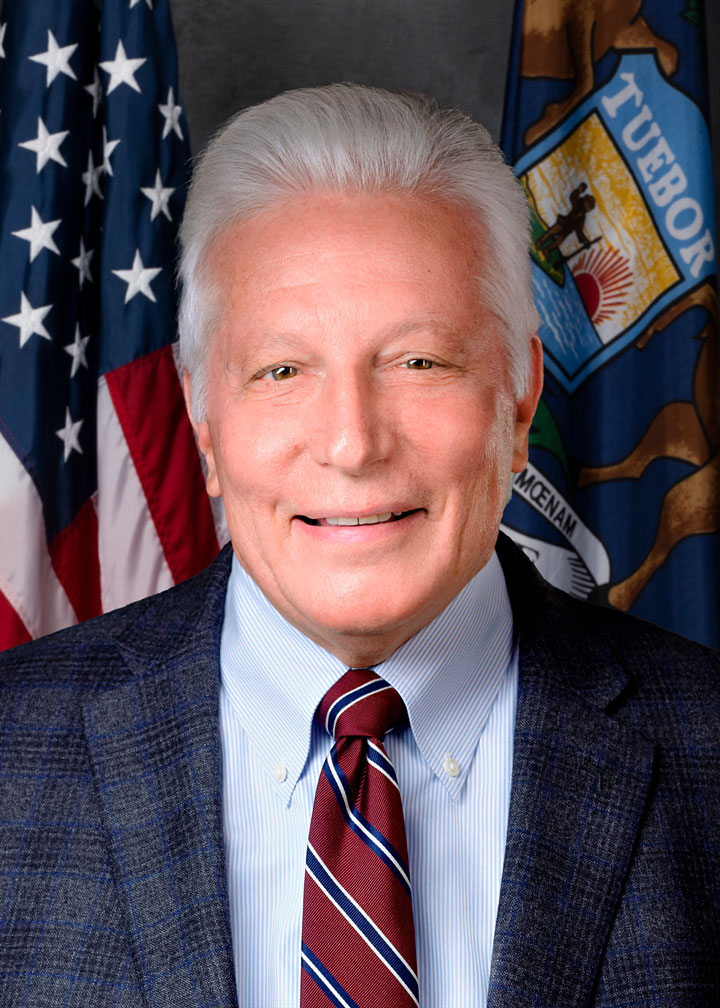
SB 966 amends the State Housing Development Authority Act of 1966 to add new powers for the State Housing Development Authority in Michigan. The bill allows the authority to establish and collect fees for its publications, loans, and related services, and to use the resulting income for its corporate purposes. These funds are not considered interest and can be used to support the authority's housing initiatives, provided they are not pledged for bond repayment. The legislation directly affects the State Housing Development Authority by expanding its financial and operational capabilities to better serve housing needs across Michigan.
This bill allows foreign insurance companies operating in Michigan to reduce their retaliatory tax liability by using housing opportunity tax credits. It directly affects alien or foreign insurers by permitting them to subtract the value of these credits from the taxes they must pay to the state treasurer. The key mechanism requires insurers to attach proof of their credit eligibility to their annual tax return to claim this subtraction. This change only applies to tax years beginning on or after January 1, 2027, and the bill will not take effect unless two companion bills are also passed.
HB 5806 creates a new state tax credit for individuals and businesses that invest in affordable housing projects in Michigan starting in 2027. The bill allows these investors to reduce their income tax by a specific amount tied to their share of the project, provided they receive approval from the State Housing Development Authority. It also establishes rules for how investors must report the credit, handle situations where federal tax credits are lost, and carry forward any unused credit for up to 10 years.
SB 721 amends Michigan's Commercial Redevelopment Act to update property tax exemption rules for commercial facilities. It limits total exemption periods to 12 years (including extensions), requires local governments to document criteria for renewing exemptions, and extends the deadline for new exemptions from 2025 to 2035. The bill also allows the state treasurer to temporarily exclude up to half the education tax mills for qualifying facilities for up to 6 years to promote job growth, with a yearly cap of 45 such exclusions. Local governments must annually report on exemption impacts, including property values and job creation. This directly affects commercial businesses seeking tax benefits, local governments issuing exemptions, and state tax administration.
SB 106 creates a special vehicle registration plate in Michigan that supports animal welfare. Vehicle owners who purchase this plate will contribute funds to a dedicated "Protecting Michigan's Pets Fund," managed by the state treasurer. The fund receives all plate sale proceeds and disburses money quarterly to the Michigan Pet Alliance to support spay/neuter programs and care for homeless/abused animals in shelters. This bill directly affects plate buyers and provides a new funding source for animal welfare organizations.
HB 4805 increases the percentage of Michigan's Children's Trust Fund available for disbursement to child welfare programs. It changes the disbursement rate from 4.25% (2015-2017) to up to 5% starting in 2018 (if the fund's 12-quarter average reaches $23.5 million), and then to up to 8% beginning in fiscal year 2025. The bill uses a rolling average of the fund's value (including investment gains or losses) to determine annual disbursement amounts. This directly affects state funding for child abuse prevention and related services under the Child Abuse and Neglect Prevention Act.
SB 423 ends specific programs that helped homeowners pay overdue property taxes and avoid foreclosure. It directly affects property owners with delinquent taxes who previously could use these reduced payment options. The bill modifies existing law by setting expiration dates ("sunsetting") for these programs, meaning they will no longer be available after the specified dates. This change removes temporary relief measures, requiring affected homeowners to pay full delinquent taxes or face standard foreclosure processes.
This bill amends the State Housing Development Authority Act to expand the powers of Michigan's State Housing Development Authority. The key changes allow the authority to charge fees for its loans and publications, save usable housing from demolition by funding rehabilitation costs, and make mortgage loans to subsequent property buyers even if they do not meet standard income limits. These provisions directly affect the authority's operations and the people seeking affordable housing assistance in the state.
HB 4539 amends Michigan's housing law to clarify definitions and strengthen funding rules for affordable housing projects. It defines key terms like "extremely low-income" (≤30% of area median income) and "downtown area" (50+ years of commercial use with mixed buildings), directly affecting low- and middle-income households in these zones. The bill requires 30% of funds to support projects for extremely low-income households (including homeless and supportive housing) and mandates that 20% of units in all funded projects serve households earning ≤60% of area median income. It also requires the housing authority to create a public input process for its biennial funding plan, prioritizing areas with high poverty, disability needs, and housing distress.
This bill repeals Michigan's state real estate transfer tax, which previously applied to the sale of property. It includes a provision to ensure that any resulting loss in state revenue is compensated by transferring funds from the state general fund to the school aid fund. The law will only take effect if a separate companion bill, HB 5880, is also passed.