Issue · Transportation

Transportation

Every transportation bill, vote, and legislator stance in Massachusetts, automatically classified by Maddy, our AI policy reader.

Total bills
63
119th Congress
Top supporter
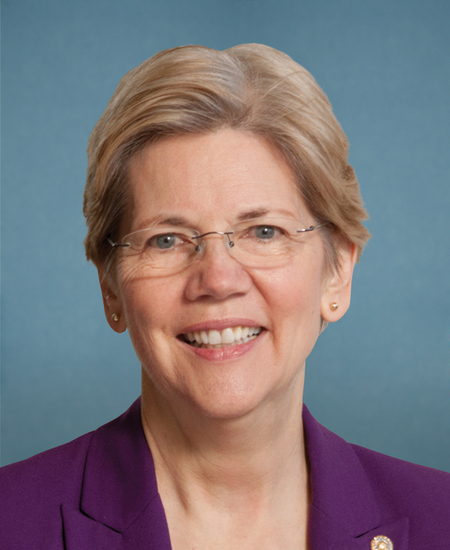
Elizabeth Warren
67% support rate
Top opponent
James P. McGovern
25% support rate
Ranked legislators
6
5 support · 1 oppose
Key legislators

Who's moving transportation in Massachusetts

Legislators moving transportation in Massachusetts
Legislator Party Stance Support rate Votes
Elizabeth Warren
Elizabeth Warren Senate
D
Support
67% 153
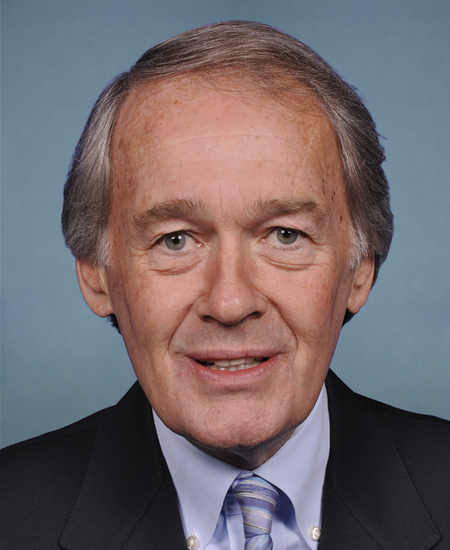
Edward J. Markey
Edward J. Markey Senate
D
Support
67% 153
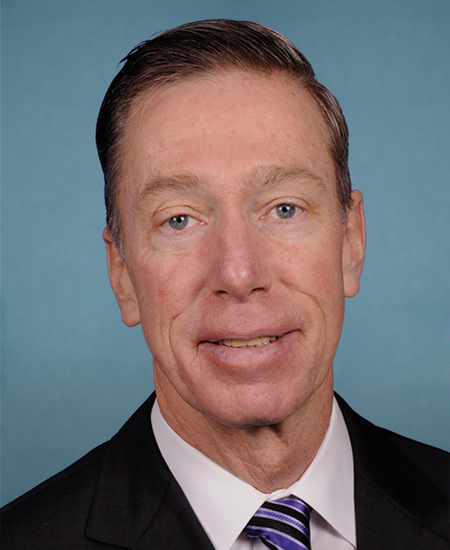
Stephen F. Lynch
Stephen F. Lynch House · District 8
D
Support
62% 120
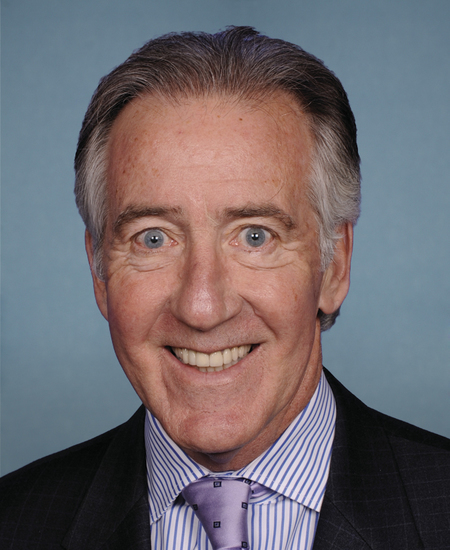
Richard E. Neal
Richard E. Neal House · District 1
D
Support
62% 120
Seth Moulton
Seth Moulton House · District 6
D
Mixed
58% 105
James P. McGovern
James P. McGovern House · District 2
D
Oppose
25% 116
Showing 1–10 of 63 bills

All transportation bills

in committee · United States · Senate Aug 6, 2026

S 5311: Cabin Air Safety Act of 2026

The Cabin Air Safety Act of 2026 mandates that commercial airlines install real-time air quality monitoring equipment on their aircraft to detect engine oil or hydraulic fluid fumes, while also requiring annual safety training for pilots, flight attendants, and mechanics. The bill establishes a standardized reporting system for these events, allowing the Federal Aviation Administration (FAA) to investigate incidents where medical attention is required and to share aggregated data with the public through a searchable website. Additionally, it requires aircraft manufacturers to include procedures for responding to air quality alerts in their flight manuals and directs the FAA to continue researching technologies that prevent cabin air contamination.
Sub-Topics Airports
in committee · United States · House Aug 6, 2026

HR 10059: Building Safer Streets Act

The Building Safer Streets Act directs the Secretary of Transportation and the Federal Highway Administration to update traffic control manuals and design standards to better prioritize safety for pedestrians, cyclists, and other vulnerable road users. Key provisions require the agency to publish detailed justifications for design prohibitions, clarify how all transportation modes must be considered in planning, and issue new guidelines for transit stops and connected networks. The bill also mandates a study on how current rules limit engineers from choosing safer street designs and requires states to update their own highway manuals within two years. Additionally, the legislation sets aside at least 10 percent of certain grant funds specifically for small communities with projects under one million dollars and increases the federal funding share for these smaller initiatives.
in committee · United States · Senate Jun 24, 2026

S 4936: STOP Frontovers Act of 2026

The STOP Frontovers Act of 2026 directs the Secretary of Transportation to create a new federal safety standard for motor vehicles designed to prevent low-speed accidents where a driver strikes a person or object in their blind spot while moving forward. To achieve this, the bill mandates that vehicles be equipped with advanced detection systems capable of identifying pedestrians, cyclists, and other vulnerable road users, alongside driver alerts and active braking or steering interventions. Manufacturers would be required to install these crash avoidance technologies in new passenger vehicles within two years of the final rule taking effect, with a potential staggered rollout based on vehicle type. Additionally, the law requires the National Highway Traffic Safety Administration to update its data tracking systems to specifically record and report incidents classified as frontovers and backovers.
in committee · United States · House Jun 24, 2026

HR 9250: Great American Outdoors Act 250

This bill redesignates the existing National Parks and Public Land Legacy Restoration Fund as the America's Legacy Restoration Fund to address deferred maintenance on federal lands. It directs revenue from recreation fees and a portion of energy development income into the fund, which must be used primarily for repairing critical infrastructure like roads, trails, and buildings managed by agencies such as the National Park Service and the Forest Service. The legislation establishes strict rules requiring that most funds go toward non-transportation projects, mandates transparency through public dashboards tracking project status, and sets aside a small percentage for matching private donations. Additionally, the bill increases entrance fees for foreign visitors to ensure they contribute to the fund, while prohibiting the use of these specific funds for land acquisition or employee bonuses.
in committee · United States · House Jun 9, 2026

HR 9213: American Electric Rail Mapping Act of 2026

The American Electric Rail Mapping Act of 2026 directs the Federal Railroad Administration to conduct a study on the feasibility of electrifying passenger and freight rail lines across the United States. This study will identify existing and planned rail corridors, determine how current systems are powered, and assess which segments could adopt clean rail technologies. The Administrator must consult with railroad operators, state and local governments, and other relevant entities while using existing resources to minimize costs. The agency is required to submit an initial progress report to Congress within one year of enactment, followed by a final report on the study's results a year later.
in committee · United States · House May 26, 2026

HR 9036: American High-Speed Rail Act

The American High-Speed Rail Act expands federal funding and streamlines regulations to support the development of high-speed and higher-speed rail projects across the United States. It authorizes billions of dollars in grants for corridor planning, technology improvements, and construction, while allowing the federal government to cover up to 100% of project costs under specific conditions. The bill also introduces new provisions to facilitate land acquisition, prioritize border projects, and extend labor protections to workers involved in federally funded rail infrastructure. Additionally, the legislation defines higher-speed rail as trains traveling between 110 and 186 miles per hour and includes tax incentives for rail carriers that sell or lease property to support these projects.
Sub-Topics Rail
in committee · United States · House May 19, 2026

HR 8894: Passenger Rail Crew Protection Act

The Passenger Rail Crew Protection Act makes it a federal crime to assault or interfere with employees working on or around passenger trains, including engineers, conductors, and station staff. This law prohibits actions that hinder crew members from doing their jobs or reduce their ability to perform safety-sensitive duties. Penalties range from fines and up to six months in jail for minor offenses to up to 20 years in prison if the assault involves a weapon, intent to commit murder, or results in serious bodily injury. The bill directly affects anyone onboard a train or at a station serving passenger rail lines by establishing specific legal consequences for such interference.
in committee · United States · House Apr 30, 2026

HR 8600: To amend the Internal Revenue Code of 1986 to temporarily suspend certain fuel excise taxes for fuel separated during periods in which the national average price of gasoline exceeds $3.99 per gallon, and to prohibit certain credits or deductions for oil and gas companies during such periods.

This bill temporarily suspends a portion of the federal fuel excise tax when the national average price of gasoline rises above $3.99 per gallon. Instead of reducing government revenue, the money saved from this tax cut is transferred back into the Highway Trust Fund and the Leaking Underground Storage Tank Trust Fund. Additionally, the legislation disallows certain tax credits and deductions for oil and gas companies for costs incurred or production occurring during these high-price months. These changes would only take effect for taxable years beginning after December 31, 2025.
in committee · United States · Senate May 21, 2026

SRES 753: A resolution expressing the sense of the Senate to reduce traffic fatalities to zero by 2050.

This Senate resolution expresses the Senate's commitment to reducing traffic fatalities to zero by the year 2050. It calls on Congress and the Department of Transportation to collaborate on implementing proven safety measures, such as improving data collection, prioritizing countermeasures, and addressing disparities in transportation safety. The document also encourages the use of the term "crash" instead of "accident" to better describe traffic incidents. As a non-binding expression of sense, the bill does not create new laws but serves as a formal statement of policy goals for federal agencies.
in committee · United States · House Apr 16, 2026

HR 8362: Transit Workforce Development Act

The Transit Workforce Development Act expands how federal grants for buses and bus facilities can be used for workforce training. It increases the portion of these grants that transit agencies can dedicate to workforce development from 5% to 10% of the allocated funds. Additionally, the bill broadens the types of training eligible for these funds, allowing them to cover all buses, related equipment, and facility construction,
Showing 1 to 10 of 63 bills
1 2 3 7 Next