Issue · Environment

Environment

Every environment bill, vote, and legislator stance in Massachusetts, automatically classified by Maddy, our AI policy reader.

Total bills
974
194th Legislature (2025-2026)
Top supporter
Alyson Sullivan-Almeida
100% support rate
Top opponent
Bridget Plouffe
0% support rate
Ranked legislators
10
5 support · 5 oppose
Key legislators

Who's moving environment in Massachusetts

Legislators moving environment in Massachusetts
Legislator Party Stance Support rate Decisive votes
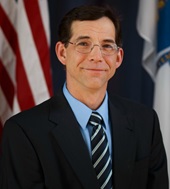
Alyson Sullivan-Almeida
Alyson Sullivan-Almeida House · District 7th Plymouth
R
Strong +
100% 16
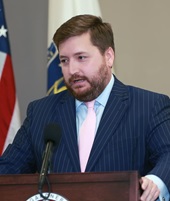
Dave Muradian
Dave Muradian House · District 9th Worcester
R
Strong +
100% 16
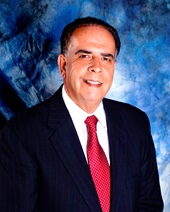
Dave Vieira
Dave Vieira House · District 3rd Barnstable
R
Strong +
100% 16
Donnie Berthiaume
Donnie Berthiaume House · District 5th Worcester
R
Strong +
100% 16
Mike Soter
Mike Soter House · District 8th Worcester
R
Strong +
100% 16
Bridget Plouffe
Bridget Plouffe House · District 9th Plymouth
D
Strong −
0% 16
Jon Zlotnik
Jon Zlotnik House · District 2nd Worcester
D
Strong −
0% 16
Margaret Scarsdale
Margaret Scarsdale House · District 1st Middlesex
D
Strong −
0% 16
Ted Philips
Ted Philips House · District 8th Norfolk
D
Strong −
0% 16
Alan Silvia
Alan Silvia House · District 7th Bristol
D
Strong −
0% 15
Showing 491–500 of 974 bills

All environment bills

introduced · Massachusetts · House

HD 5355: An Act relative to reducing the use of toxic pesticides in the town of Eastham

This bill (HD 5355) allows the town of Eastham to create its own local rules restricting the use of toxic pesticides within its boundaries, overriding conflicting state laws like Chapter 132B. It directly affects Eastham residents, property owners, and businesses that use pesticides in the town. The key provision is granting Eastham the authority to adopt by-laws regulating pesticide use, without needing state approval. The law takes effect immediately upon passage.
passed · Massachusetts · Senate Nov 24, 2025

S 603: An Act to establish a blue economy workforce pipeline

By Mr. Fernandes, a petition (accompanied by bill, Senate, No. 603) of Dylan A. Fernandes for legislation to establish a blue economy workforce pipeline. Environment and Natural Resources.
passed · Massachusetts · House Mar 30, 2026

H 1072: An Act of improving environmental justice in Black communities

H 1072 would require the Executive Office of Environmental Affairs to conduct environmental audits in Black communities designated as environmental justice neighborhoods. These audits would assess pollution levels and potential health risks in these areas, focusing on neighborhoods facing disproportionate environmental burdens. The resulting data would help identify specific environmental disparities and inform future state actions to address them.
introduced · Massachusetts · House

HD 3159: An Act ban the use of tire-derived materials in playgrounds and playing fields in Massachusetts

HD 3159 bans the use of tire-derived materials (like crumb rubber, shredded tires, and rubberized asphalt) in all new playgrounds and playing fields across Massachusetts. It directly affects schools, parks, childcare centers, and sports facilities by prohibiting these materials in construction or maintenance of play surfaces. The law includes an exception for existing surfaces installed before the bill's effective date. The Department of Environmental Protection enforces the ban, while the Department of Public Health will advise on safe alternative surfacing. This is a direct policy change affecting all public and private play areas in the state.
Sub-Topics Recycling
introduced · Massachusetts · Senate

SD 1896: An Act to ensure adequate and affordable energy

This bill requires Massachusetts to create a comprehensive energy plan every three years, starting in 2026, to project electricity, transportation, and heating needs while prioritizing conservation and efficiency to meet the state's 2030 and 2040 climate goals. It also mandates that state energy agencies monitor supply and costs, and if a shortage or consumer cost increase exceeding 10% is forecast within a year, they must develop a public contingency plan. The plan must detail the cause, proposed actions, responsible agencies, and timeline, and include at least one public hearing and input from relevant state entities. This ensures proactive planning for energy reliability and affordability, with all plans made publicly available.
introduced · Massachusetts · Senate

SD 1867: Resolve establishing the roadside litter prevention and cleanup task force

Massachusetts bill SD 1867 establishes a state task force within the Department of Transportation to address roadside litter. The task force, led by the Transportation Secretary and including tourism, public safety, environmental, and cleanup organization representatives, will create a statewide anti-littering campaign and analyze annual cleanup costs, funding sources, and high-impact areas. It must also evaluate current litter enforcement, fines, and recommend funding needs for cleanup and enforcement by December 2026. The report will be submitted to the governor and relevant legislative committees, focusing on concrete policy changes for highway litter management.
Sub-Topics Recycling
introduced · Massachusetts · Senate

SD 1327: An Act aligning the commonwealth's transportation plans with its mandates and goals for reducing emissions and vehicle miles traveled

Massachusetts bill SD 1327 requires transportation agencies to align regional and statewide transportation plans with the state's emissions and vehicle miles traveled (VMT) reduction goals. It mandates that all transportation plans include 20-year emissions and VMT impact assessments, and that projects must incorporate localized "mitigation measures" (like transit expansions, active transportation infrastructure, or land-use changes) prioritized for communities directly affected by the project. The bill directly affects metropolitan planning organizations and state transportation agencies, requiring them to demonstrate compliance with existing emissions sublimits and VMT reduction targets set under Chapter 21N. These targets, established by the Secretary of Transportation, must be integrated into all transportation planning documents and public hearings.
introduced · Massachusetts · Senate

SD 837: An Act supporting climate progress through sustainably developed offshore wind

This bill establishes an advisory council of wildlife experts and tribal representatives to guide offshore wind development in Massachusetts, focusing on protecting species like North Atlantic right whales and coastal habitats. It creates new support programs for communities hosting offshore wind projects, giving them priority access to state funding for infrastructure, housing, and economic development. The bill also mandates a special commission to study the offshore wind supply chain, workforce needs, and economic opportunities, requiring recommendations on equity and environmental justice. Additionally, it amends existing laws to strengthen wildlife monitoring requirements and expand incentives for communities hosting clean energy facilities.
introduced · Massachusetts · House

HD 2204: An Act relative to forest protection

This bill creates a new "Reserves Scientific Advisory Council" to guide Massachusetts' forest reserve system. The eight-member council, including experts from environmental organizations and universities, will oversee reserve management, recommend new acquisitions, and ensure minimal human intervention in reserves. It requires public hearings for major changes and mandates that management plans for all reserves include public input and protect natural resources. The bill directly affects how state forests and protected lands are managed across Massachusetts, particularly within the urban parks district areas defined in the law.
Sub-Topics Forestry
introduced · Massachusetts · House

HD 1477: An Act relative to increased protection of wildlife management areas

This bill requires Massachusetts to designate at least 30% of its Wildlife Management Area lands as "Reserves" by January 1, 2030, maintaining this percentage as new lands are acquired. Reserves must be selected based on ecological criteria like old-growth forests, contiguous habitats, wetlands, and carbon storage capacity, and will be managed to preserve natural conditions with minimal human intervention. A new Scientific Advisory Council of eight environmental experts will oversee Reserve designations, submit biennial reports to the governor, and advise on management, while prohibiting new commercial infrastructure like solar farms, pipelines, or cell towers in Reserves (except for limited public facility upgrades with minimal environmental impact). The bill defines Reserves as protected areas for scientific research, habitat conservation, and carbon storage, banning resource extraction except for specific management needs like erosion control or invasive species removal.
Sub-Topics Wildlife
Showing 491 to 500 of 974 bills
Previous 1 49 50 51 98 Next