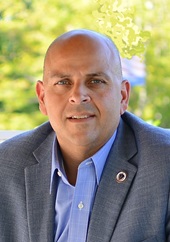
By Mr. Fernandes, a petition (accompanied by bill, Senate, No. 2280) of Dylan A. Fernandes for legislation to establish a body politic and corporate to be known as the Massachusetts clean energy technology center. Telecommunications, Utilities and Energy.
This bill establishes the Agriculture and Fishery Vulnerability Preparedness Grant Fund to provide financial support to Massachusetts farms and fisheries for climate adaptation. The fund, administered by the energy and environmental affairs secretary, will award grants for climate-resilient practices like renewable energy upgrades, infrastructure improvements, and data monitoring to help these sectors prepare for climate impacts. Grants must be used for specific climate adaptation activities, including controlled climate growing, energy efficiency, and nature-based solutions. The bill also requires quarterly reporting on grant recipients, funding amounts, and technical assistance provided to ensure transparency.
This bill transfers the Massachusetts Community Climate Bank's assets, staff, and ongoing projects to the Massachusetts Clean Energy Technology Center. The Center will now serve as the state's official Green Bank, responsible for financing clean energy projects across residential, municipal, small business, and commercial sectors. Key provisions include providing loans, grants, and investments to reduce greenhouse gases, with priority given to projects advancing climate goals, lowering emissions, and ensuring equitable access to clean energy. This directly affects residents, local governments, small businesses, and clean energy companies seeking financing for projects like solar installations, building decarbonization, and electric vehicle programs.
This bill redirects 10% of existing state funds to a new Disaster Relief and Resiliency Trust Fund (previously allocated to pension and retiree funds), specifically to support agricultural resilience. It creates a program compensating farmers for ecosystem services like carbon sequestration and water filtration, with payments tied to third-party verified outcomes. The bill prioritizes funding for regenerative farming practices, controlled-climate agriculture (e.g., greenhouses), renewable energy projects on farms (like agrivoltaics), urban agriculture development, and zero-interest loans for farmland preservation - especially for historically underserved farmers. These provisions directly affect Massachusetts farmers, agricultural businesses, and communities by providing new financial incentives and resources for sustainable operations.
This bill establishes an advisory council of wildlife experts and tribal representatives to guide offshore wind development in Massachusetts, focusing on protecting species like North Atlantic right whales and coastal habitats. It creates new support programs for communities hosting offshore wind projects, giving them priority access to state funding for infrastructure, housing, and economic development. The bill also mandates a special commission to study the offshore wind supply chain, workforce needs, and economic opportunities, requiring recommendations on equity and environmental justice. Additionally, it amends existing laws to strengthen wildlife monitoring requirements and expand incentives for communities hosting clean energy facilities.
By Representative Frost of Auburn, a petition (accompanied by bill, House, No. 3489) of Paul K. Frost for legislation to authorize cities and towns to borrow from the Commonwealth without interest for green energy programs for such municipalities. Telecommunications, Utilities and Energy.
This bill establishes the GREEN Initiative to retrofit low and moderate-income housing in qualifying Massachusetts municipalities (including "gateway cities" and smaller qualifying towns) to be highly energy efficient, use clean heating/cooking technologies (like heat pumps and induction stoves), and prioritize on-site renewable energy where possible. It creates a dedicated GREEN Initiative Account funded by utility companies (up to $30 million annually) to cover retrofit costs, including pre-work upgrades, and provides financial incentives for sponsors like municipalities or nonprofits. The initiative requires tenant protections against rent increases tied to retrofits through "tenant-owner weatherization agreements" and prioritizes buildings with six or fewer housing units. Sponsors must collect data, share project results publicly in multiple languages, and meet goals for minority/women-owned contractor participation.
This bill amends Massachusetts' offshore wind energy law to increase the required renewable energy capacity from 5,600 to 8,000 megawatts. It moves the deadline for utilities to meet this target from June 30, 2027, to March 31, 2027, while requiring them to secure long-term contracts for 5,600 MW by December 31, 2026. The bill also shortens a planning timeframe from 24 to 18 months and removes a qualifying phrase about applicability. These changes directly affect utility companies responsible for implementing Massachusetts' offshore wind energy goals.
HD 4260 requires Massachusetts retail electric suppliers to provide at least 34.75% of their electricity sales from designated "Class II" renewable sources starting January 1, 2009. It directly affects all retail electric suppliers serving customers in Massachusetts. Key provisions define Class II sources (including solar, wind, existing hydro under strict limits, landfill gas, and specific biofuels), mandate that 34.75% of revenue from renewable energy certificates must fund approved recycling programs, and impose specific restrictions on hydroelectric facilities (e.g., no new dams, max 7.5 MW, existing facilities only). The bill aims to increase renewable energy usage through these specific sourcing requirements and funding mechanisms.
This bill requires utility companies to pay customers for unused energy credits accumulated from renewable energy systems. Specifically, customers who have carried forward credits for six months or more must receive payment, and utilities must pay any outstanding credits within 30 days when a customer closes their account. Payments are clarified to not count as rebates or renewable energy credits. The law also mandates the state to create annual payment schedules and electronic payment options for customers.