

Issue · Education
Education
Every education bill, vote, and legislator stance in Massachusetts, automatically classified by Maddy, our AI policy reader.
Total bills
1,059
194th Legislature (2025-2026)
Top supporter
Steve Xiarhos
100% support rate
Top opponent
Mark Sylvia
9% support rate
Ranked legislators
10
5 support · 5 oppose
Key legislators
Who's moving education in Massachusetts
| Legislator | Party | Stance | Support rate | Votes |
|---|---|---|---|---|
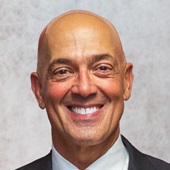
Steve Xiarhos
House · District 5th Barnstable
|
R |
Strong +
|
100% | 34 |

Dave Vieira
House · District 3rd Barnstable
|
R |
Strong +
|
94% | 36 |
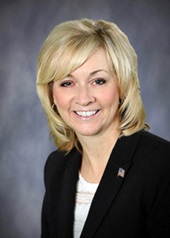
Kim Ferguson
House · District 1st Worcester
|
R |
Strong +
|
94% | 36 |

Dave Muradian
House · District 9th Worcester
|
R |
Strong +
|
94% | 36 |

Mike Chaisson
House · District 1st Bristol
|
R |
Strong +
|
94% | 34 |

Mark Sylvia
House · District 10th Bristol
|
D |
Strong −
|
9% | 35 |

Estela Reyes
House · District 4th Essex
|
D |
Strong −
|
9% | 34 |
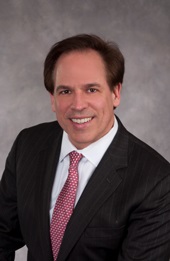
Dave Rogers
House · District 24th Middlesex
|
D |
Strong −
|
10% | 32 |

Dru Tarr
House · District 5th Essex
|
D |
Strong −
|
11% | 28 |

Alan Silvia
House · District 7th Bristol
|
D |
Strong −
|
11% | 36 |
Showing 881–890 of 1,059
bills
All education bills
H 586: An Act relative to type 1 diabetes informational materials for the parents and guardians of students
Topics
✓ EducationSupports EducationRequires schools to provide diabetes management materials, ensuring students with type 1 diabetes can safely attend and participate in education, directly supporting educational access.
✓ HealthcareSupports HealthcareRequires schools to provide diabetes management materials, improving student health access and safety per healthcare topic indicators.
Sub-Topics
Student Health
HD 90: An Act relative to equity and inclusion in education
Topics
✓ EducationSupports EducationMandates computer-adaptive assessments to track student mastery and personalize instruction, advancing educational effectiveness in K-12 schools.
✓ TechnologySupports TechnologyMandates computer-adaptive assessments for personalized learning, advancing educational technology use per bill's requirements
HD 93: An Act to prohibit age discrimination
Sub-Topics
K-12 Education
HD 131: An Act decriminalizing non-violent and verbal student misconduct
Topics
✓ Criminal JusticeSupports Criminal JusticeDecriminalizes non-violent student conduct in schools, reducing criminal justice system involvement for minor offenses and aligning with reform goals to limit over-criminalization.
✓ EducationSupports EducationDecriminalizes non-violent student conduct in schools, preventing criminal charges that disrupt education and reduce school-to-prison pipeline, supporting educational access for K-12 students.
Sub-Topics
School Safety
SD 163: An Act to promote alternative dispute resolution for students
SD 173: An Act to ensure the health and safety of the commonwealth’s students and educators
Topics
✓ EducationSupports EducationMandates ventilation standards and humidity controls in K-12 schools to protect health during pandemics, directly enhancing school infrastructure safety for students and educators.
✓ HealthcareSupports HealthcareMandates school ventilation standards to reduce airborne disease transmission during pandemics, directly supporting public health initiatives.
✓ Labor & EmploymentSupports Labor & EmploymentBill mandates ventilation standards to protect educators' workplace safety during pandemics, directly improving occupational health conditions for staff.
Sub-Topics
K-12 Education
HD 533: An Act to create and expand student pathways to success
Topics
✓ Budget & TaxesSupports Budget & TaxesBill allocates $1,000/student for high-demand certifications and $800 for regional programs, directly funding workforce development through state budget appropriations.
✓ EducationSupports EducationBill provides direct funding ($1,000/student for high-demand certs) to school districts for career-focused educational pathways, aligning with funding/support indicators for education.
✓ Labor & EmploymentSupports Labor & EmploymentFunds career certifications ($1,000/student) and creates workforce cabinet to align education with labor market needs, advancing employment standards.
HD 626: An Act teaching anti-racism in Massachusetts schools
Sub-Topics
Curriculum
SD 412: An Act to increase substance use prevention and awareness and reduce overdose abandonment
Topics
✓ EducationSupports EducationMandates schools to teach opioid risks and overdose reporting in curriculum, enhancing health education content per bill's requirements.
✓ HealthcareSupports HealthcareMandates school-based opioid education and health department collaboration to enhance public health prevention programs, directly advancing substance use prevention within healthcare policy.