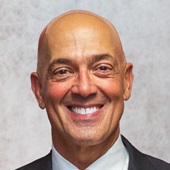
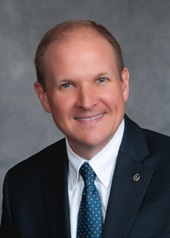
By Representative Ciccolo of Lexington, a petition (accompanied by bill, House, No. 3463) of Michelle L. Ciccolo for legislation to restore the clean environmental fund using revenue from unclaimed bottle deposits. Telecommunications, Utilities and Energy.
H 4420 creates the Agriculture and Fishery Vulnerability Preparedness Grant Fund to help Massachusetts farms and fisheries prepare for climate change impacts. The fund, managed by state agricultural and fishery departments, provides grants for climate resilience projects like energy-efficient farming, climate-resilient infrastructure, and data collection. It also supports technical assistance to help applicants plan and secure funding for these initiatives. Grants are awarded based on sector and regional needs, with quarterly reports tracking applicants, recipients, funding amounts, and administrative costs to state legislative committees. The fund permanently retains unspent money, ensuring ongoing support without annual re-appropriation.
By Mr. DiDomenico, a petition (accompanied by bill, Senate, No. 1956) of Sal N. DiDomenico relative to employer-provided childcare tax credits. Revenue.
HD 5191 establishes a real estate transfer fee for property sales in Arlington, applicable to transactions exceeding 50-150% of the state median home price. The fee, ranging from 0.05% to 2% of the sale price, would be paid by buyers, sellers, or both (determined by town meeting) and collected for the Municipal Affordable Housing Trust Fund. The bill includes exemptions for gifts between family members, government transfers, affordable housing units, and foreclosures, among others. Specific fee rates and thresholds will be set by Arlington's town meeting following select board recommendations. All revenue must fund affordable housing programs, with annual reports tracking fund usage and impact.
By Representative Flanagan of Dennis, a petition (accompanied by bill, House, No. 3967) of Christopher Richard Flanagan for legislation to further regulate surcharges on real property. Revenue.
By Representative Armini of Marblehead and Senator Crighton, a joint petition (accompanied by bill, House, No. 4444) of Jennifer Balinsky Armini and Brendan P. Crighton (by vote of the town) relative to a real property exemption for disabled persons in the town of Swampscott. Revenue. [Local Approval Received.]
HD 3564 allows assisted living programs to access Tax Increment Financing (TIF) through the Economic Assistance Coordinating Council. This change enables municipalities to offer targeted tax-based incentives to support job-creating development in assisted living facilities. The bill directly affects assisted living providers and local governments by expanding their funding options for facility development. It modifies existing eligibility rules to make these incentives available for assisted living programs, overriding prior restrictions.
HD 868 amends DUI-related sections of Massachusetts law to redirect portions of fines and assessments into the Head Injury Treatment Services (HITS) Trust Fund. It specifies that 75% of certain fines collected for DUI offenses (including operating under the influence of alcohol or drugs) and 100% of a new $250 assessment for DUI convictions must be deposited monthly into the HITS Trust Fund. This directly affects individuals convicted of DUI offenses, as their fines and assessments will fund head injury treatment services. The bill modifies existing provisions in Chapter 90 to increase the percentage of funds directed to the trust fund (from $50 to $75-$250 in specific contexts) and clarifies the deposit mechanism. The HITS Trust Fund supports services for individuals with head injuries, with no new offenses or penalties created.
By Representative Ayers of Quincy, a petition (accompanied by bill, House, No. 144) of Bruce J. Ayers relative to dedicating one-percent of the recreational marijuana excise to youth substance use prevention. Cannabis Policy.
By Mr. Tarr, a petition (accompanied by bill, Senate, No. 2085) of Bruce E. Tarr for legislation to improve long-term care staffing and dignity for caregivers through training, tuition reimbursements, tax credits and other programs. Revenue.