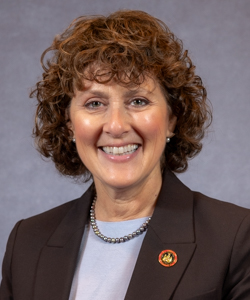
Key legislators
Who's moving transportation in Maryland
Showing 2 of 2
bills
All transportation bills
SB 649 requires owners of electric vehicle (EV) charging equipment to clearly display business contact information (name, address, phone number) near charging stations. It mandates that all EV electricity sold at retail must be measured and sold in kilowatt-hours, and sets an annual minimum price determined by the Comptroller. Station owners may also charge separate fees for related services, such as fixed fees or time-based charges. The bill directly affects EV charging station operators by standardizing measurement, pricing, and transparency requirements.
SB 149 establishes new rules for permits allowing heavy trucks to transport international cargo in sealed containers through Baltimore's Seagirt Marine Terminal corridor. It requires vehicles to weigh no more than 100,000 pounds, follow specific designated routes between the terminal and authorized destinations, travel only during permitted hours, and adhere to speed limits set by the Maryland Transportation Secretary. The bill directly affects trucking companies moving international freight by creating a formal "heavy weight port corridor" system with standardized weight, route, and timing requirements. The Secretary of Transportation will set permit fees, axle weight limits, and approved destinations through regulations, with the law taking effect June 1, 2026.