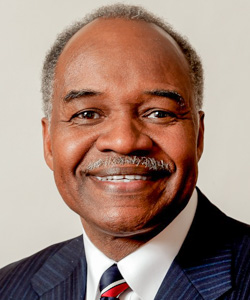
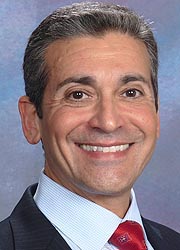
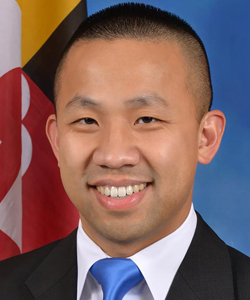
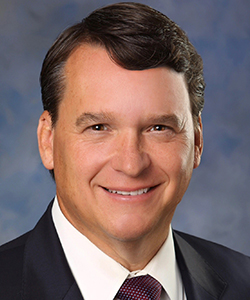
Key legislators
Who's moving transportation in Maryland
Showing 11–14 of 14
bills
All transportation bills
SB 389, the Maryland Transit and Housing Opportunity Act, automatically designates transit-oriented development (TOD) areas near rail stations with hourly weekday service (8 a.m.-6 p.m.) as enterprise zones - bypassing normal limits on such designations. It requires Maryland’s development corporation to prioritize loans for projects redeveloping state-owned land near rail stations and delays development taxes/fees for qualifying residential projects. The bill also adds project labor agreements as a scoring factor for TOD funding and adjusts local land-use regulations to support transit-focused development. Directly affecting developers, local governments, and communities near transit hubs, it aims to accelerate housing and infrastructure near rail corridors.
HB 437, the Transportation and Climate Alignment Act of 2026, requires Maryland’s Department of Transportation to conduct impact assessments for major highway expansion projects costing over $100 million. These assessments must evaluate greenhouse gas emissions and vehicle miles traveled, and the department must develop a multimodal transportation program (including transit, biking, and pedestrian improvements) to offset emissions from the project. The program must prioritize overburdened and underserved communities affected by the project, aiming for net-zero or negative greenhouse gas emissions when combined with the highway project. This applies to projects not already funded or reviewed before June 30, 2026, and affects highway planning decisions across the state.
HB 386 modifies Maryland's funding for the Washington Metropolitan Area Transit Authority (WMATA) by requiring the Governor to withhold 35% of annual grants under specific conditions. It directly affects WMATA and Maryland's budget process, mandating that the Governor withhold funds if WMATA fails to submit required reports (like safety assessments and financial data) or if it doesn't develop a rail signaling workforce transition plan by July 2028. The bill also requires WMATA to provide detailed annual reports on safety, ridership, finances, and capital investments to trigger full funding. If WMATA receives a modified audit opinion without a corrective plan, or misses the workforce plan deadline, the Governor must withhold the funds until these conditions are met.
HB 639, the Aviation Health and Safety Act, requires the Maryland Aviation Administration to create a form for passengers traveling involuntarily or in restraint (detained individuals). The form collects medical history (allergies, conditions, medications), legal details (attorney contact, case status), and minor/guardianship information. Flight crews must distribute and collect the forms, while fixed-base operators (FBOs) must verify forms are on board before providing services like fueling. The bill also prohibits refueling an aircraft while a restrained person is aboard and mandates specific services for restrained individuals when they disembark for refueling. These requirements apply to all aircraft carrying detained individuals within Maryland's jurisdiction.