







Issue · Technology

Technology

Every technology bill, vote, and legislator stance in Maryland, automatically classified by Maddy, our AI policy reader.

Total bills
22
2026 Regular Session
Top supporter
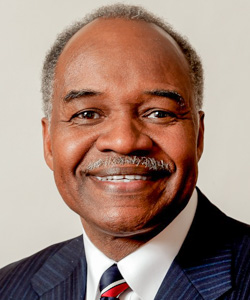
Ben Brooks
100% support rate
Top opponent
Jack Bailey
0% support rate
Ranked legislators
10
5 support · 5 oppose
Key legislators

Who's moving technology in Maryland

Legislators moving technology in Maryland
Legislator Party Stance Support rate Decisive votes
Ben Brooks
Ben Brooks Senate · District 10
D
Strong +
100% 6
Bill Ferguson
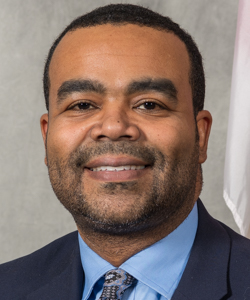
Bill Ferguson Senate · District 46
D
Strong +
100% 6
Brian Feldman
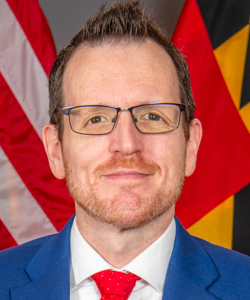
Brian Feldman Senate · District 15
D
Strong +
100% 6
Charles Sydnor
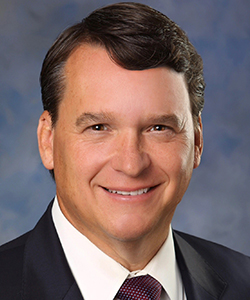
Charles Sydnor Senate · District 44
D
Strong +
100% 6
Cheryl Kagan
Cheryl Kagan Senate · District 17
D
Strong +
100% 6
Jack Bailey
Jack Bailey Senate · District 29
R
Strong −
0% 6
Paul Corderman
Paul Corderman Senate · District 2
R
Strong −
0% 6
Johnny Mautz
Johnny Mautz Senate · District 37
R
Strong −
0% 5
Justin Ready
Justin Ready Senate · District 5
R
Strong −
0% 5
Steve Hershey
Steve Hershey Senate · District 36
R
Strong −
0% 5
Showing 21–22 of 22 bills

All technology bills

passed · Maryland · House of Delegates Mar 24, 2026

HB 172: Municipalities - Enforcement Officers - Body-Worn Cameras

HB 172 allows Maryland municipalities to authorize code, parking, and traffic enforcement officers to use body-worn cameras during their duties. It expands the legal definition of "law enforcement officer" to include these municipal officers for camera use, requiring cities to adopt policies that align with state standards for body-worn camera use. The bill mandates that municipalities publishing such policies must follow guidelines similar to those for police body cameras, including notifying individuals when recording is occurring. The law takes effect October 1, 2026, and does not require municipalities to implement the policy.
passed · Maryland · House of Delegates Mar 23, 2026

HB 952: Consumer Protection - Companion Chatbots - Regulation

HB 952 requires operators of "companion chatbots" (AI systems designed to meet social needs through human-like interactions) to establish safety protocols, including preventing harmful content like self-harm discussions and sexually explicit material for minors. Operators must publish these protocols online, display clear warnings that chatbots are AI (not human), and provide crisis resource referrals for users expressing suicidal thoughts. The bill also mandates that operators of chatbots used by minors display mandatory break reminders after 3 hours of continuous use. It excludes business customer service bots, video game features, and basic voice assistants from these requirements.
Showing 21 to 22 of 22 bills