Issue · Housing

Housing (Community Development)

Every housing bill, vote, and legislator stance in Maryland, automatically classified by Maddy, our AI policy reader.

Total bills
14
2026 Regular Session
Top supporter
Courtney Watson
100% support rate
Top opponent
-
no data yet
Ranked legislators
5
5 support · 0 oppose
Key legislators

Who's moving community development in Maryland

Legislators moving community development in Maryland
Legislator Party Stance Support rate Votes
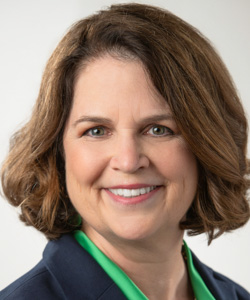
Courtney Watson
Courtney Watson House · District 9B
D
Strong +
100% 3
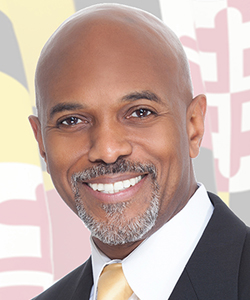
Guy Guzzone
Guy Guzzone Senate · District 13
D
Strong +
100% 3
Pam Guzzone
Pam Guzzone House · District 13
D
Strong +
100% 3
Ron Watson
Ron Watson Senate · District 23
D
Strong +
100% 3
Stephanie Smith
Stephanie Smith House · District 45
D
Strong +
100% 3
Showing 11–14 of 14 bills

All housing bills

in committee · Maryland · Senate Jan 27, 2026

SB 47: Housing and Community Development - Neighborhood Business Development Program - Local Approval Requirement

SB 47 repeals a requirement that political subdivisions (like cities or counties) must approve business development applications before the Maryland Department of Housing and Community Development can approve them. This change directly affects small businesses, nonprofits, and microenterprises seeking financial assistance under the Neighborhood Business Development Program. The key provision removes the need for local government approval, streamlining the application process by allowing the Department to approve projects if no response is received within 45 days. The bill does not alter funding amounts, eligibility criteria, or existing requirements for food desert projects or sustainable communities.
died · Maryland · House of Delegates Feb 17, 2026

HB 453: Real Property - Insufficient Condominium Reserve Account Grant Fund - Establishment

HB 453 establishes the Insufficient Condominium Reserve Account Grant Fund to provide grants to low-income condominium owners (defined as households earning ≤80% of area median income) who face increased assessments needed to meet reserve account requirements. The fund, which automatically earns interest and continues year-to-year, covers these costs directly and prioritizes applicants aged 65 or older. Condominium associations must report annual reserve balance updates to the Department of Housing and Community Development for grant recipients. This policy change directly affects qualifying condominium residents and associations in Maryland, ensuring financial assistance without replacing other funding sources.
in committee · Maryland · House of Delegates Jan 29, 2026

HB 5: Community Development - Maryland New Markets Development Program - Establishment

HB 5 establishes Maryland's New Markets Development Program, administered by the Department of Housing and Community Development. It allows businesses to claim tax credits against certain state insurance taxes (like premium receipts tax) for equity investments in qualifying community development entities that serve low-income areas. The credit equals 0% of the investment amount for the first three years and 12.5% for the next four years, applicable to investments made on or after July 1, 2026. This directly affects investors in qualifying community development entities and businesses meeting the "qualified active low-income community business" criteria, including those relocating operations to Maryland.
in committee · Maryland · House of Delegates Mar 3, 2026

HB 307: Community Reinvestment and Repair Fund - Alterations

HB 307 modifies the Community Reinvestment and Repair Fund by directing the Comptroller to administer the Fund under the Office of Social Equity’s guidance instead of previous oversight. It requires counties to consult with the Office when adjusting their fund distribution plans and clarifies that county expenditures from the Fund must be supplemental (not replacing) existing local programs. The bill also updates reporting requirements and reaffirms that Fund money cannot fund law enforcement or supplant other public services. These changes aim to align Fund administration with social equity goals while maintaining its focus on community-based initiatives like housing, job training, and behavioral health services in historically impacted areas.
Showing 11 to 14 of 14 bills