

Issue · Budget & Taxes
Budget & Taxes
Every budget & taxes bill, vote, and legislator stance in Maryland, automatically classified by Maddy, our AI policy reader.
Total bills
373
2026 Regular Session
Top supporter
Carl Jackson
92% support rate
Top opponent
Jason Gallion
27% support rate
Ranked legislators
10
5 support · 5 oppose
Key legislators
Who's moving budget & taxes in Maryland
| Legislator | Party | Stance | Support rate | Votes |
|---|---|---|---|---|
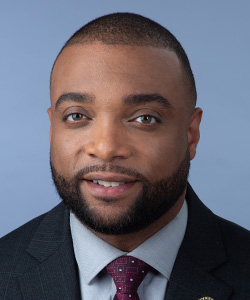
Carl Jackson
Senate · District 8
|
D |
Strong +
|
92% | 95 |
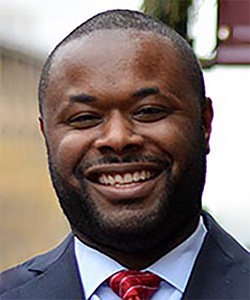
Cory McCray
Senate · District 45
|
D |
Strong +
|
89% | 97 |
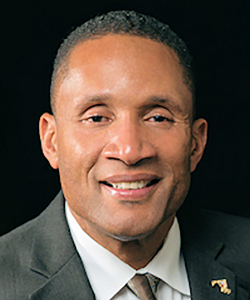
Arthur Ellis
Senate · District 28
|
D |
Strong +
|
88% | 60 |
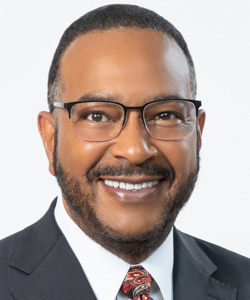
Anthony Muse
Senate · District 26
|
D |
Strong +
|
88% | 65 |

Alonzo Washington
Senate · District 22
|
D |
Strong +
|
87% | 90 |

Jason Gallion
Senate · District 35
|
R |
Oppose
|
27% | 103 |

Steve Hershey
Senate · District 36
|
R |
Oppose
|
30% | 96 |

Kathy Szeliga
House · District 7A
|
R |
Oppose
|
30% | 220 |
Matt Morgan
House · District 29A
|
R |
Oppose
|
30% | 218 |

Lauren Arikan
House · District 7B
|
R |
Oppose
|
30% | 214 |
Showing 121–130 of 373
bills
All budget & taxes bills
SB 833: Queen Anne's County - Authorized Uses of Revenues From Development Impact Fees - Expansion
Topics
✓ Budget & TaxesSupports Budget & TaxesExpands authorized use of development fees for public school facility replacement, supporting essential program funding through fiscal management.
✓ EducationSupports EducationAllows use of development fees for school facility replacement, directly funding K-12 infrastructure improvements per bill's explicit purpose.
HB 1611: Property Tax - Credit for Dwelling House of Disabled Veterans and Surviving Spouses - Income Eligibility
Topics
✓ Budget & TaxesSupports Budget & TaxesRepeals fixed income cap, expanding property tax credit eligibility for disabled veterans (50%+ service-connected), providing targeted tax relief and strengthening tax policy for vulnerable groups.
✓ HousingSupports HousingBill removes fixed income limit for property tax credit, allowing local adjustment to make housing more affordable for disabled veterans and surviving spouses.
✓ VeteransSupports VeteransRepeals fixed income cap for veterans' property tax credit, expanding eligibility by allowing local income criteria to increase access to benefits for disabled veterans and surviving spouses.
Sub-Topics
Property Tax
Tax Credits
Property Taxes
Veteran Benefits
Veteran Healthcare
Veteran Housing
SB 938: Community Development - Affordable Multifamily Rental Housing Stabilization Program - Establishment
Topics
✓ Budget & TaxesSupports Budget & TaxesAllocates $5M annual state funding for affordable housing repairs, directly advancing budget allocation for essential housing services.
✓ HousingSupports HousingEstablishes emergency repair funding for affordable multifamily housing serving low-income tenants, preserving existing affordable units through grants/loans.
SB 500: Washington County - Property Tax Credit for Disabled Veterans - Eligibility
Topics
✓ Budget & TaxesSupports Budget & TaxesExpands property tax credit for disabled veterans (including NOAA/PHS members), providing direct tax relief and strengthening existing tax benefits under county fiscal policy.
✓ VeteransSupports VeteransExpands property tax credit eligibility to include NOAA/PHS disabled veterans meeting VA criteria, broadening benefit access for veterans.
SB 586: Community Eligibility Provision Expansion Program - Establishment
Topics
✓ Budget & TaxesSupports Budget & TaxesProvides state funding to supplement federal child nutrition program for high-poverty schools, increasing budget allocation for education without replacing federal funds.
✓ EducationSupports EducationProvides state funding to supplement federal meal reimbursements for high-poverty schools (25%+ qualifying for free meals), increasing access to nutrition programs and supporting school operations.
✓ HealthcareSupports HealthcareBill funds school meal program for high-poverty schools, directly supporting a public health initiative (child nutrition) under healthcare topic. Expands state funding for public health program without replacing federal support.
SB 847: Wicomico County - Property Tax Credit - Salisbury Neighborhood Housing Services, Inc.
Topics
✓ Budget & TaxesSupports Budget & TaxesAuthorizes property tax credit for SNHS properties used in housing development, reducing tax burden for affordable housing initiatives.
✓ HousingSupports HousingBill provides property tax credit for SNHS to develop/rehab housing for transfer to private owners, directly advancing affordable housing development through financial incentives.
HB 1096: Property Tax Credits - Notice Through Property Tax Bill
Topics
✓ Budget & TaxesSupports Budget & TaxesEnsures taxpayers receive notice of existing property tax credits (e.g., for seniors/veterans), facilitating access to current relief programs without creating new taxes or funding.
✓ HousingSupports HousingEnsures eligible taxpayers receive notice of existing property tax credits (e.g., for seniors/veterans), reducing housing costs and supporting affordability.
✓ VeteransSupports VeteransEnsures veterans are notified of existing property tax credits they may qualify for, facilitating access to current benefits without creating new ones.
HB 1271: Reparations - Board, Fund, and Excise Tax on Endowments - Establishment
HB 1279: Catalytic Revitalization Project Tax Credit - Alterations
Topics
✓ Budget & TaxesSupports Budget & TaxesExpands tax credits for workforce housing revitalization, providing tax relief for qualifying projects and promoting affordable housing development through modified credit calculations.
✓ HousingSupports HousingExpands tax credit eligibility for workforce housing (60-150% AMI), increasing affordable housing development funding through adjusted credit calculations.