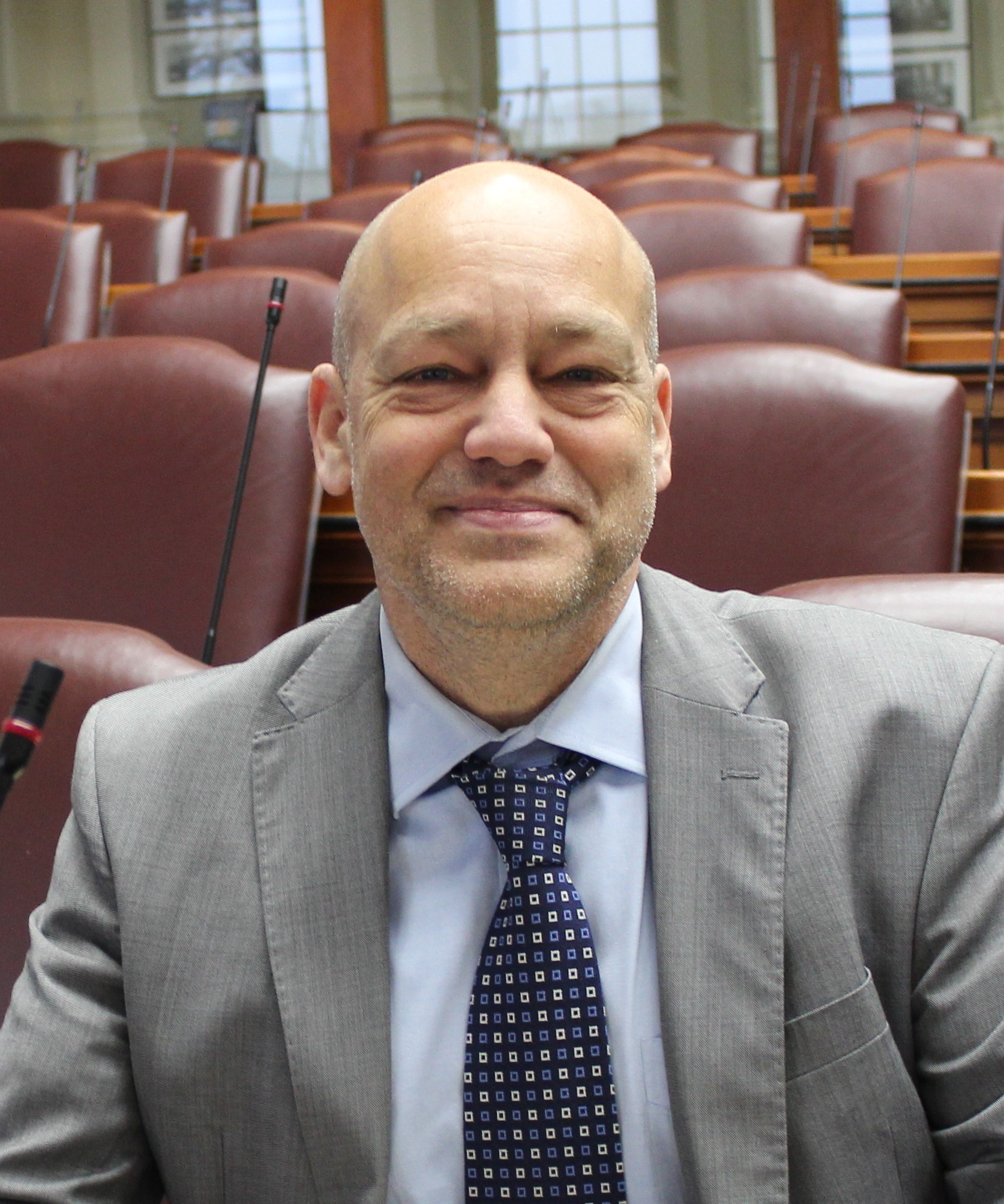
Key legislators
Who's moving technology in Maine
Showing 4 of 4
bills
All technology bills
This Maine bill prohibits artificial intelligence chatbots and social AI companions with human-like features from being accessible to minors under 18. It requires companies operating these systems to implement age verification measures and prevent children from interacting with AI that simulates human emotions, desires, or relationships. The law applies to any AI system that claims to be sentient, expresses emotions, attempts to build emotional attachments, or impersonates real people. Companies doing business in Maine or marketing to Maine residents must comply, while users and minors residing in the state are protected from exposure to these features.
This bill prohibits financial institutions (like banks and payment networks) from using merchant category codes (MCCs) to identify, track, or disclose transactions involving firearm purchases, firearm accessories, or ammunition. It specifically bans institutions from labeling or linking payment card transactions to firearms dealers or firearm-related sales through codes or other indicators. The law also prevents financial institutions from disclosing protected financial information about firearm purchases to any entity outside of processing the transaction itself. This directly affects banks, credit unions, payment networks, and firearm dealers accepting card payments in Maine.
LD 2017 updates Maine's school nutrition laws by allowing applications for free or reduced-price meals to be submitted directly to the agency that determines student eligibility (not just the school). It preserves existing rules about student access to food, handling meal debt, and prohibiting the use of food as discipline in schools. The bill removes a requirement for an online application system, resulting in a $250,000 reduction in state funding for 2026-27. This change affects students and schools participating in the National School Lunch Program by simplifying the eligibility application process.
LD 109 directs Maine's Arts Commission to study federal and national efforts protecting artists from copyright infringement by AI companies and monitoring educational use of copyrighted works. The commission must consult with the Attorney General and examine relevant laws, including the proposed No Fakes Act and Tennessee's likeness protection law, as well as past legal cases. It will report findings - including potential legislative recommendations - to the Education and Cultural Affairs Committee by December 3, 2025. This study specifically affects artists whose work may be used without permission by AI developers and educational institutions using copyrighted materials. The resolution does not enact new law but sets a process for future legislative action based on the commission's findings.