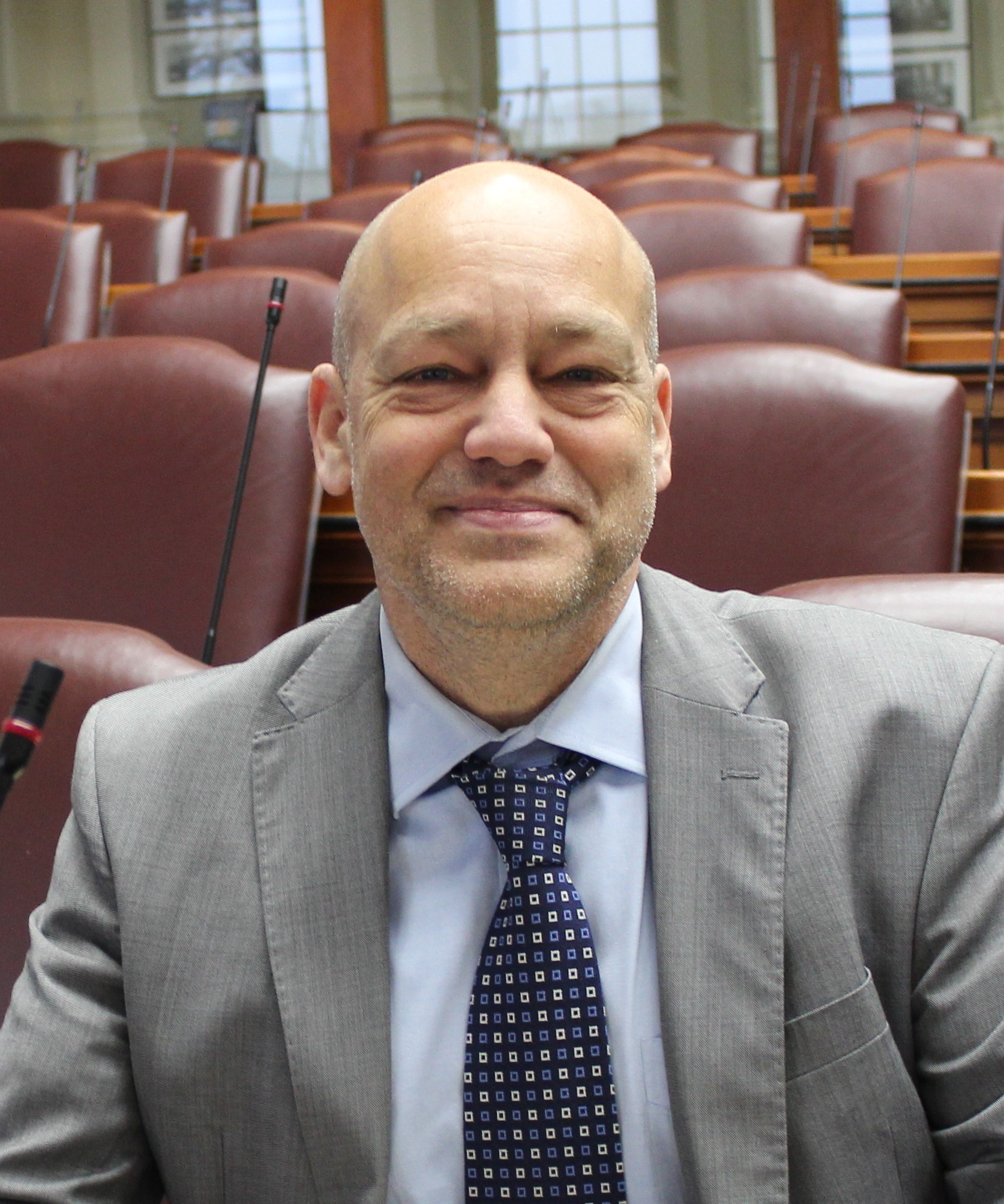
This bill creates a new Office of Information Privacy within the Department of the Secretary of State to protect the home addresses of judges, elected officials, and other public servants from public records. It allows authorized individuals, such as federal marshals or family members, to request that these officials' home addresses be removed from designated public documents and online resources. The law establishes a secure online system for submitting and managing these redaction requests while defining who qualifies as a covered person and who can act on their behalf. This change aims to enhance personal safety by limiting public access to sensitive location information for government officials and their immediate families.
This bill allocates $225,000 annually from the General Fund to support the Maine Discovery Museum's STEM education programs statewide. It directly funds three specific initiatives: the Maine Science Festival, the Maine Invention Convention, and the Science Around ME program. The funding is intended to sustain these educational efforts for students across Maine, focusing on science, technology, engineering, and mathematics. The bill provides ongoing financial support without altering existing laws or creating new regulations.
This bill creates a new independent auditor position within Maine's Attorney General's Office to oversee the Maine Information and Analysis Center (MIAC). The auditor will monitor MIAC's operations to ensure legal compliance, protect privacy and civil liberties, and maintain public transparency. Key provisions require the auditor to publish de-identified reports online annually, including progress on oversight goals and responses to data requests, while safeguarding confidential information. The bill also clarifies that non-classified MIAC information shared with private entities is subject to Maine's public records law. This directly affects MIAC's operations and provides the public with greater visibility into its activities.
This emergency bill prohibits school and college officials from voluntarily allowing immigration enforcement officers to enter private areas or access student records without a judicial warrant. It directly affects public schools, state postsecondary institutions, and their staff by restricting cooperation with immigration enforcement while still permitting the exchange of citizenship information with federal authorities. The law allows exceptions for valid court warrants or urgent circumstances but otherwise blocks non-judicial access to student data and private spaces. This measure aims to protect educational environments from immigration enforcement activities while maintaining legal compliance with federal information-sharing requirements.
This bill prohibits the doxing of minors (people under 18) by making it illegal to knowingly share their personal identifying information - such as home addresses, phone numbers, or social security details - without consent when that disclosure causes stalking, physical harm, property damage, or fear for safety. It allows a minor's family member, legal guardian, or representative to file a civil lawsuit seeking damages, attorney fees, or injunctive relief if doxing occurs. The law includes enhanced penalties (treble damages) if the doxing was motivated by bias based on a minor's race, gender, disability, or other protected characteristic. Key defenses permit disclosures made to law enforcement or for constitutionally protected speech about public concerns.
LD 536, titled "An Act To Establish Net Neutrality," proposes to require internet service providers in Maine to treat all online content equally. This would prevent providers from blocking, slowing, or charging extra for specific websites or services. The bill directly affects Maine residents who use the internet and the state's internet service providers. As a concept draft, it has been referred to the Committee on Energy, Utilities and Technology for further consideration.
This bill requires websites and apps that knowingly distribute obscene online content to verify users are 18 or older using reasonable methods, such as government ID or transactional data. Businesses must not retain any personal information after age verification is complete. It excludes bona fide news broadcasts, public interest content, and services like internet providers, search engines, or cloud hosts that don’t create the content. Violating the bill makes businesses liable for damages - including court costs and attorney fees - if a minor accesses the material, and the Attorney General can enforce it as an unfair practice.
Maine's LD 919 requires public schools, public charter schools, and approved private schools to obtain written parental permission before administering any survey or questionnaire that asks for or identifies a minor student's full name. The bill directly affects schools by restricting how they collect student data and parents by requiring their explicit consent for these specific surveys. Key provisions mandate that schools cannot use such surveys without prior written permission from a parent, covering all student surveys that request full names. This policy change focuses on protecting student privacy for a specific type of data collection in educational settings.