Issue · Criminal Justice

Criminal Justice

Every criminal justice bill, vote, and legislator stance in Kansas, automatically classified by Maddy, our AI policy reader.

Total bills
53
119th Congress
Top supporter
Roger Marshall
77% support rate
Top opponent
Ron Estes
37% support rate
Ranked legislators
6
2 support · 4 oppose
Key legislators

Who's moving criminal justice in Kansas

Legislators moving criminal justice in Kansas
Legislator Party Stance Support rate Votes
Roger Marshall
Roger Marshall Senate
R
Support
77% 170
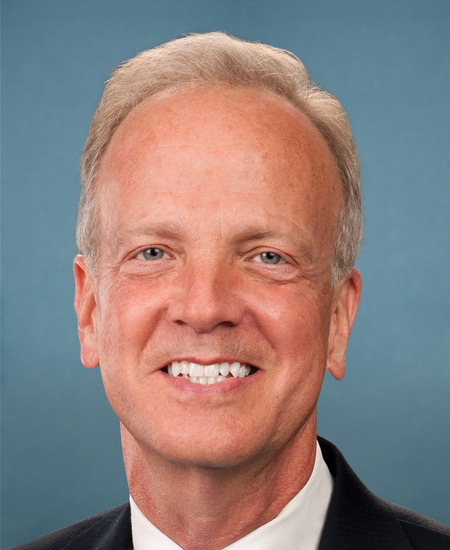
Jerry Moran
Jerry Moran Senate
R
Support
65% 166
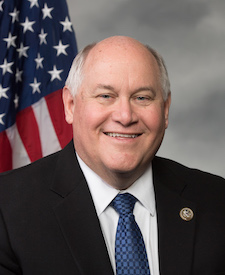
Ron Estes
Ron Estes House · District 4
R
Oppose
37% 154
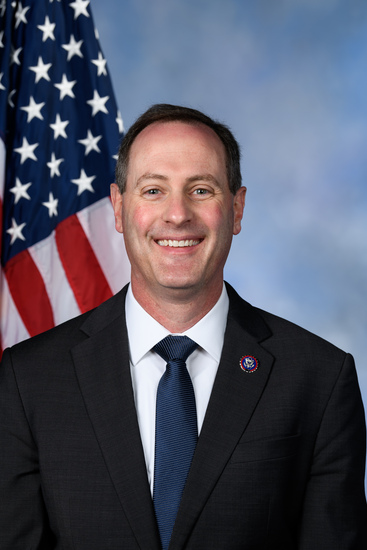
Tracey Mann
Tracey Mann House · District 1
R
Oppose
37% 154
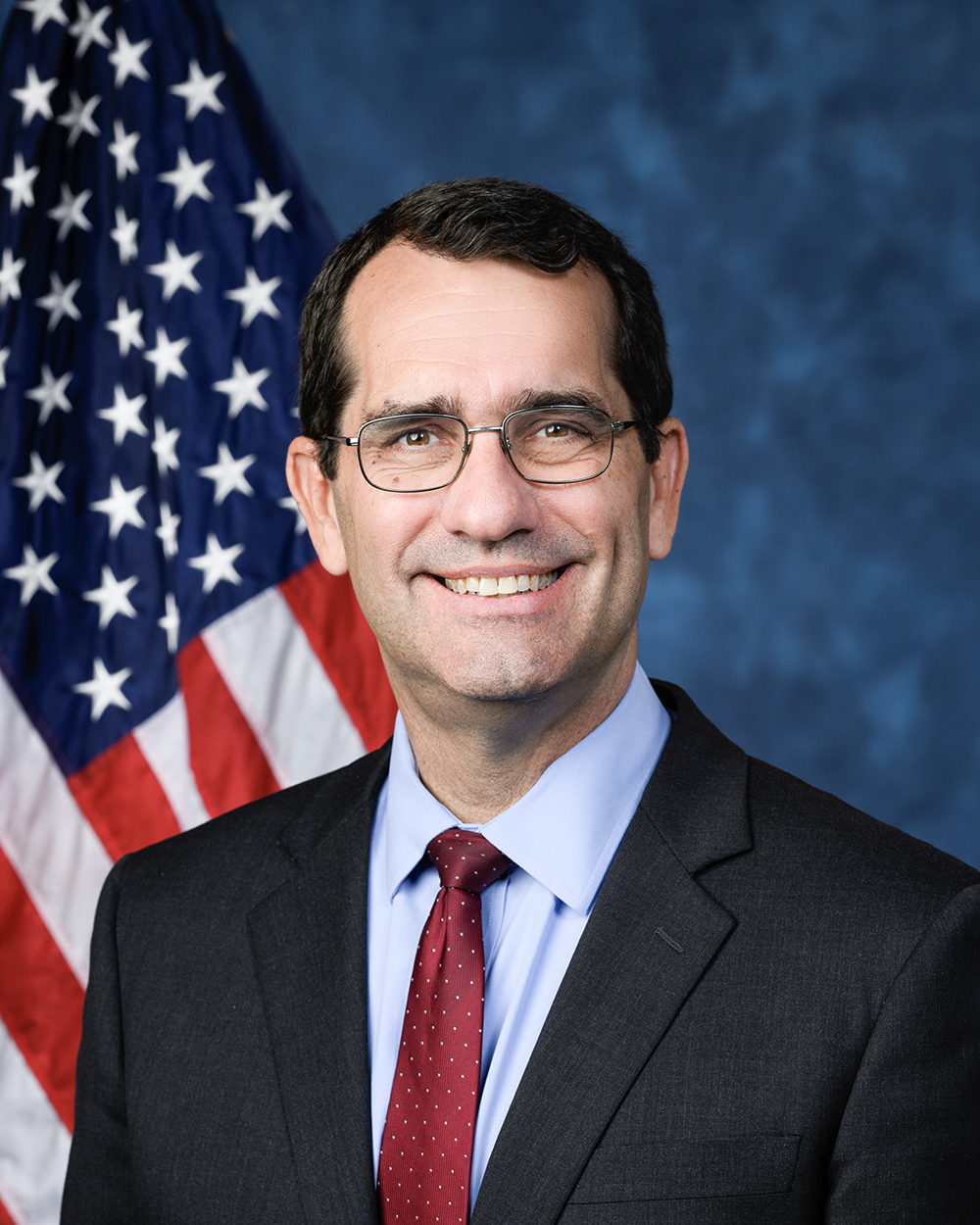
Derek Schmidt
Derek Schmidt House · District 2
R
Oppose
37% 153
Sharice Davids
Sharice Davids House · District 3
D
Mixed −
47% 151
Showing 1–10 of 53 bills

All criminal justice bills

in committee · United States · Senate Aug 4, 2026

S 5228: STOP the SWAMP Act

The STOP the SWAMP Act modifies congressional rules to impose stricter penalties on witnesses who refuse to answer questions or commit perjury during federal investigations. Under the new provisions, such individuals would face misdemeanor charges, potential jail time, and automatic debarment from future federal employment. Additionally, the bill creates a streamlined process allowing members of Congress to quickly pass resolutions cutting the salary and expenses of federal employees who violate these rules. These measures aim to increase accountability for witnesses by ensuring they face immediate consequences for non-compliance or dishonesty.
Sub-Topics Corrections
in committee · United States · Senate Jul 30, 2026

S 5192: Jimmy Deal Trafficking Survivors Assistance Act of 2026

The Jimmy Deal Trafficking Survivors Assistance Act of 2026 requires the Transportation Security Administration to create a dedicated role called a Trafficking Survivor Point of Contact at airports nationwide. This position is designed to help nonprofit organizations that assist human trafficking victims navigate security screenings and travel procedures for individuals who lack proper identification documents. Under the bill, these contacts would work with service providers to verify identities in a trauma-informed manner, accompany survivors through security checkpoints, and waive specific identity verification fees. The law also mandates that the TSA publish online information about these services and ensures that designated contacts receive training on human trafficking and post-traumatic stress disorder.
Sub-Topics Human Trafficking
in committee · United States · House Jul 2, 2026

HR 9576: National Fraud Enforcement Division Act of 2026

This bill creates a new National Fraud Enforcement Division within the Department of Justice to lead efforts against fraud targeting the federal government, federally funded programs, and American citizens. The division will be headed by an Assistant Attorney General appointed by the President and Senate, who will oversee complex investigations, guide local prosecutors, and coordinate with other federal agencies to stop organized fraud schemes. Additionally, the leader of this new unit will set national enforcement priorities and suggest legal or regulatory changes to fix systemic weaknesses that allow fraud to occur.
in committee · United States · House Apr 30, 2026

HR 8601: Veterans Protection from Fraud Act of 2026

The Veterans Protection from Fraud Act of 2026 strengthens federal penalties for crimes targeting veterans of any age. It achieves this by amending the U.S. Code to explicitly include "targeted veterans" as a specific category of victims for certain offenses. This legislative change ensures that fraud or crimes directed at veterans are treated with the same legal severity as those committed against other protected groups. The bill directly affects law enforcement, prosecutors, and the veterans community by closing a potential gap in how such crimes are classified and punished.
in committee · United States · House May 13, 2026

HR 8774: Bulletproof Law Enforcement Vehicles Act

This bill, known as the Bulletproof Law Enforcement Vehicles Act, directs the Department of Homeland Security to allow funding for upgrading law enforcement vehicles with security features like bulletproof windows. By amending an existing law, it expands the types of vehicle enhancements that can be financed with current federal assistance programs. The change specifically authorizes the use of these funds for protective upgrades without creating new budgetary requirements. Law enforcement agencies that receive federal financial assistance would be the primary beneficiaries of this expanded eligibility.
Sub-Topics Law Enforcement
in committee · United States · House Apr 29, 2026

HR 8571: TREY'S Law

This bill, known as TREY's Law, aims to make nondisclosure clauses in contracts void and unenforceable if they prevent the reporting of sexual abuse involving minors. It directly affects victims of such abuse, their families, and anyone with knowledge of the abuse by allowing them to disclose these incidents without fear of civil liability. The law applies retroactively to agreements made before or after its passage and overrides any state laws that allow the enforcement of these specific clauses. While it invalidates clauses that silence abuse details, it permits parties to keep confidential other settlement terms like payment amounts, provided this does not stop the disclosure of the abuse itself.
in committee · United States · House May 14, 2026

HR 8824: To repeal the jurisdiction conferred by section 3243 of title 18, United States Code, to the State of Kansas over offenses committed by or against Indians on Tribal lands in Kansas.

This bill proposes to remove the legal authority of the State of Kansas to prosecute crimes committed on Native American tribal lands within the state. By repealing a specific section of the U.S. Code, the legislation would transfer exclusive jurisdiction over these offenses to federal authorities and tribal governments. The change directly affects law enforcement agencies and individuals involved in legal proceedings concerning crimes occurring on reservations in Kansas.
Sub-Topics Law Enforcement Tags Tribal Nations
in committee · United States · House Apr 28, 2026

HR 8564: Local Law Enforcement Support Act of 2026

The Local Law Enforcement Support Act of 2026 expands funding opportunities for local police departments through the Byrne JAG and COPS programs. These funds can be used to recruit and train officers, purchase protective gear, and acquire specific tools like digital forensics equipment, drone technology, and ballistics analysis systems. The bill also allows for investments in software for cyber investigations and victim services. By adding these categories to the list of eligible expenses, the legislation provides law enforcement agencies with more options for addressing modern crime challenges.
passed · United States · House May 13, 2026

HRES 1252: Resolution memorializing law enforcement officers killed in the line of duty.

This resolution expresses support for police officers and other law enforcement personnel. The resolution further recognizes law enforcement officers across the United States in the pursuit of preserving safe and secure communities; the need to ensure that such officers have the equipment, training, and resources necessary to protect their health and safety while they are protecting the public; and the law enforcement community for acts of sacrifice and heroism. The resolution expresses condolences and appreciation to the loved ones of each law enforcement officer who has made the ultimate sacrifice in the line of duty.
in committee · United States · House Feb 11, 2026

HR 7494: Preventing Domestic Violence Homicides Through Lethality Assessment Training and Technical Assistance Act

This bill establishes a national resource center to help states, local governments, and tribes adopt programs designed to prevent domestic violence homicides. It authorizes the Attorney General to award grants to nonprofit or tribal organizations that have proven experience in creating and evaluating these safety initiatives. The funded programs would train first responders to better identify high-risk situations and connect victims quickly with community support services using evidence-based tools. A total of $5,000,000 is authorized annually starting in fiscal year 2026 to support these efforts.
Showing 1 to 10 of 53 bills
1 2 3 6 Next