

Issue · Healthcare
Healthcare
Every healthcare bill, vote, and legislator stance in Iowa, automatically classified by Maddy, our AI policy reader.
Total bills
534
2025-2026 Regular Session
Top supporter
Hans Wilz
71% support rate
Top opponent
Catelin Drey
33% support rate
Ranked legislators
10
5 support · 5 oppose
Key legislators
Who's moving healthcare in Iowa
| Legislator | Party | Stance | Support rate | Decisive votes |
|---|---|---|---|---|
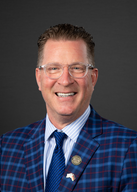
Hans Wilz
House · District 25
|
R |
Support
|
71% | 17 |
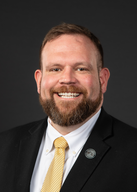
Matt Rinker
House · District 99
|
R |
Support
|
71% | 17 |
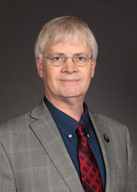
Jeff Taylor
Senate · District 2
|
R |
Support
|
68% | 25 |
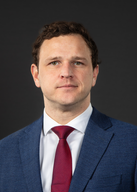
Jeff Shipley
House · District 87
|
R |
Support
|
67% | 36 |

Cherielynn Westrich
Senate · District 13
|
R |
Support
|
67% | 27 |

Catelin Drey
Senate · District 1
|
D |
Oppose
|
33% | 15 |

Ruth Ann Gaines
House · District 33
|
D |
Oppose
|
33% | 6 |

Liz Bennett
Senate · District 39
|
D |
Oppose
|
35% | 23 |
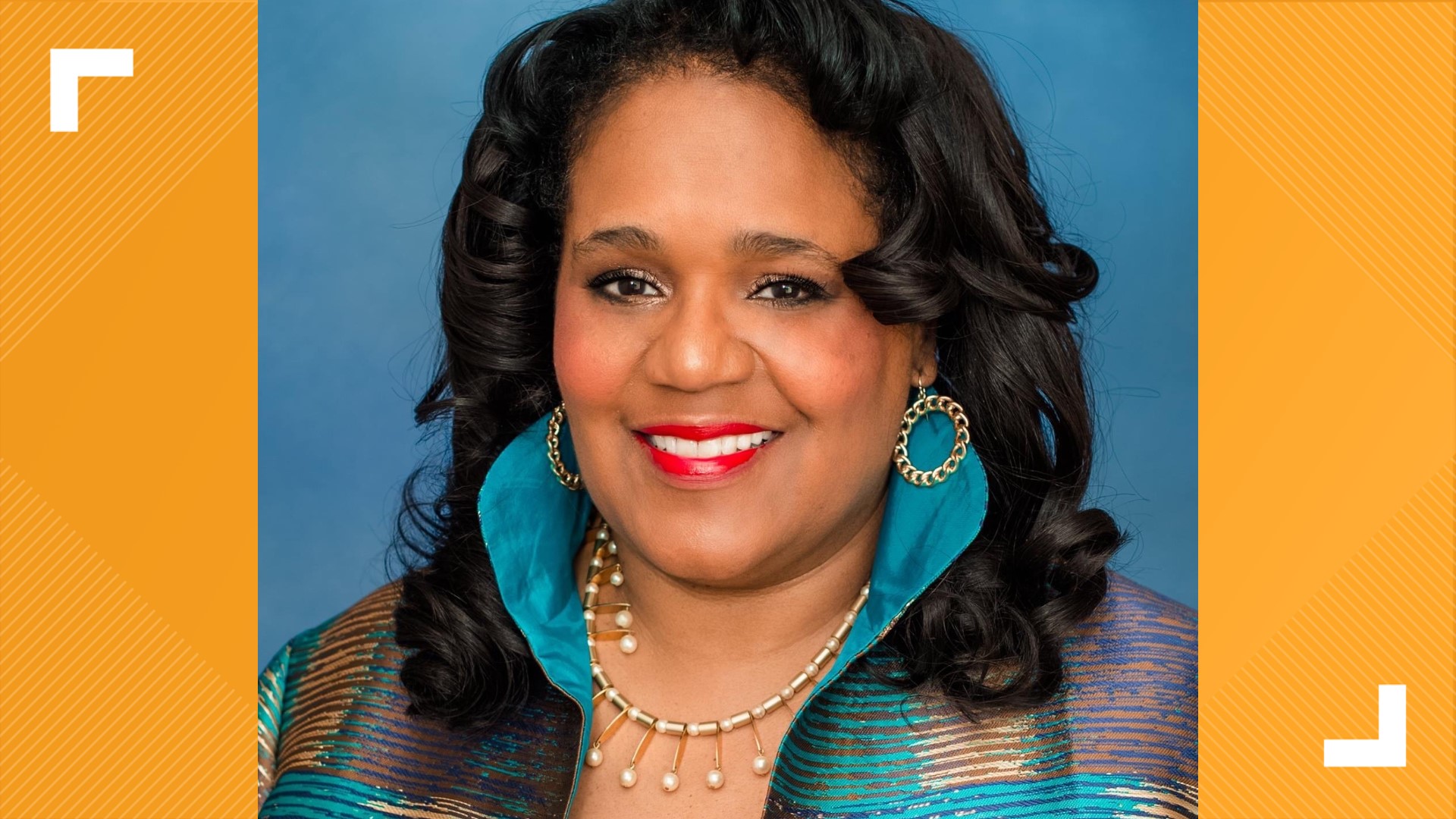
Renee Hardman
Senate · District 16
|
D |
Oppose
|
36% | 14 |

Tracy Ehlert
House · District 79
|
D |
Oppose
|
36% | 14 |
Showing 271–280 of 534
bills
All healthcare bills
HF 424: A bill for an act relating to the establishment of the work without worry program under the medical assistance program for employed individuals with disabilities, and including effective date provisions.
HSB 190: A bill for an act relating to the recovery of overpayment of a claim by a dental carrier.
Sub-Topics
Substance Abuse
HF 487: A bill for an act relating to drug paraphernalia and drug-checking equipment.
Topics
✓ Criminal JusticeSupports Criminal JusticeExempts fentanyl test strips and harm reduction tools from criminal penalties, reducing unnecessary arrests and aligning with criminal justice reform by prioritizing public health over punishment.
✓ HealthcareSupports HealthcareExempts fentanyl test strips and drug-checking equipment from criminal penalties, removing legal barriers to public health harm reduction services and protecting users from penalties when using safety tools.
✓ HousingSupports HousingPrevents housing loss for using drug-checking tools, protecting tenants from eviction related to harm reduction efforts under the bill's exemptions.
HSB 183: A bill for an act relating to prior authorization for dental care services.
HF 661: A bill for an act relating to child care, including the child and dependent care tax credit, a child care workforce matching grant program, a small business child care tax credit, and state child care assistance, and including applicability provisions.
Topics
✓ Budget & TaxesSupports Budget & TaxesExpands tax credits for families (matching federal) and small businesses, funds child care workforce through grants, aligning with tax relief and public service funding indicators.
✓ HealthcareSupports HealthcareBill explicitly provides health insurance benefits for child care workers via state grant program, expanding coverage for a workforce segment.
✓ Labor & EmploymentSupports Labor & EmploymentEstablishes state grant program to raise wages and provide health benefits for child care workers, directly advancing worker compensation and benefits.
HF 676: A bill for an act requiring employers to provide reasonable accommodations to employees based on pregnancy or childbirth and making penalties applicable.
Topics
✓ HealthcareSupports HealthcareRequires employer accommodations for pregnancy/childbirth health conditions with healthcare provider support, protecting employee health access and employment-based coverage.
✓ Labor & EmploymentSupports Labor & EmploymentRequires employers to provide pregnancy-related accommodations, directly protecting workers' rights under labor and employment standards without undue hardship.
SSB 1120: A bill for an act relating to services and support for youth, including treatment, physical assessments, and behavioral health evaluations; exemptions from children’s residential facility certification; the director of juvenile court services and chief juvenile court officers; and suspension of Hawki eligibility for public institution inmates.
Topics
✓ Criminal JusticeSupports Criminal JusticeEstablishes mental health care standards for youth in juvenile facilities, aligning with rehabilitation-focused criminal justice reform through improved treatment protocols and oversight.
✓ HealthcareSupports HealthcareEstablishes mandatory standards for youth mental health care facilities, requiring comprehensive treatment plans, qualified staff, and licensing compliance, directly strengthening mental health services for vulnerable populations.
Sub-Topics
Juvenile Justice
SF 438: A bill for an act relating to the establishment of a 988 emergency service fund, making an appropriation, and including effective date provisions.
Topics
✓ Budget & TaxesSupports Budget & TaxesAllocates $3M annually from state general fund for 988 crisis services, increasing public service funding and ensuring continuity of mental health support.
✓ HealthcareSupports HealthcareEstablishes $3M annual state fund for 988 mental health crisis services, ensuring continuity of care during federal funding gaps - directly funds mental health services.
Sub-Topics
Mental Health
HF 372: A bill for an act establishing a grant program for a nonprofit organization providing sexual assault forensic examination centers.
Topics
✓ Criminal JusticeSupports Criminal JusticeFunds nonprofit sexual assault forensic centers, enhancing victim care and evidence collection in criminal justice system.
✓ HealthcareSupports HealthcareFunds nonprofit sexual assault forensic examination centers, expanding medical care access for survivors including vulnerable populations through state grants.