









Issue · Budget & Taxes

Budget & Taxes

Every budget & taxes bill, vote, and legislator stance in Iowa, automatically classified by Maddy, our AI policy reader.

Total bills
1
2025-2026 Regular Session
Top supporter
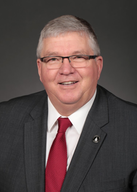
Julian Garrett
86% support rate
Top opponent
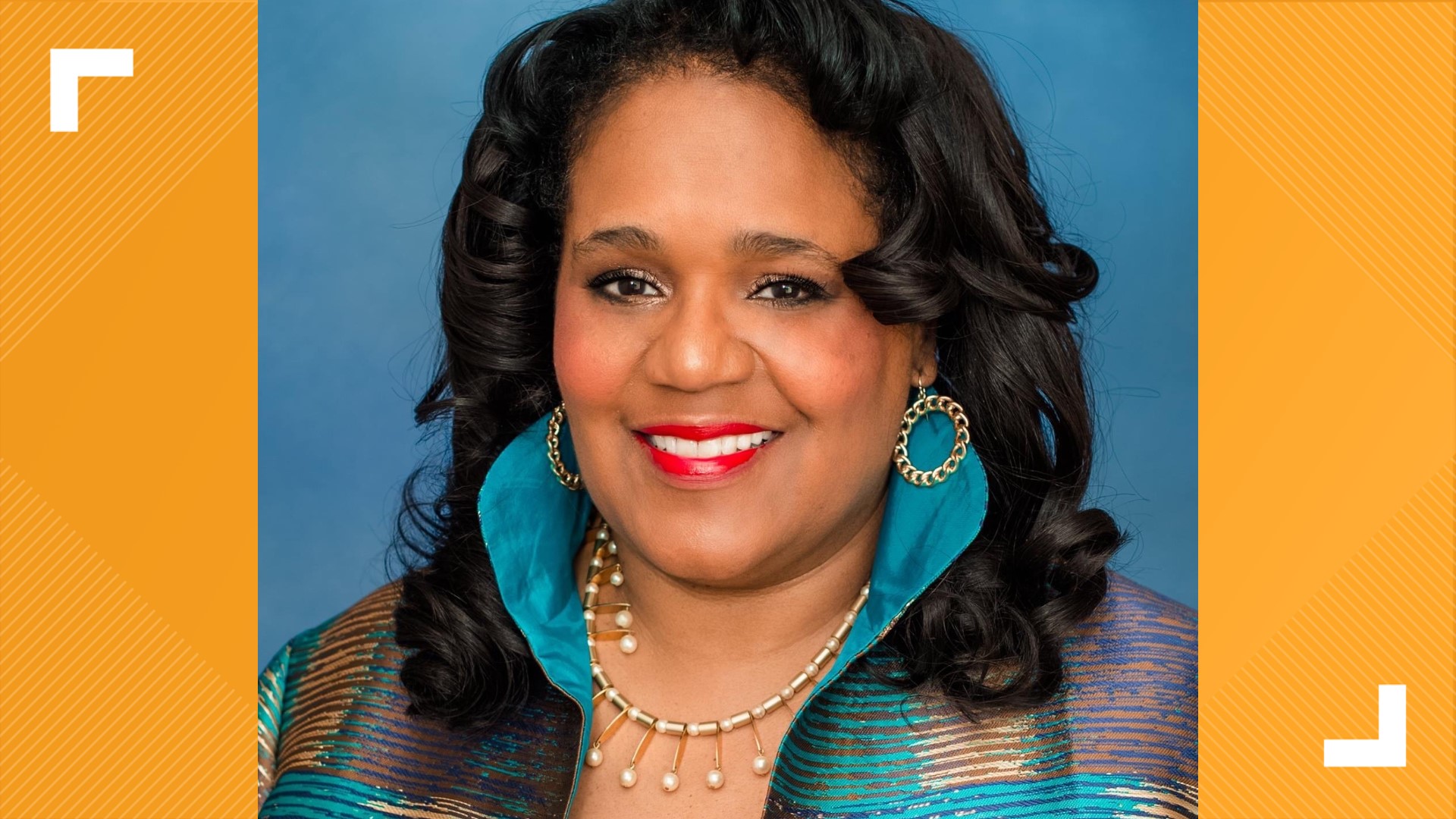
Liz Bennett
30% support rate
Ranked legislators
10
5 support · 5 oppose
Key legislators

Who's moving budget & taxes in Iowa

Legislators moving budget & taxes in Iowa
Legislator Party Stance Support rate Decisive votes
Julian Garrett
Julian Garrett Senate · District 11
R
Strong +
86% 7
Dan Dawson
Dan Dawson Senate · District 10
R
Support
73% 26
Ken Rozenboom
Ken Rozenboom Senate · District 19
R
Support
73% 33
Dan Zumbach
Dan Zumbach Senate · District 34
R
Support
72% 32
Dennis Guth
Dennis Guth Senate · District 28
R
Support
72% 32
Liz Bennett
Liz Bennett Senate · District 39
D
Oppose
30% 33
Janet Petersen
Janet Petersen Senate · District 18
D
Oppose
31% 32
Renee Hardman
Renee Hardman Senate · District 16
D
Oppose
32% 22
Bill Dotzler
Bill Dotzler Senate · District 31
D
Oppose
33% 33
Janice Weiner
Janice Weiner Senate · District 45
D
Oppose
33% 33
Showing 1 of 1 bills

All budget & taxes bills

passed · Iowa · House Apr 14, 2025

HF 579: A bill for an act relating to certain amounts of school district funding for programs for at-risk students, secondary students who attend alternative programs or alternative schools, or returning dropouts and dropout prevention.

HF 579 adjusts funding limits for school districts providing programs for at-risk students, alternative school attendees, or returning dropouts. It sets a 2.5% cap on supplemental funding relative to a district's total regular program costs for fiscal years starting July 1, 2013, and later, with a historical adjustment for districts exceeding this cap before 2013. Starting in 2026, districts could exceed the 2.5% limit to 5% if approved by local voters through an election. The bill directly affects school districts receiving these specific supplemental funds, requiring voter approval for higher funding levels beyond 2025.