

Maddy summaryThis bill removes federal restrictions that previously limited methadone prescribing for opioid use disorder, allowing certified addiction specialists and program employees to prescribe methadone through pharmacies for up to 30 days per electronic prescription. It directly affects patients with opioid use disorder who can now access treatment more flexibly outside traditional clinic settings, and healthcare providers who gain new prescribing authority. Key provisions include requiring electronic prescriptions, mandating patient informed consent about confidentiality differences, and permitting telehealth for counseling and ancillary services. The bill also requires annual reports to Congress tracking registered providers and patients served.
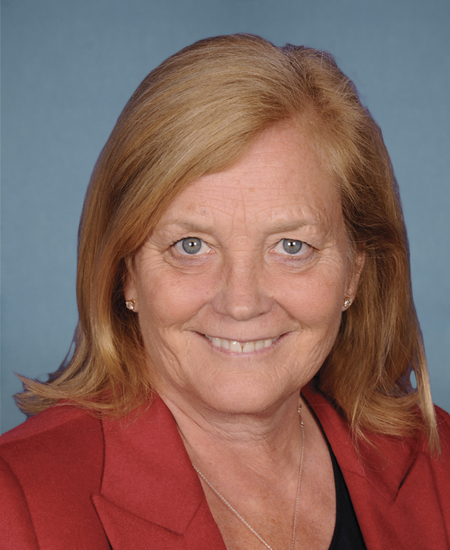
Rep. Chellie Pingree
Sponsored bills
Maddy summaryThis bill requires Medicaid to cover dental and oral health services for adults beginning in 2025, directly affecting low-income adults enrolled in Medicaid. It defines covered services to include preventive care, restorative treatments, dentures, implants, and emergency dental care. The bill increases federal funding for these services (100% FMAP for a 12-quarter period starting in 2025) and requires states to implement new quality measures tracking oral health outcomes and disparities. It also mandates reports on access barriers and creates outreach programs to improve culturally competent dental care for underserved populations.
Maddy summaryThe Paycheck Fairness Act (HR 17) strengthens equal pay protections by amending the Fair Labor Standards Act. It prohibits pay discrimination based on sex, pregnancy, childbirth, sexual orientation, gender identity, and sex characteristics. The bill modifies employer defenses for pay differences to require demonstration that any disparity is job-related, consistent with business necessity, and accounts for the entire pay differential. It also prohibits employers from relying on wage history when making hiring decisions or setting pay, enhances penalties for violations, and requires the EEOC to collect compensation data disaggregated by sex, race, and national origin.
Maddy summaryHCONRES 22 is a symbolic resolution recognizing the persistent gender pay gap in the U.S., documenting that women earn significantly less than men across racial groups (e.g., Black women earn 67 cents for every dollar earned by White men). It highlights the economic impact of this disparity, noting women lose over $958 billion annually in wages and face barriers like occupational segregation and workplace harassment. The resolution does not create new laws or policies but formally acknowledges the issue and reaffirms Congress’s commitment to addressing the gap. It references specific Equal Pay Days (e.g., March 14 for all women) to underscore the time women must work to earn what men did the previous year.
Maddy summaryThis bill establishes a federal grant program to assist farmers and agricultural communities affected by PFAS (contaminants in soil and water). Eligible states, tribes, or local governments can apply for funds if their agricultural land or water sources contain unsafe PFAS levels, with 30% of annual funding reserved for smaller jurisdictions. Grants can be used for direct compensation to farmers for contaminated land/products, transitioning to new production systems, health monitoring, research on PFAS impacts, and developing remediation strategies. The program authorizes $500 million over five years (2024-2028) and requires annual reports on fund usage and community needs.
Maddy summaryHR 1510, the Improving Access to Nutrition Act of 2023, removes work requirements for Supplemental Nutrition Assistance Program (SNAP) recipients. It directly affects approximately 6.1 million people, including many Black, Hispanic, and Native American households disproportionately impacted by food insecurity (with rates 2-4x higher than White households), as well as families with children and individuals with health barriers to employment. The bill amends the Food and Nutrition Act by striking provisions requiring work for SNAP eligibility and related administrative requirements. This change aims to prevent vulnerable households from losing critical food assistance during the pandemic and beyond.
Maddy summaryThe Stop Corporate Capture Act requires agencies to disclose conflicts of interest when industry-funded studies or research are submitted for rulemaking consideration. It mandates that such studies be made publicly available and requires agencies to assess the social equity impacts of proposed rules. The bill creates an Office of the Public Advocate to help improve public participation in rulemaking, particularly for historically excluded groups. These provisions aim to increase transparency in regulatory decision-making and ensure rulemaking considers broader public interests beyond corporate interests.
Maddy summaryHR 1483 repeals multiple tax provisions benefiting oil and gas companies, effective for taxable years beginning after December 31, 2022. It eliminates credits for marginal wells, enhanced oil recovery, and intangible drilling costs; ends percentage depletion allowances for oil/gas; and prohibits LIFO accounting for major integrated oil producers (defined as companies with >500,000 barrels daily crude production). The bill also removes deductions for tertiary injectants, special passive loss rules, and qualified business income deductions for oil/gas activities. These changes directly affect oil and gas producers by reducing their tax advantages, without creating new taxes or subsidies.
Maddy summaryHR 1269, the Healthy Meals Help Kids Learn Act of 2023, increases federal funding for school meals. It adds 45 cents per lunch and 28 cents per breakfast served by school food authorities (like school districts) starting July 1, 2023, covering all meal types (free, reduced-price, and full-price). The extra payments are adjusted annually beginning July 1, 2024, based on inflation. This directly affects schools serving meals under the National School Lunch and Child Nutrition programs, providing them with additional funding to support meal costs.
Maddy summaryThe WRCR Act of 2023 would expand the Earned Income Tax Credit (EITC) to include more low-income workers and students, lowering the minimum age requirement from 25 to 18 and allowing students receiving Federal Pell Grants or meeting specific income requirements to qualify. It would create a new program for monthly advance payments of the credit instead of a single annual payment, with taxpayers needing to report changes in circumstances to avoid overpayment. The bill also modifies income thresholds and credit percentages to increase access for more workers, with these changes taking effect for tax years beginning after December 31, 2022.