

Maddy summaryThe Humane Cosmetics Act of 2023 bans cosmetic animal testing in the United States, prohibiting companies from conducting or contracting such testing after its enactment (effective 1 year later). It also bans selling or transporting cosmetics developed using animal testing conducted after that date within U.S. interstate commerce. The law directly affects cosmetic manufacturers, retailers, and suppliers operating in the U.S. market, requiring them to use non-animal testing methods for safety evaluations. Exceptions exist for foreign regulatory requirements or when no alternative testing methods are available for specific ingredients.
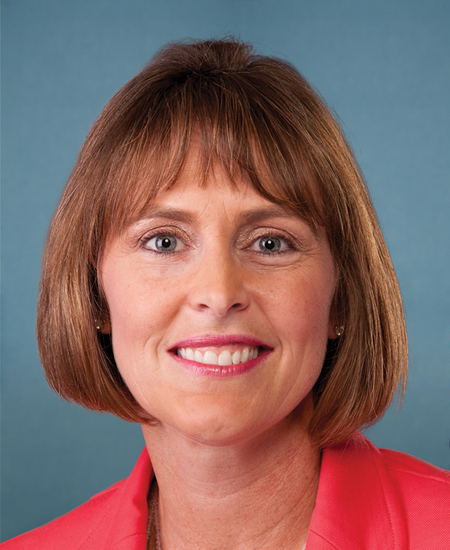
Rep. Kathy Castor
Sponsored bills
Maddy summaryThis bill creates federal grants to help hospitals with emergency departments improve follow-up care for patients experiencing acute mental health crises. It directly affects emergency departments licensed to treat mental health emergencies and the patients treated there, aiming to reduce gaps in transitioning to ongoing care. Grants can fund coordination with community providers, expand psychiatric bed availability, implement telehealth support in EDs, and establish follow-up systems like phone check-ins. The bill authorizes $15 million annually (2024-2028) for these programs, requiring hospitals to demonstrate needs and coordinate with local health systems before receiving funds.
Maddy summaryHR 5433, the Child Care Stabilization Act, provides $16 billion annually from 2024 to 2028 to stabilize the child care sector through grants administered by the Health and Human Services Secretary. It directly affects licensed child care providers by offering stable funding to cover operating costs, while supporting higher wages for early educators without raising family fees. Key provisions include expanding access to high-quality, affordable care - especially for infants/toddlers, rural communities, and children with disabilities - and addressing shortages in underserved areas. The funding builds on existing American Rescue Plan resources, aiming to strengthen the child care workforce and increase available options for working families.
Maddy summaryHR 3152, the "Fight CRIME Act," aims to maintain international restrictions on Iran's missile-related activities by requiring diplomatic efforts to extend these restrictions before they expire in October 2023. The bill mandates annual reports detailing U.S. diplomatic strategies, potential impacts of expiration, and measures to deter missile technology transfers to Iran. It establishes sanctions against foreign individuals or entities that knowingly support Iran's missile or drone programs, including asset freezes and visa restrictions. These sanctions apply regardless of whether UN restrictions remain in effect after their expiration, directly affecting foreign entities involved in these activities.
Maddy summaryThis resolution supports designating September 22 as "National Military and Veterans Suicide Awareness Day" to raise public awareness about suicide prevention among active-duty service members and veterans. It does not create new policies or funding but aims to highlight mental health challenges like PTSD and depression that contribute to higher suicide rates in these communities. The resolution emphasizes reducing stigma and encouraging help-seeking during Suicide Prevention Awareness Month (September). It directly affects military personnel, veterans, and the public by promoting national attention to this issue through a designated awareness day.
Maddy summaryHRES 668, the BUDS Resolution, amends House rules to allow bipartisan joint sponsorship of public bills and resolutions by one majority-party and one minority-party member. This change directly affects House members seeking to co-sponsor legislation with cross-party support, updating the existing rules for naming cosponsors and submitting constitutional authority statements. The key mechanism requires that for joint sponsorship, one sponsor must represent the majority party and the other the minority party, with both sponsors sharing responsibility for related procedural steps. This procedural adjustment streamlines the process for bipartisan co-sponsorship without altering legislative policy.
Maddy summaryHR 4547, the Laws Ensuring Safe Shrimp Act (LESS Act), creates a dedicated fund using 70% of U.S. import duties on shrimp and shrimp products (e.g., frozen shrimp, shrimp-based dishes) to improve safety and labor compliance. The fund allocates 50% to the FDA for inspecting high-risk shrimp for antibiotic contamination and verifying imports aren’t sourced from forced labor or illegal fisheries, and 50% to the USDA to boost domestic shrimp consumption. It directly affects shrimp importers (who pay the duties), federal agencies (FDA, USDA, CBP), and domestic shrimp producers (who benefit from consumption programs). The bill ensures funding supplements existing programs and remains available until spent, focusing on concrete safety and labor checks rather than speculative outcomes.
Maddy summaryHR 4277, the Saving America’s Pollinators Act of 2023, would immediately cancel all registrations for neonicotinoid pesticides (including imidacloprid and clothianidin) and ban their sale, use, and future registration. This directly affects farmers and crop producers who currently use these pesticides on over 150 million acres of crops like corn and soybeans, where seed coatings are widely applied. The bill also ends exemptions for seed-treated pesticides and requires the Environmental Protection Agency to revoke tolerances for pesticide residues in food within six months. Additionally, it mandates the U.S. Fish and Wildlife Service’s newly established Center for Pollinator Conservation to monitor native bee populations and coordinate federal actions to reverse pollinator declines.
Maddy summaryThe CHARGE Act of 2023 modernizes U.S. electricity transmission planning and cost allocation to better support renewable energy integration and grid reliability. It requires transmission providers to conduct interregional planning every five years, allocate costs based on multiple benefits (including reduced consumer costs, renewable energy access, and grid resilience), and make hourly operational data publicly available. The bill establishes an Office of Transmission within the Federal Energy Regulatory Commission (FERC) and creates an Independent Transmission Monitor to oversee planning processes. These changes aim to reduce costs for consumers, improve grid reliability, and support the transition to cleaner energy sources through concrete regulatory reforms.
Maddy summaryThe Ethics in Energy Act of 2023 prohibits large energy companies (including major electric utilities and natural gas providers) from charging customers for political influence spending. It requires these "covered utilities" to stop recovering expenses like lobbying, campaign contributions, or PR campaigns aimed at shaping regulations or elections from customer rates. Utilities must submit detailed annual reports on such spending to the Federal Energy Regulatory Commission (FERC), and FERC can impose penalties (up to triple the amount recovered) that must be refunded to customers. Penalties are split: half goes to ratepayers as rebates, half funds FERC’s enforcement.