Issue · Healthcare

Healthcare (Substance Abuse)

Every healthcare bill, vote, and legislator stance in Indiana, automatically classified by Maddy, our AI policy reader.

Total bills
16
2026 Regular Session
Top supporter
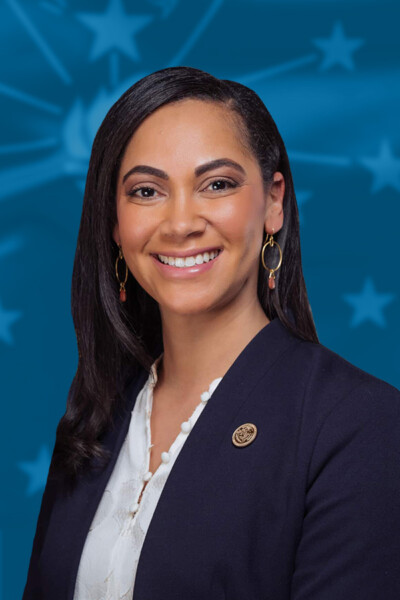
Andrea Hunley
100% support rate
Top opponent
Eric Koch
0% support rate
Ranked legislators
10
5 support · 5 oppose
Key legislators

Who's moving substance abuse in Indiana

Legislators moving substance abuse in Indiana
Legislator Party Stance Support rate Votes
Andrea Hunley
Andrea Hunley Senate · District 46
D
Strong +
100% 4
Fady Qaddoura
Fady Qaddoura Senate · District 30
D
Strong +
100% 4
Greg Taylor
Greg Taylor Senate · District 33
D
Strong +
100% 4
Mark Spencer
Mark Spencer Senate · District 3
D
Strong +
100% 4
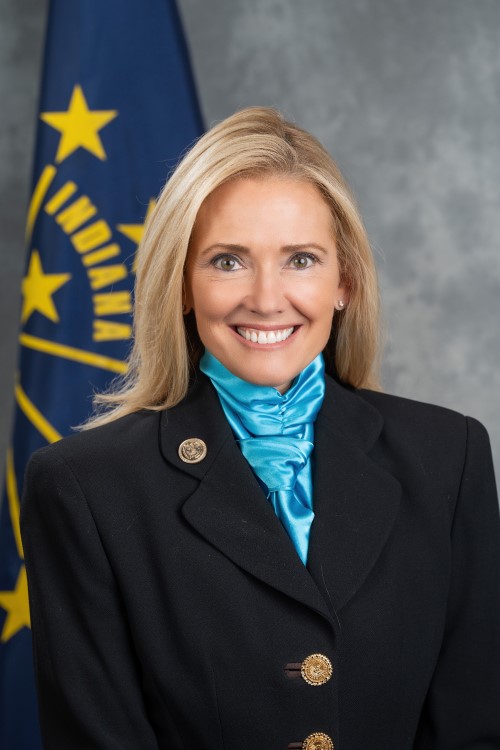
Shelli Yoder
Shelli Yoder Senate · District 40
D
Strong +
100% 4
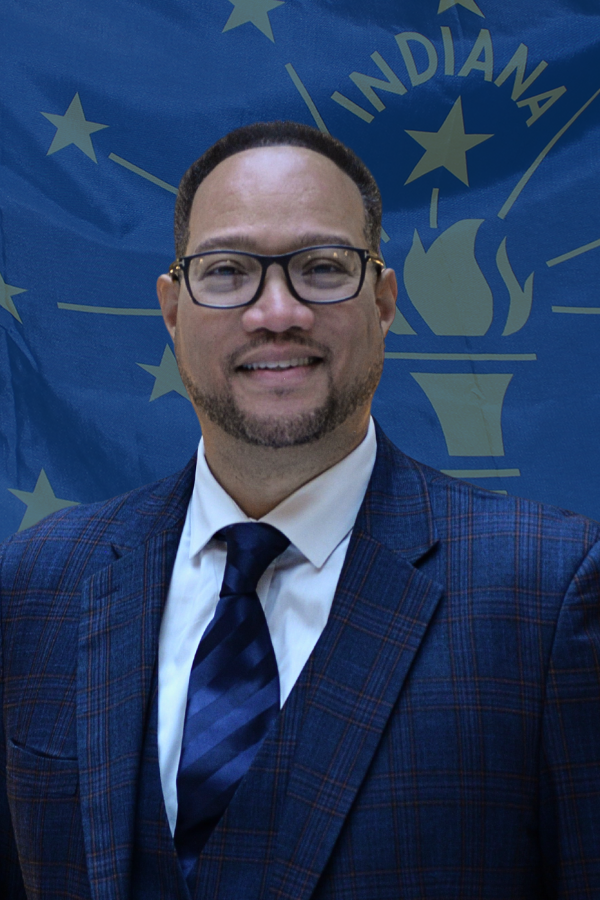
Eric Koch
Eric Koch Senate · District 44
R
Strong −
0% 4
Gary Byrne
Gary Byrne Senate · District 47
R
Strong −
0% 4
Jeff Raatz
Jeff Raatz Senate · District 27
R
Strong −
0% 4
Mike Gaskill
Mike Gaskill Senate · District 25
R
Strong −
0% 4
Tyler Johnson
Tyler Johnson Senate · District 14
R
Strong −
0% 4
Showing 11–16 of 16 bills

All healthcare bills

passed · Indiana · Senate Feb 2, 2026

SB 85: Health care debt and costs.

Authorizes the attorney general to enforce provisions concerning health care debt wage garnishment and principal residence lien restrictions and establish a complaint process. Requires hospitals to do the following: (1) Offer a person who meets certain income guidelines and has received health services the opportunity to pay the charges through a payment plan that satisfies certain requirements. (2) Develop a written notice about a charity care program operated by the hospital, provide the notice to patients, and post the notice. (3) Include certain information concerning financial assistance on a billing statement. (4) Requires a hospital that reports an annual gross patient revenue of at least $20,000,000 to provide written notice and information to a person who has requested an eligibility determination concerning a payment plan or charity care. Provides that the unpaid earnings of a consumer who meets specified income eligibility requirements may not be attached by garnishment if an individual makes 200% of the federal income poverty level or less, and limits the amount to be garnished over a certain amount of the individual's disposable earnings in satisfaction of: (1) health care debt owed or alleged to be owed by the consumer; or (2) any amount of the judgment that represents health care debt determined to be owed by the consumer. Provides that: (1) health care debt owed or alleged to be owed by a consumer; or (2) in an action against a consumer in which a judgment has been entered, the amount of the judgment that represents health care debt determined to be owed by the consumer; does not constitute a lien against the consumer's principal residence for a consumer. Requires the disclosure of whether a debt is a health care debt in the execution of a judgment. Provides that in any action filed in Indiana for the recovery of health care debt owed or alleged to be owed by a consumer, the principal residence of the consumer is not liable to judgment or attachment or to be sold on execution against the consumer.
signed · Indiana · Senate Mar 10, 2026

SB 91: Syringe exchange program.

SB 91 extends the expiration date of the state's syringe exchange program to July 1, 2036. This directly affects people who use syringe exchange services, primarily to prevent the spread of blood-borne diseases like HIV and hepatitis. The bill changes the program's current expiration date to a new end date in 2036, ensuring continued funding and operation. It does not alter the program's existing structure or eligibility requirements.
in committee · Indiana · House Jan 5, 2026

HB 1075: Mental health and substance use disorder screening.

Requires each school corporation and charter school to develop a plan to conduct developmentally appropriate evidence based: (1) mental health screening; and (2) substance use disorder screening; for students in kindergarten through grade 12. Establishes notification, consent, and data destruction requirements. Requires the department of education to make available to school corporations and charter schools developmentally appropriate evidence based mental health screening and substance use disorder screening tools and resources.
in committee · Indiana · Senate Jan 12, 2026

SB 137: Involuntary treatment of substance use disorder.

Allows an individual's spouse, legal guardian, friend, relative, or medical service provider to petition a court for involuntary substance use disorder treatment. Requires a petition to include certain information and allows a court to dismiss a petition, without prejudice, if it does not contain the required information. Requires the court to appoint a public defender if the individual subject to a petition seeking involuntary substance use disorder treatment is not represented by an attorney. Requires a court to order the individual to be evaluated by a medical provider if the court finds that: (1) the individual has a substance use disorder; (2) because of the individual's substance use disorder, the individual is experiencing impaired judgment and is unable to independently maintain the individual's activities of daily living or is a danger to self or others; and (3) the individual refuses to voluntarily participate in substance use disorder treatment. Allows a court to order a local law enforcement agency to consider whether an individual meets the criteria for emergency detention under certain circumstances. Requires a medical provider who completes an evaluation concerning an individual's need for substance use disorder treatment to submit the evaluation to the court. Specifies that after receiving an evaluation from a medical provider, the court may dismiss the petition or set a hearing for further evidence to be presented about the individual's need for substance use disorder treatment. Requires a court to order involuntary outpatient substance use disorder treatment for a period, not to exceed 90 days, if medical evidence supports that the individual requires immediate treatment for a substance use disorder and the individual has refused treatment.
in committee · Indiana · House Jan 5, 2026

HB 1134: Insurance for mental health and substance use.

HB 1134 amends the legal definition of "treatment of a mental illness or substance abuse" within specific sections of Indiana's insurance laws. This change directly affects insurance coverage for mental health and substance use disorder treatments by altering how these services are categorized under the law. The key mechanism is updating the definition in the Indiana Code, which could impact how insurers determine coverage requirements for these treatments. The bill does not create new coverage mandates but adjusts the existing legal framework governing insurance policies. It is currently referred to the Committee on Insurance for further review.
in committee · Indiana · House Dec 5, 2025

HB 1050: Prohibition on lien for medical debt.

Provides that: (1) any amount of health care debt owed or alleged to be owed by a consumer; or (2) in an action against a consumer in which a judgment has been entered, any amount of the judgment that represents health care debt determined to be owed by the consumer; does not constitute a lien against the consumer's principal residence. Provides that in any action filed, in a court of competent jurisdiction in Indiana, for the recovery of health care debt owed or alleged to be owed by a consumer, the principal residence of the consumer is not liable to judgment or attachment or to be sold on execution against the consumer.
Sub-Topics Substance Abuse
Showing 11 to 16 of 16 bills