Issue · Criminal Justice

Criminal Justice (Law Enforcement)

Every criminal justice bill, vote, and legislator stance in Indiana, automatically classified by Maddy, our AI policy reader.

Total bills
11
2026 Regular Session
Top supporter
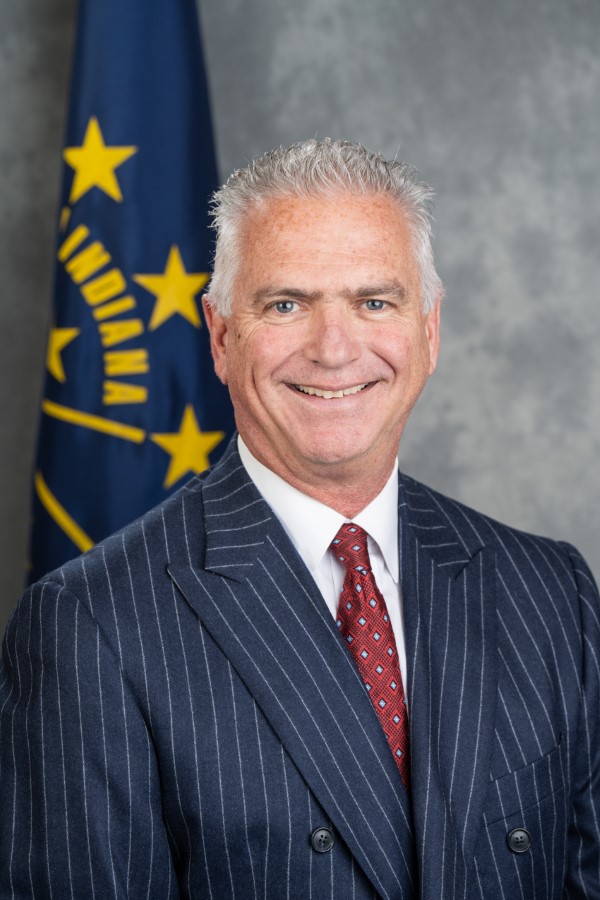
Rodney Pol
100% support rate
Top opponent
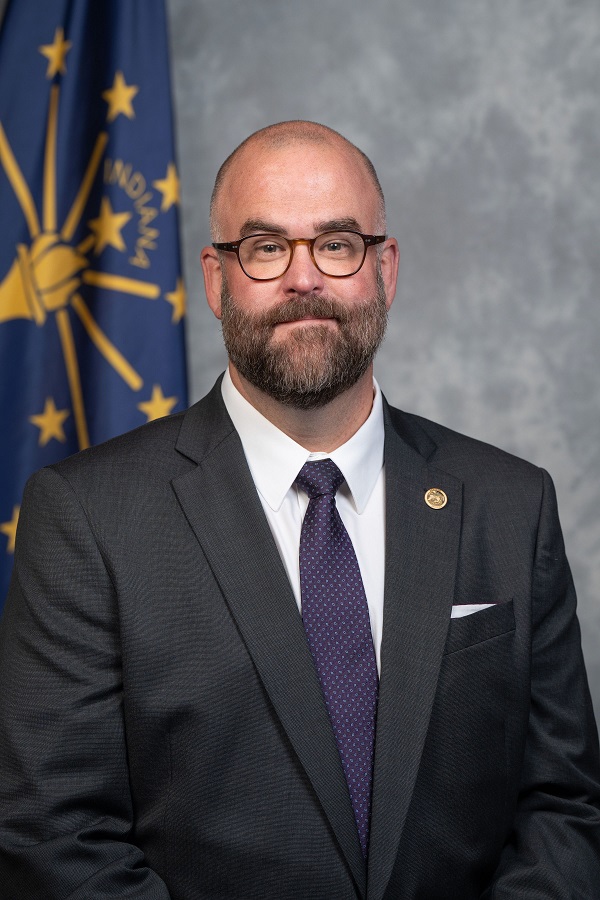
Ed Clere
0% support rate
Ranked legislators
10
5 support · 5 oppose
Key legislators

Who's moving law enforcement in Indiana

Legislators moving law enforcement in Indiana
Legislator Party Stance Support rate Votes
Rodney Pol
Rodney Pol Senate · District 4
D
Strong +
100% 3
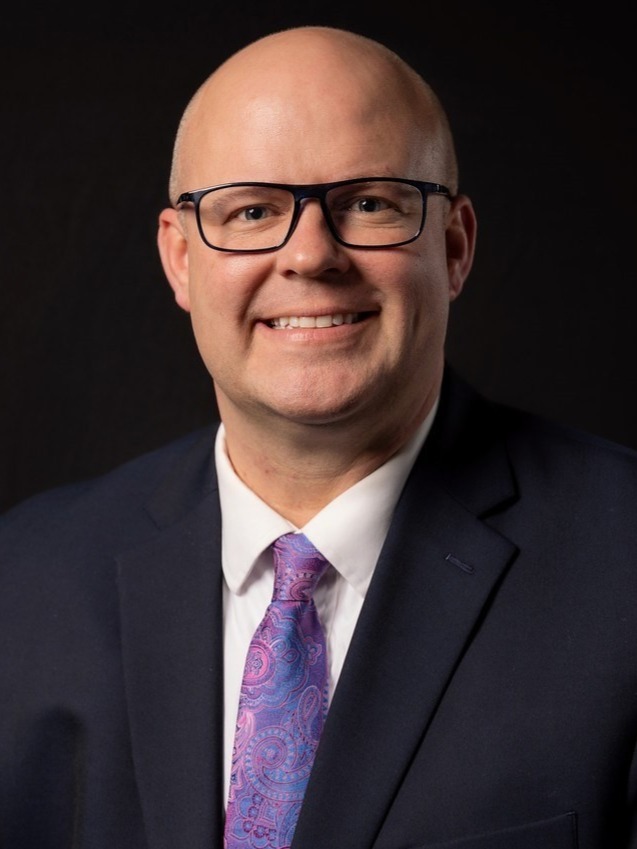
Eric Bassler
Eric Bassler Senate · District 39
R
Support
71% 7
Nick McKinley
Nick McKinley Senate · District 17
R
Support
71% 7
Greg Walker
Greg Walker Senate · District 41
R
Support
67% 9
Justin Busch
Justin Busch Senate · District 16
R
Support
67% 9
Ed Clere
Ed Clere House · District 72
I
Strong −
0% 5
Mike Aylesworth
Mike Aylesworth House · District 11
R
Strong −
0% 5
Elizabeth Rowray
Elizabeth Rowray House · District 35
R
Strong −
0% 3
Heath VanNatter
Heath VanNatter House · District 38
R
Strong −
0% 3
Ethan Manning
Ethan Manning House · District 23
R
Strong −
20% 5
Showing 1–10 of 11 bills

All criminal justice bills

signed · Indiana · House Mar 3, 2026

HB 1248: Advanced DNA testing for cold cases.

This bill creates a standardized process to determine eligibility for advanced DNA testing in unsolved cold cases. It directly affects law enforcement agencies handling unresolved crimes and potentially individuals wrongfully convicted in long-pending cases. The key provision establishes clear criteria for when DNA evidence can be retested using modern technology, replacing inconsistent past practices. This changes how cold case investigations are conducted by requiring law enforcement to follow specific, defined steps to request testing.
Sub-Topics Law Enforcement
in committee · Indiana · House Jan 6, 2026

HB 1320: Domestic violence reports.

Removes language concerning an affidavit from provisions concerning probable cause for battery and domestic battery. Requires a law enforcement officer to provide a victim who requests a protection order with the required forms and appropriate assistance in completing and filing the forms.
in committee · Indiana · House Jan 13, 2026

HB 1310: Domestic violence investigations.

Requires a law enforcement officer to administer a lethality assessment for domestic violence incidents. Requires data to be transmitted to a local domestic violence fatality review team and the statewide domestic violence fatality review committee. Provides that a law enforcement officer responding to the scene of an alleged crime involving domestic or family violence shall use all reasonable means to prevent further violence, including administering a lethality assessment. Provides that all statements communicated in a lethality assessment are not admissible as evidence against the victim in any judicial proceeding and not discoverable in any litigation. Provides that the statewide domestic violence fatality review committee shall collect and analyze data concerning domestic violence lethality assessments. Makes conforming changes.
in committee · Indiana · House Jan 6, 2026

HB 1298: Classification of marijuana and THC.

HB 1298 reclassifies marijuana and THC from Schedule I (the most restrictive category for drugs with no accepted medical use) to Schedule III (a less restrictive category with recognized medical uses) under state law. This change directly affects individuals using or selling marijuana, businesses operating cannabis businesses, and law enforcement handling related cases. The bill achieves this by updating the state's controlled substances schedule and making necessary adjustments to other laws that reference the old classification. As a result, marijuana and THC would be treated under a less restrictive legal framework, potentially easing some regulatory barriers.
in committee · Indiana · House Jan 5, 2026

HB 1172: Rape kits.

Requires the superintendent of the state police department to: (1) obtain data from law enforcement agencies concerning medical forensic examination kits in the agencies' possession; and (2) report a summary of the data to the legislative council.
in committee · Indiana · House Jan 8, 2026

HB 1367: Involuntary treatment of substance use disorder.

Allows an individual's spouse, legal guardian, friend, relative, or medical service provider to petition a court for involuntary substance use disorder treatment. Requires a petition to include certain information and allows a court to dismiss a petition, without prejudice, if it does not contain the required information. Requires the court to appoint a public defender if the individual subject to a petition seeking involuntary substance use disorder treatment is not represented by an attorney. Requires a court to order the individual to be evaluated by a medical provider if the court finds that: (1) the individual has a substance use disorder; (2) because of the individual's substance use disorder, the individual is experiencing impaired judgment and is unable to independently maintain the individual's activities of daily living or is a danger to self or others; and (3) the individual refuses to voluntarily participate in substance use disorder treatment. Allows a court to order a local law enforcement agency to consider whether an individual meets the criteria for emergency detention under certain circumstances. Requires a medical provider who completes an evaluation concerning an individual's need for substance use disorder treatment to submit the evaluation to the court. Specifies that after receiving an evaluation from a medical provider, the court may dismiss the petition or set a hearing for further evidence to be presented about the individual's need for substance use disorder treatment. Requires a court to order involuntary outpatient substance use disorder treatment for a period, not to exceed 90 days, if medical evidence supports that the individual requires immediate treatment for a substance use disorder and the individual has refused treatment.
in committee · Indiana · House Jan 5, 2026

HB 1123: Police investigations relating to prostitution.

Provides that, after June 30, 2026, a law enforcement agency may not authorize the use of public funds by a law enforcement officer to pay for or engage in sexual intercourse, other sexual conduct, or the fondling of the law enforcement officer's or another individual's genitals as part of an investigation of: (1) prostitution; (2) making an unlawful proposition; or (3) promoting prostitution as a Level 5 felony. Provides that a law enforcement officer who knowingly or intentionally: (1) engages in sexual intercourse or other sexual conduct with an individual; (2) has an individual fondle or agree to fondle the genitals of the law enforcement officer; or (3) fondles the genitals of an individual under certain circumstances relating to the law enforcement officer's official duties; commits unlawful sexual conduct by a law enforcement officer, a Level 5 felony. Makes exceptions.
in committee · Indiana · House Jan 8, 2026

HB 1073: Rape kit processing.

Requires the state police department (department) to use part of an appropriation from House Enrolled Act 1001 (2025) to process rape kits and to eliminate the backlog of untested rape kits. Permits the department to issue grants to law enforcement agencies and testing labs to eliminate the backlog of untested rape kits. Requires the department to make a report to the general assembly by October 1, 2027, concerning the status of untested rape kits.
in committee · Indiana · House Jan 5, 2026

HB 1094: Uniform recognition of Canadian protection orders.

Codifies the Uniform Recognition and Enforcement of Canadian Domestic Violence Protection Orders Act. Provides procedures for enforcement of a Canadian domestic violence protection order (protection order) by a law enforcement officer and the court. Provides that a protection order may be registered in Indiana.
in committee · Indiana · Senate Jan 12, 2026

SB 137: Involuntary treatment of substance use disorder.

Allows an individual's spouse, legal guardian, friend, relative, or medical service provider to petition a court for involuntary substance use disorder treatment. Requires a petition to include certain information and allows a court to dismiss a petition, without prejudice, if it does not contain the required information. Requires the court to appoint a public defender if the individual subject to a petition seeking involuntary substance use disorder treatment is not represented by an attorney. Requires a court to order the individual to be evaluated by a medical provider if the court finds that: (1) the individual has a substance use disorder; (2) because of the individual's substance use disorder, the individual is experiencing impaired judgment and is unable to independently maintain the individual's activities of daily living or is a danger to self or others; and (3) the individual refuses to voluntarily participate in substance use disorder treatment. Allows a court to order a local law enforcement agency to consider whether an individual meets the criteria for emergency detention under certain circumstances. Requires a medical provider who completes an evaluation concerning an individual's need for substance use disorder treatment to submit the evaluation to the court. Specifies that after receiving an evaluation from a medical provider, the court may dismiss the petition or set a hearing for further evidence to be presented about the individual's need for substance use disorder treatment. Requires a court to order involuntary outpatient substance use disorder treatment for a period, not to exceed 90 days, if medical evidence supports that the individual requires immediate treatment for a substance use disorder and the individual has refused treatment.
Showing 1 to 10 of 11 bills
1 2 Next