Issue · Criminal Justice

Criminal Justice (Drug Policy)

Every criminal justice bill, vote, and legislator stance in Indiana, automatically classified by Maddy, our AI policy reader.

Total bills
4
2026 Regular Session
Top supporter
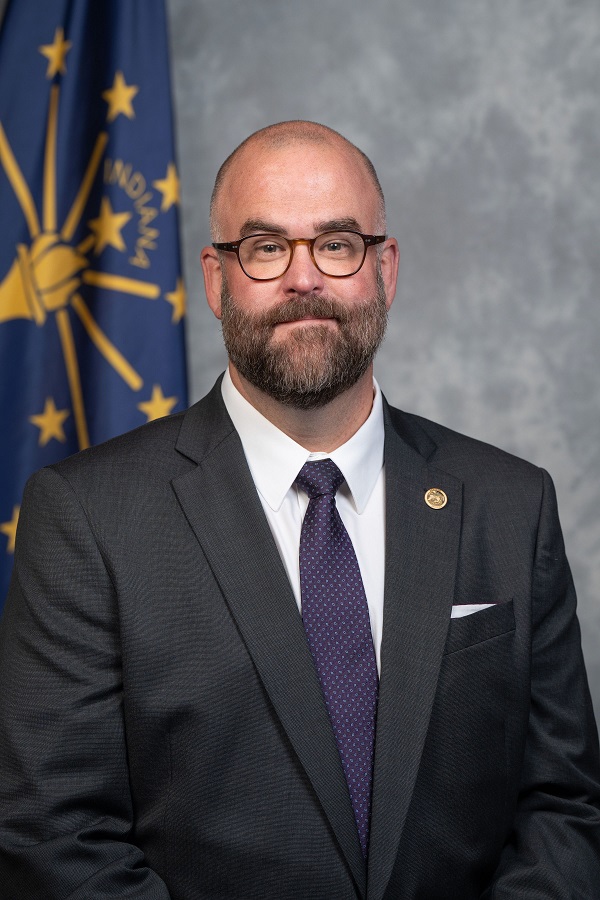
Andrea Hunley
100% support rate
Top opponent
Daryl Schmitt
0% support rate
Ranked legislators
10
5 support · 5 oppose
Key legislators

Who's moving drug policy in Indiana

Legislators moving drug policy in Indiana
Legislator Party Stance Support rate Decisive votes
Andrea Hunley
Andrea Hunley Senate · District 46
D
Strong +
100% 3
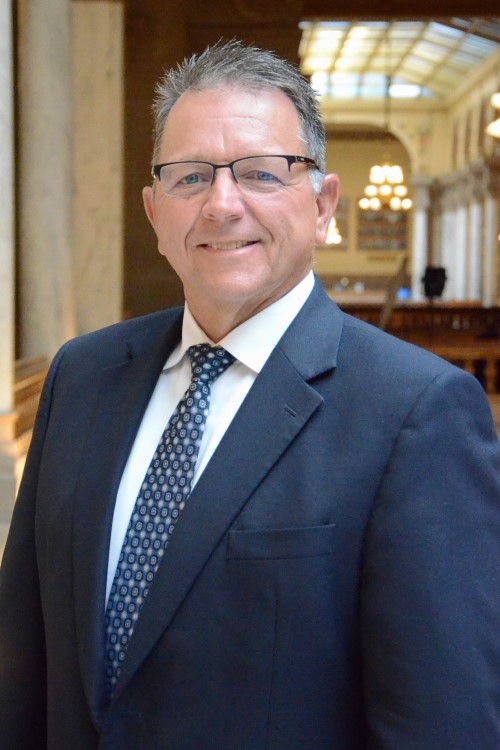
David Niezgodski
David Niezgodski Senate · District 10
D
Strong +
100% 3
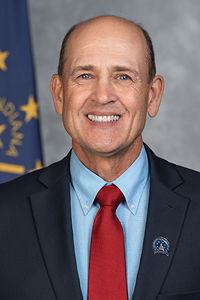
Eric Bassler
Eric Bassler Senate · District 39
R
Strong +
100% 3
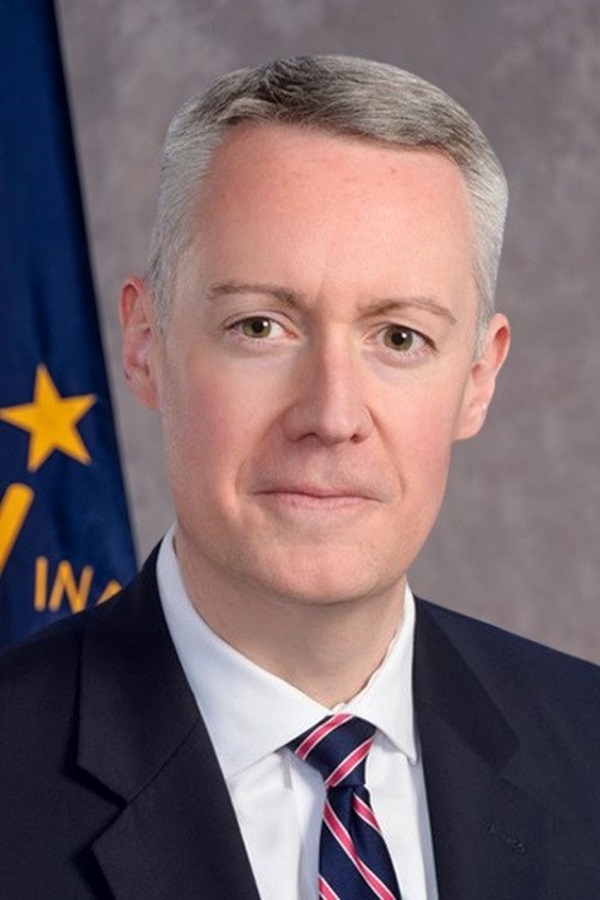
Greg Taylor
Greg Taylor Senate · District 33
D
Strong +
100% 3
Justin Busch
Justin Busch Senate · District 16
R
Strong +
100% 3
Daryl Schmitt
Daryl Schmitt Senate · District 48
R
Strong −
0% 3
Eric Koch
Eric Koch Senate · District 44
R
Strong −
0% 3
Gary Byrne
Gary Byrne Senate · District 47
R
Strong −
0% 3
Greg Goode
Greg Goode Senate · District 38
R
Strong −
0% 3
Jeff Raatz
Jeff Raatz Senate · District 27
R
Strong −
0% 3
Showing 4 of 4 bills

All criminal justice bills

in committee · Indiana · House Jan 5, 2026

HB 1183: Digital sexual image abuse.

Increases the penalty for the crime of distribution of an intimate image, from a Class A misdemeanor to a Level 6 felony, and increases the enhancement of this crime from a Level 6 felony to a Level 5 felony. Defines "digital sexual image" as a digital, computer generated image or video that is created or modified to depict: (1) sexual intercourse; (2) other sexual conduct; or (3) exhibition of certain body parts; of a quality, characteristic, or condition, such that it appears to depict an individual. Makes creation or possession of a digital sexual image a Class A misdemeanor and distribution of a digital sexual image a Level 6 felony.
Sub-Topics Drug Policy
in committee · Indiana · House Jan 5, 2026

HB 1182: Digital sexual image abuse.

Defines "digital sexual image" as a digital, computer generated image or video that is created or modified to depict: (1) sexual intercourse; (2) other sexual conduct; or (3) exhibition of certain body parts; of a quality, characteristic, or condition, such that it appears to depict an individual. Establishes the offenses of possession of a digital sexual image and distribution of a digital sexual image.
passed · Indiana · Senate Feb 23, 2026

SB 250: Regulation of hemp.

Defines "THC" for purposes of Indiana alcohol and tobacco law. Expands certain crimes concerning alcohol and tobacco, including crimes regarding possession by minors and sales to minors, to include products containing THC. Provides that a violation of the hemp derived cannabinoid products chapter is a deceptive act. Provides that the offense of aiding unlawful possession includes unlawful possession of a product containing THC. Provides that the alcohol and tobacco commission (commission) shall conduct random inspections of locations where products containing THC are sold. Allows law enforcement officers to engage minors who are at least 16 years of age to purchase THC products as part of a law enforcement action. Enacts provisions regulating the manufacture, distribution, sale, and transportation of hemp derived cannabinoid products (hemp derived cannabinoid products law). Requires the commission to enforce and administer the hemp derived cannabinoid products law. Provides for issuance of: (1) manufacturer permits; (2) distributor permits; (3) retail permits; and (4) carrier permits; for hemp derived cannabinoid products. Prohibits the sale of hemp derived cannabinoid products online or by delivery. Provides that a person issued a manufacturer permit may manufacture hemp derived cannabinoid products only in Indiana. Imposes packaging and labeling requirements for hemp derived cannabinoid products. Requires testing of hemp derived cannabinoid products and provides that the commission may spot test hemp derived cannabinoid products for compliance with the hemp derived cannabinoid products law. Specifies circumstances under which a hemp derived cannabinoid product shall be treated as if it is marijuana. Creates the hemp derived cannabinoid products fund and specifies purposes for which money in the fund shall be used. Imposes restrictions on advertising of hemp derived cannabinoid products. Imposes criminal penalties for violations of the hemp derived cannabinoid products law, and provides that a violation of the hemp derived cannabinoid products law is a deceptive act for purposes of Indiana law regarding deceptive consumer sales. Provides that for purposes of Indiana motor vehicle law: (1) "intoxicated" includes being under the influence of tetrahydrocannabinol; and (2) "schedule I drug" includes marijuana, hemp, and tetrahydrocannabinol. Provides that the state seed commissioner (commissioner) may issue hemp grower's licenses and hemp handler's licenses, and specifies licensure requirements and duties of licensees. Provides that the commissioner: (1) shall share information with the state police department regarding the commissioner's licensure of hemp growers and handlers; and (2) shall report specified information to the United States Secretary of Agriculture. Provides that Indiana's hemp growing programs may not operate above federal restrictions or limitations. Repeals chapters regarding: (1) distribution of low THC hemp extract; and (2) sale of low THC hemp extract. Provides that a retail establishment in which tobacco products and products containing THC (rather than tobacco products alone, under current law) account for 85% of the establishment's gross sales may not allow an individual under 21 years of age to enter the establishment. Adds federal definitions of certain hemp terms to the Indiana criminal code. Modifies definitions of "marijuana" and "smokable hemp" for purposes of the Indiana criminal code. Removes references to "delta-9-tetrahydrocannabinol" and "low THC hemp extract" in certain crimes. Provides that nothing in Indiana: (1) alcohol and tobacco law; or (2) agriculture law; may be construed under the "inclusio unius, exclusio alterius" canon of construction as legalizing marijuana. Specifies situations in which a product shall be treated as if it is marijuana. Makes an appropriation.
passed · Indiana · Senate Feb 12, 2026

SB 251: OWI penalties.

Provides that if a person has one prior OWI conviction, the court shall order that the person be imprisoned for at least 10 days or perform community service, and if a person has two prior OWI convictions, the court shall order that the person be imprisoned for at least 20 days or perform community service. Provides that a person receives good time credit while serving a sentence imposed under this statute (under current law, a person does not receive good time credit).Provides that this statute does not increase the maximum sentence for the offense as provided by either IC 35-50-2 or IC 35-50-3. Specifies that "vehicle", for purposes of the crime of operating while intoxicated, includes a watercraft, and repeals the separate crime of operating a motorboat while intoxicated. Provides that an initial hearing may be waived and allows a person to apply for a specialized driving privilege after an initial hearing. Adds operating while intoxicated due to use of a controlled substance to the habitual traffic violator statute. Authorizes the use of a roadside chemical test under certain circumstances. Specifies that ignition interlock devices may only be used when the underlying offense is operating while intoxicated resulting from the use of alcohol. Makes certain provisions concerning pretrial administrative suspension of driving privileges discretionary with the court.Provides that the budget director shall review and determine before December 31, 2026, whether federal highway administration funding to the state will or will not be reduced due to the amendment of provisions concerning administrative suspension of driving privileges. Requires the budget director to notify the budget committee of the determination and those provisions may not be implemented until after budget committee review. Makes conforming amendments.
Sub-Topics Courts Drug Policy