Issue · Criminal Justice

Criminal Justice (Law Enforcement)

Every criminal justice bill, vote, and legislator stance in Indiana, automatically classified by Maddy, our AI policy reader.

Total bills
18
2026 Regular Session
Top supporter
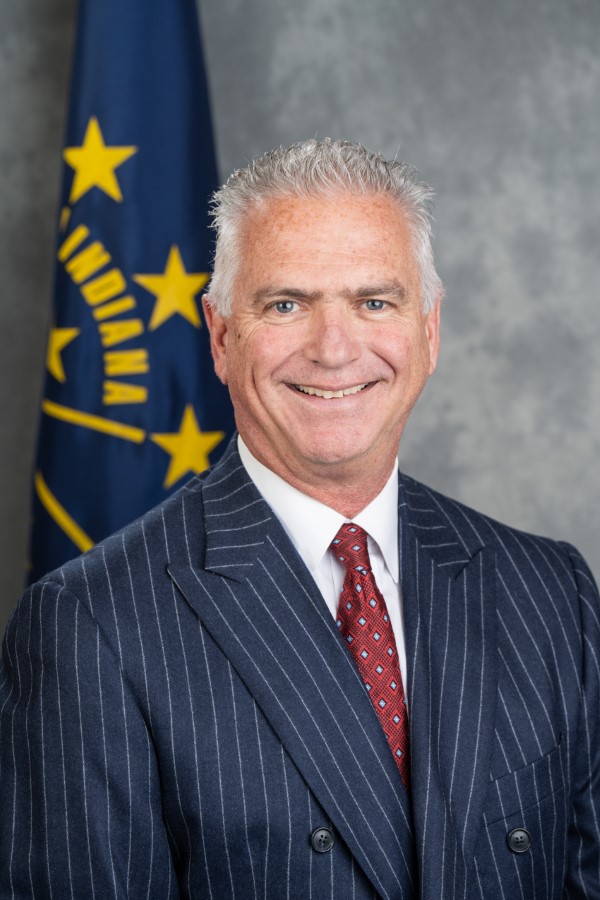
Rodney Pol
100% support rate
Top opponent
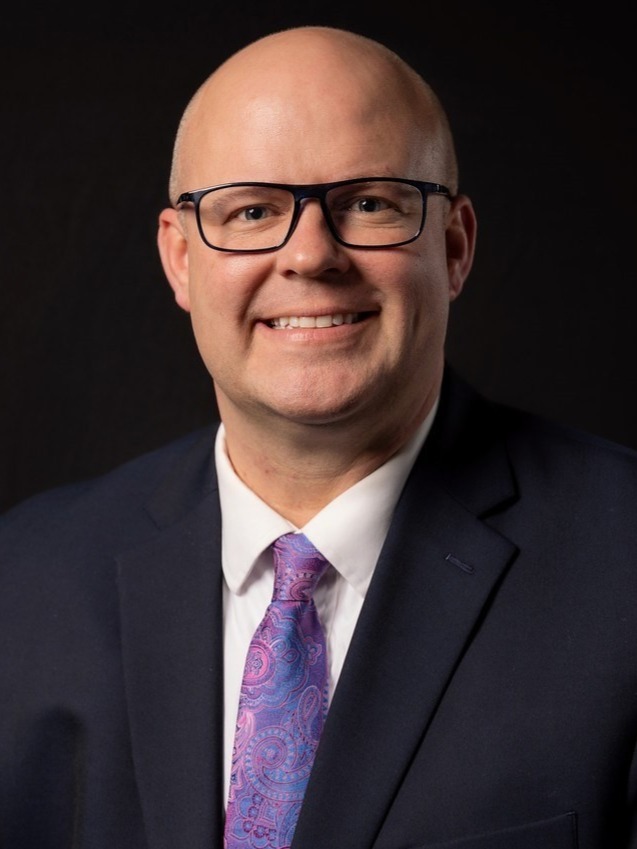
Ed Clere
0% support rate
Ranked legislators
10
5 support · 5 oppose
Key legislators

Who's moving law enforcement in Indiana

Legislators moving law enforcement in Indiana
Legislator Party Stance Support rate Votes
Rodney Pol
Rodney Pol Senate · District 4
D
Strong +
100% 3
Eric Bassler
Eric Bassler Senate · District 39
R
Support
71% 7
Nick McKinley
Nick McKinley Senate · District 17
R
Support
71% 7
Greg Walker
Greg Walker Senate · District 41
R
Support
67% 9
Justin Busch
Justin Busch Senate · District 16
R
Support
67% 9
Ed Clere
Ed Clere House · District 72
I
Strong −
0% 5
Mike Aylesworth
Mike Aylesworth House · District 11
R
Strong −
0% 5
Elizabeth Rowray
Elizabeth Rowray House · District 35
R
Strong −
0% 3
Heath VanNatter
Heath VanNatter House · District 38
R
Strong −
0% 3
Ethan Manning
Ethan Manning House · District 23
R
Strong −
20% 5
Showing 11–18 of 18 bills

All criminal justice bills

in committee · Indiana · House Jan 5, 2026

HB 1172: Rape kits.

Requires the superintendent of the state police department to: (1) obtain data from law enforcement agencies concerning medical forensic examination kits in the agencies' possession; and (2) report a summary of the data to the legislative council.
passed · Indiana · Senate Feb 23, 2026

SB 250: Regulation of hemp.

Defines "THC" for purposes of Indiana alcohol and tobacco law. Expands certain crimes concerning alcohol and tobacco, including crimes regarding possession by minors and sales to minors, to include products containing THC. Provides that a violation of the hemp derived cannabinoid products chapter is a deceptive act. Provides that the offense of aiding unlawful possession includes unlawful possession of a product containing THC. Provides that the alcohol and tobacco commission (commission) shall conduct random inspections of locations where products containing THC are sold. Allows law enforcement officers to engage minors who are at least 16 years of age to purchase THC products as part of a law enforcement action. Enacts provisions regulating the manufacture, distribution, sale, and transportation of hemp derived cannabinoid products (hemp derived cannabinoid products law). Requires the commission to enforce and administer the hemp derived cannabinoid products law. Provides for issuance of: (1) manufacturer permits; (2) distributor permits; (3) retail permits; and (4) carrier permits; for hemp derived cannabinoid products. Prohibits the sale of hemp derived cannabinoid products online or by delivery. Provides that a person issued a manufacturer permit may manufacture hemp derived cannabinoid products only in Indiana. Imposes packaging and labeling requirements for hemp derived cannabinoid products. Requires testing of hemp derived cannabinoid products and provides that the commission may spot test hemp derived cannabinoid products for compliance with the hemp derived cannabinoid products law. Specifies circumstances under which a hemp derived cannabinoid product shall be treated as if it is marijuana. Creates the hemp derived cannabinoid products fund and specifies purposes for which money in the fund shall be used. Imposes restrictions on advertising of hemp derived cannabinoid products. Imposes criminal penalties for violations of the hemp derived cannabinoid products law, and provides that a violation of the hemp derived cannabinoid products law is a deceptive act for purposes of Indiana law regarding deceptive consumer sales. Provides that for purposes of Indiana motor vehicle law: (1) "intoxicated" includes being under the influence of tetrahydrocannabinol; and (2) "schedule I drug" includes marijuana, hemp, and tetrahydrocannabinol. Provides that the state seed commissioner (commissioner) may issue hemp grower's licenses and hemp handler's licenses, and specifies licensure requirements and duties of licensees. Provides that the commissioner: (1) shall share information with the state police department regarding the commissioner's licensure of hemp growers and handlers; and (2) shall report specified information to the United States Secretary of Agriculture. Provides that Indiana's hemp growing programs may not operate above federal restrictions or limitations. Repeals chapters regarding: (1) distribution of low THC hemp extract; and (2) sale of low THC hemp extract. Provides that a retail establishment in which tobacco products and products containing THC (rather than tobacco products alone, under current law) account for 85% of the establishment's gross sales may not allow an individual under 21 years of age to enter the establishment. Adds federal definitions of certain hemp terms to the Indiana criminal code. Modifies definitions of "marijuana" and "smokable hemp" for purposes of the Indiana criminal code. Removes references to "delta-9-tetrahydrocannabinol" and "low THC hemp extract" in certain crimes. Provides that nothing in Indiana: (1) alcohol and tobacco law; or (2) agriculture law; may be construed under the "inclusio unius, exclusio alterius" canon of construction as legalizing marijuana. Specifies situations in which a product shall be treated as if it is marijuana. Makes an appropriation.
in committee · Indiana · House Jan 8, 2026

HB 1367: Involuntary treatment of substance use disorder.

Allows an individual's spouse, legal guardian, friend, relative, or medical service provider to petition a court for involuntary substance use disorder treatment. Requires a petition to include certain information and allows a court to dismiss a petition, without prejudice, if it does not contain the required information. Requires the court to appoint a public defender if the individual subject to a petition seeking involuntary substance use disorder treatment is not represented by an attorney. Requires a court to order the individual to be evaluated by a medical provider if the court finds that: (1) the individual has a substance use disorder; (2) because of the individual's substance use disorder, the individual is experiencing impaired judgment and is unable to independently maintain the individual's activities of daily living or is a danger to self or others; and (3) the individual refuses to voluntarily participate in substance use disorder treatment. Allows a court to order a local law enforcement agency to consider whether an individual meets the criteria for emergency detention under certain circumstances. Requires a medical provider who completes an evaluation concerning an individual's need for substance use disorder treatment to submit the evaluation to the court. Specifies that after receiving an evaluation from a medical provider, the court may dismiss the petition or set a hearing for further evidence to be presented about the individual's need for substance use disorder treatment. Requires a court to order involuntary outpatient substance use disorder treatment for a period, not to exceed 90 days, if medical evidence supports that the individual requires immediate treatment for a substance use disorder and the individual has refused treatment.
in committee · Indiana · House Jan 5, 2026

HB 1123: Police investigations relating to prostitution.

Provides that, after June 30, 2026, a law enforcement agency may not authorize the use of public funds by a law enforcement officer to pay for or engage in sexual intercourse, other sexual conduct, or the fondling of the law enforcement officer's or another individual's genitals as part of an investigation of: (1) prostitution; (2) making an unlawful proposition; or (3) promoting prostitution as a Level 5 felony. Provides that a law enforcement officer who knowingly or intentionally: (1) engages in sexual intercourse or other sexual conduct with an individual; (2) has an individual fondle or agree to fondle the genitals of the law enforcement officer; or (3) fondles the genitals of an individual under certain circumstances relating to the law enforcement officer's official duties; commits unlawful sexual conduct by a law enforcement officer, a Level 5 felony. Makes exceptions.
in committee · Indiana · House Jan 8, 2026

HB 1073: Rape kit processing.

Requires the state police department (department) to use part of an appropriation from House Enrolled Act 1001 (2025) to process rape kits and to eliminate the backlog of untested rape kits. Permits the department to issue grants to law enforcement agencies and testing labs to eliminate the backlog of untested rape kits. Requires the department to make a report to the general assembly by October 1, 2027, concerning the status of untested rape kits.
in committee · Indiana · House Jan 5, 2026

HB 1094: Uniform recognition of Canadian protection orders.

Codifies the Uniform Recognition and Enforcement of Canadian Domestic Violence Protection Orders Act. Provides procedures for enforcement of a Canadian domestic violence protection order (protection order) by a law enforcement officer and the court. Provides that a protection order may be registered in Indiana.
in committee · Indiana · Senate Jan 12, 2026

SB 137: Involuntary treatment of substance use disorder.

Allows an individual's spouse, legal guardian, friend, relative, or medical service provider to petition a court for involuntary substance use disorder treatment. Requires a petition to include certain information and allows a court to dismiss a petition, without prejudice, if it does not contain the required information. Requires the court to appoint a public defender if the individual subject to a petition seeking involuntary substance use disorder treatment is not represented by an attorney. Requires a court to order the individual to be evaluated by a medical provider if the court finds that: (1) the individual has a substance use disorder; (2) because of the individual's substance use disorder, the individual is experiencing impaired judgment and is unable to independently maintain the individual's activities of daily living or is a danger to self or others; and (3) the individual refuses to voluntarily participate in substance use disorder treatment. Allows a court to order a local law enforcement agency to consider whether an individual meets the criteria for emergency detention under certain circumstances. Requires a medical provider who completes an evaluation concerning an individual's need for substance use disorder treatment to submit the evaluation to the court. Specifies that after receiving an evaluation from a medical provider, the court may dismiss the petition or set a hearing for further evidence to be presented about the individual's need for substance use disorder treatment. Requires a court to order involuntary outpatient substance use disorder treatment for a period, not to exceed 90 days, if medical evidence supports that the individual requires immediate treatment for a substance use disorder and the individual has refused treatment.
in committee · Indiana · House Jan 5, 2026

HB 1121: Drug and alcohol testing.

Provides that a law enforcement agency that employs a law enforcement officer involved in an officer-involved shooting must administer alcohol and drug testing to the applicable law enforcement officer.
Showing 11 to 18 of 18 bills