Issue · Healthcare

Healthcare (Mental Health)

Every healthcare bill, vote, and legislator stance in Illinois, automatically classified by Maddy, our AI policy reader.

Total bills
142
104th Regular Session
Top supporter
Bob Morgan
100% support rate
Top opponent
David Friess
0% support rate
Ranked legislators
10
5 support · 5 oppose
Key legislators

Who's moving mental health in Illinois

Legislators moving mental health in Illinois
Legislator Party Stance Support rate Votes
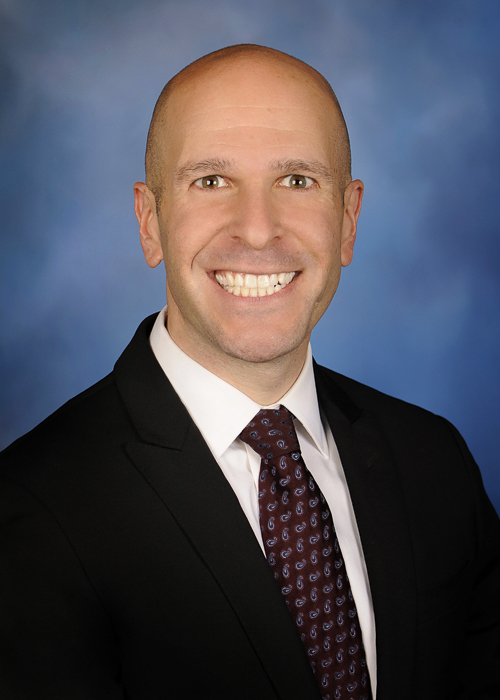
Bob Morgan
Bob Morgan House · District 58
D
Strong +
100% 17
Angie Guerrero-Cuellar
Angie Guerrero-Cuellar House · District 22
D
Strong +
100% 15
Tracy Katz Muhl
Tracy Katz Muhl House · District 57
D
Strong +
100% 14
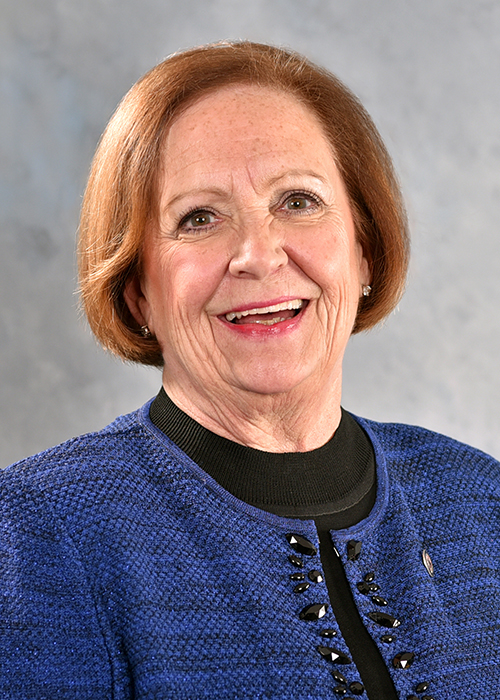
Michelle Mussman
Michelle Mussman House · District 56
D
Strong +
100% 13
Gregg Johnson
Gregg Johnson House · District 72
D
Strong +
100% 12
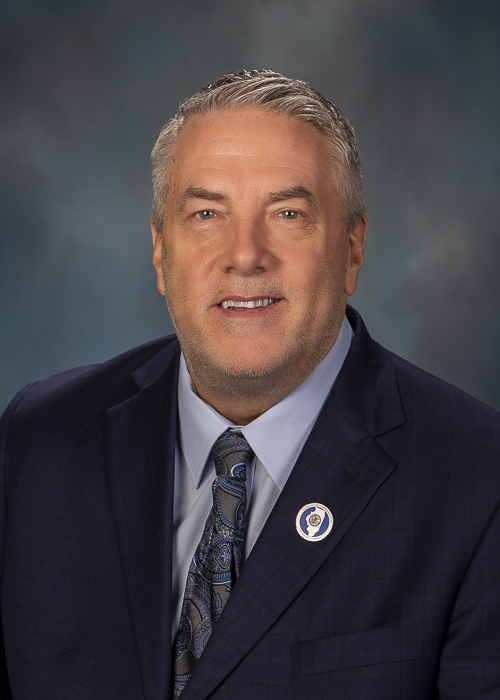
David Friess
David Friess House · District 115
R
Strong −
0% 12
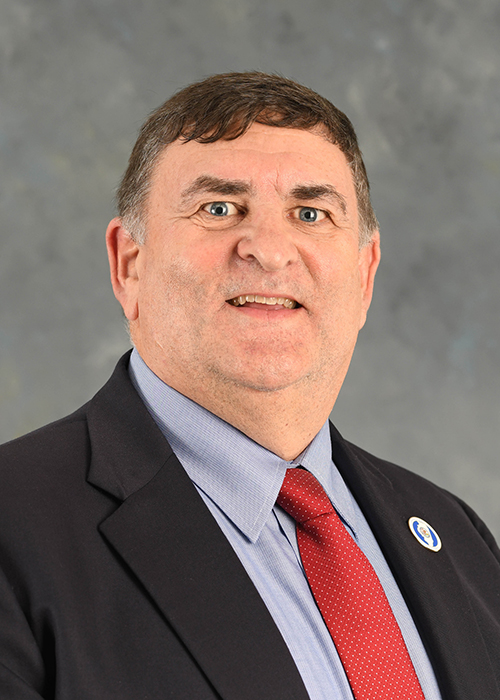
Jed Davis
Jed Davis House · District 75
R
Strong −
0% 12
Dave Severin
Dave Severin House · District 116
R
Strong −
0% 11
Joe Sosnowski
Joe Sosnowski House · District 69
R
Strong −
0% 11
Norine Hammond
Norine Hammond House · District 94
R
Strong −
0% 11
Showing 11–20 of 142 bills

All healthcare bills

in committee · Illinois · Senate May 22, 2026

SB 3754: MEDICAID-SNF-MIUR/LOW VOL EXT

Amends the Hospital Services Trust Fund Article of the Illinois Public Aid Code. In provisions requiring the Department of Healthcare and Family Services to (i) pay safety-net hospitals a health care equity add-on payment that is based on such hospitals' Medicaid inpatient utilization rate and (ii) pay safety-net hospitals a low volume add-on payment of $200 for each inpatient General Acute and Psychiatric day of care, removes the December 31, 2026 sunset dates for such add-on payments. Effective immediately.
signed · Illinois · Senate Aug 7, 2026

SB 3798: MENTAL HEALTH 9-1-1 CALLS

Amends the Community Emergency Services and Support Act. Replaces all references to the Division of Mental Health of the Department of Human Services with the Department of Human Services throughout the Act. Provides that 9-1-1 public safety answering points shall screen specific types of law enforcement calls and follow approved protocols and processes under the Act to identify callers experiencing behavioral health crises and to refer them for a behavioral health response. Provides that 9-1-1 public safety answering points shall open and follow the emergency medical dispatch protocols established under the Emergency Medical Services (EMS) Systems Act at the start of all emergency calls to ensure the protocols are used and applied consistently and uniformly to ensure that information related to behavioral health emergency calls is available for data collection and can be used to determine which calls should be referred for a behavioral health response. Provides that, among other things, each Regional Advisory Committee or subregional committee must (1) review regional and subregional crisis response system capacities and resources to inform planning and implementation and to foster collaboration across all sectors of the system and (2) determine the need for and make a plan to support local communities to develop and use other resources to create additional mobile mental health relief provider services to expand the capacity to provide more immediate service coverage. Amends the Emergency Telephone System Act. Provides that, beginning July 1, 2027, all public safety answering points shall use the protocols established under the Community Emergency Services and Support Act to identify behavioral and mental health-related emergencies that do not require a law enforcement response. Amends the Illinois State Police Law. Amends the Illinois Police Training Act. Provides that Crisis Intervention Team (CIT) training programs shall include, among other things, community response options including, the community response options under the Community Emergency Services and Support Act. Makes other changes.
Sub-Topics Law Enforcement Policing Mental Health Tags Public Safety
in committee · Illinois · House May 15, 2026

HB 5468: MENTAL HEALTH 9-1-1 CALLS

Amends the Community Emergency Services and Support Act. Replaces all references to the Division of Mental Health of the Department of Human Services with the Department of Human Services throughout the Act. Provides that 9-1-1 public safety answering points shall screen specific types of law enforcement calls and follow approved protocols and processes under the Act to identify callers experiencing behavioral health crises and to refer them for a behavioral health response. Provides that 9-1-1 public safety answering points shall open and follow the emergency medical dispatch protocols established under the Emergency Medical Services (EMS) Systems Act at the start of all emergency calls to ensure the protocols are used and applied consistently and uniformly to ensure that information related to behavioral health emergency calls is available for data collection and can be used to determine which calls should be referred for a behavioral health response. Provides that, among other things, each Regional Advisory Committee or subregional committee must (1) review regional and subregional crisis response system capacities and resources to inform planning and implementation and to foster collaboration across all sectors of the system and (2) determine the need for and make a plan to support local communities to develop and use other resources to create additional mobile mental health relief provider services to expand the capacity to provide more immediate service coverage. Amends the Emergency Telephone System Act. Provides that, beginning July 1, 2027, all public safety answering points shall use the protocols established under the Community Emergency Services and Support Act to identify behavioral and mental health-related emergencies that do not require a law enforcement response. Amends the Illinois State Police Law. Amends the Illinois Police Training Act. Provides that Crisis Intervention Team (CIT) training programs shall include, among other things, community response options including, the community response options under the Community Emergency Services and Support Act. Makes other changes.
Sub-Topics Law Enforcement Policing Mental Health Tags Public Safety
passed · Illinois · House Apr 20, 2026

HB 5258: DHFS-MTAC-NETWORK RECRUITMENT

Amends the Medicaid Technical Assistance Act. Requires the Medicaid Technical Assistance Center to collaborate with public and private partners throughout the State to identify, establish, and maintain best practices necessary for health providers to ensure their capacity to participate in the Illinois Medical Assistance Program (rather than ensure their capacity to participate in HealthChoice Illinois or YouthCare). Requires the Medicaid Technical Assistance Center to promote equitable delivery systems, remaining committed to the principle that all Medicaid recipients have accessible and equitable physical and mental health care services. Removes provisions concerning the Medicaid Technical Assistance Center's administration of network adequacy reports, and instead requires the Medicaid Technical Assistance Center to administer a network recruitment plan. Provides that by using reports and data provided by the Department of Healthcare and Family Services’ External Quality Review Organization on network adequacy, provider service deserts, and health care disparities by race and ethnicity, the Medicaid Technical Assistance Center shall propose for Department review and approval an annual plan for recruiting providers to participate in the Illinois Medical Assistance Program and report on outcomes of its recruitment efforts to the Department for continuous improvement. Repeals a provision requiring the Department to maximize federal financial participation for any moneys appropriated to the Department for the Medicaid Technical Assistance Center and to deposit all federal financial participation funds into the Medicaid Technical Assistance Center Fund. Repeals a provision creating the Medicaid Technical Assistance Center Fund. Amends the State Finance Act. Provides for the dissolution of the Medicaid Technical Assistance Center Fund on July 1, 2026, or as soon thereafter as practical, after the transfer of all remaining funds into the Healthcare Provider Relief Fund. Effective July 1, 2026.
Sub-Topics Medicaid Mental Health
in committee · Illinois · House Mar 27, 2026

HB 5509: DHFS-FFS SUPPLEMENTAL PAYMENTS

Amends the Hospital Provider Funding Article of the Illinois Public Aid Code. Provides that, beginning January 1, 2027, if an Illinois freestanding psychiatric hospital reopens a previously closed hospital facility within 4 calendar years of that hospital facility's closure, and the previously closed hospital facility qualified for fee-for-service supplemental payments, then the Illinois freestanding psychiatric hospital shall receive an annual payment equal to $200 per covered inpatient day contained in paid fee-for-service claims and $200 per paid fee-for-service outpatient claim for dates of service of the closed hospital facility in Calendar Year 2019 in the Department of Healthcare and Family Services' Enterprise Data Warehouse as of May 11, 2020. Provides that "closed hospital facility" includes hospitals that have been terminated from participation in the medical assistance program. Effective immediately.
in committee · Illinois · Senate May 22, 2026

SB 3714: DHS-BALC ANNUAL PUBLICATION

Amends the Mental Health and Developmental Disabilities Administrative Act. Requires the Department of Human Service to publish annually, beginning January 1, 2027, the assessment instruments used by the Department's Bureau of Accreditation, Licensure, and Certification to survey and license providers of community-integrated living arrangement homes for individuals with intellectual or developmental disabilities. Requires rulemaking. Effective immediately.
in committee · Illinois · Senate May 22, 2026

SB 4012: MEDICAID-MIUR-MENTAL HLTH

Amends the Medical Assistance Article of the Illinois Public Aid Code. Provides that beginning October 1, 2026, for rate year 2027 and thereafter, the Medicaid inpatient utilization rate, as defined and used in the determination of eligibility for specified inpatient adjustment payments to hospitals, shall be modified to exclude, from both the numerator and denominator, all days reimbursed by the Department of Human Services for mental health services provided under a specified provision of the Code of Criminal Procedure of 1963 as contracted by the Department of Healthcare and Family Services. Effective immediately.
Sub-Topics Medicaid Mental Health
signed · Illinois · Senate Jul 31, 2026

SB 3434: DHS-COMMUNITY DAY SERVICES

Amends the Community Services Act. Adds community day services to the list of service categories covered under the Act. Defines "community day services" to mean a Home and Community-Based Waiver day program that is certified by the Department of Human Services and provides assistance with gaining, maintaining, or improving skills and functioning to individuals with developmental disabilities. Makes conforming changes to the Mental Health and Developmental Disabilities Administrative Act.
Sub-Topics Mental Health
in committee · Illinois · Senate May 22, 2026

SB 3587: MEDICAID-SNH-LOW VOL ADJUSTER

Amends the Hospital Services Trust Fund Article of the Illinois Public Aid Code. In provisions requiring the Department of Healthcare and Family Services to pay safety-net hospitals a low volume add-on payment of $200 for each inpatient General Acute and Psychiatric day of care, removes the December 31, 2026 sunset date for such add-on payments. Effective immediately.
in committee · Illinois · House May 13, 2026

HB 4785: DHS-BEHAVIORAL HLTH SURCHARGE

Creates the Preventing Crisis Cost Shifting to Medicaid Act. Provides that the General Assembly finds that (i) behavioral health crisis services, including crisis call centers, mobile crisis response, and crisis stabilization and receiving services, function as essential public health infrastructure and must be available statewide without regard to insurance status; and (ii) commercial health insurance policies issued or administered in the State generally do not provide comprehensive coverage for the full continuum of behavioral health crisis services, resulting in the cost of such services being disproportionately borne by Medicaid, local governments, and taxpayers. Requires specified entities (surcharge payors) that are authorized to issue or administer a policy or contract of accident and health insurance or a health maintenance organization contract in the State to pay a behavioral health crisis assessment to the Department of Human Services for deposit into the Statewide 9-8-8 Trust Fund. Exempts Medicaid managed care organizations from paying the behavioral health crisis assessment. Permits the Department to update the total behavioral health crisis assessment amount as necessary to ensure the continued availability, quality, or geographic equity of the statewide behavioral health crisis system. Requires the Department to establish an appropriate mechanism for enforcing a surcharge payor's liability, which may include accrued interest on unpaid liabilities at a rate not to exceed 18% per annum and late fees or penalties at a rate not to exceed 5% per month. Provides that the enforcement mechanism may also include notification to the Department of Healthcare and Family Services to offset payments on the surcharge payor's claims. Provides that the Department of Human Services shall not direct the Department of Healthcare and Family Services to offset claims payments unless the surcharge payor has maintained an outstanding liability to the Statewide 9-8-8 Trust Fund for a period longer than 45 days and has received proper notice of pending enforcement.
Showing 11 to 20 of 142 bills