Issue · Healthcare

Healthcare

Every healthcare bill, vote, and legislator stance in Illinois, automatically classified by Maddy, our AI policy reader.

Total bills
64
119th Congress
Top supporter
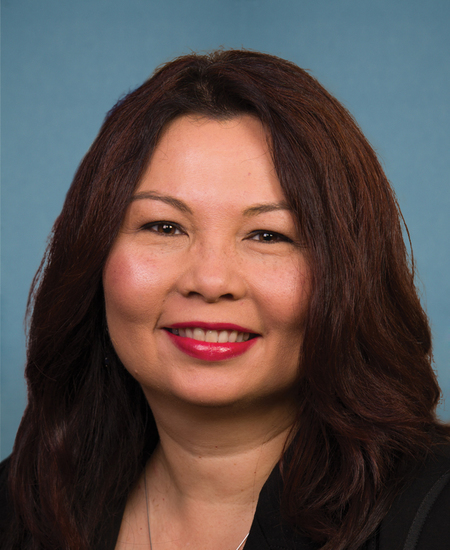
Tammy Duckworth
75% support rate
Top opponent
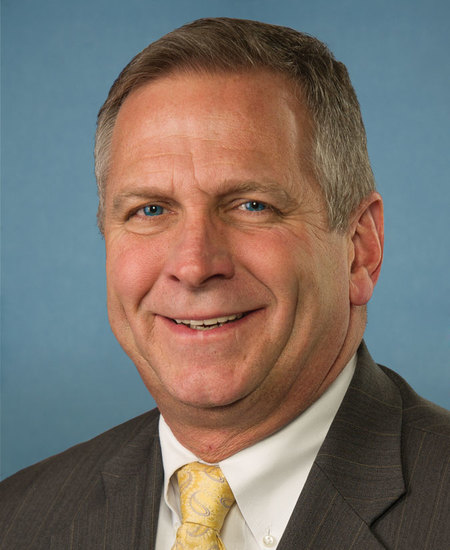
Mary E. Miller
33% support rate
Ranked legislators
8
5 support · 3 oppose
Key legislators

Who's moving healthcare in Illinois

Legislators moving healthcare in Illinois
Legislator Party Stance Support rate Votes
Tammy Duckworth
Tammy Duckworth Senate
D
Support
75% 212
Raja Krishnamoorthi
Raja Krishnamoorthi House · District 8
D
Support
67% 210
Jesús G. "Chuy" García
Jesús G. "Chuy" García House · District 4
D
Support
67% 209
Sean Casten
Sean Casten House · District 6
D
Support
67% 210
Delia C. Ramirez
Delia C. Ramirez House · District 3
D
Support
67% 205
Mary E. Miller
Mary E. Miller House · District 15
R
Oppose
33% 205
Mike Bost
Mike Bost House · District 12
R
Oppose
39% 210
Darin LaHood
Darin LaHood House · District 16
R
Mixed −
47% 207
Showing 1–10 of 64 bills

All healthcare bills

in committee · United States · House Jun 24, 2026

HR 9421: Ban Abortion by Mail Act

This bill, titled the Ban Abortion by Mail Act, aims to restrict how abortion medications like mifepristone are prescribed by requiring an in-person visit between the patient and the doctor. It directly affects health care providers who are currently certified by the FDA to dispense these drugs, threatening their certification status if they prescribe them without a physical examination or to patients living in states where the provider lacks a medical license. The legislation mandates that the FDA report annually to Congress on any providers who lose this certification due to violations or unsafe prescribing practices. By enforcing these specific conditions, the bill seeks to ensure that all prescriptions for abortion drugs are administered under strict supervision and within the legal boundaries of the patient's state.
in committee · United States · Senate Jul 16, 2026

SJRES 198: A joint resolution providing for congressional disapproval under chapter 8 of title 5, United States Code, of the rule submitted by the Centers for Medicare & Medicaid Services of the Department of Health and Human Services relating to "Medicare Program; Implementation of Prior Authorization for Select Services for the Wasteful and Inappropriate Services Reduction (WISeR) Model".

This joint resolution seeks to officially disapprove a specific rule issued by the Centers for Medicare & Medicaid Services regarding the implementation of prior authorization for certain Medicare services. The proposed action would prevent the rule, known as the WISeR Model, from taking effect, thereby stopping the new requirements from being enforced. If passed, the resolution would nullify the regulation and maintain the status quo for the affected healthcare services.
Sub-Topics Medicaid Medicare
in committee · United States · Senate Jul 14, 2026

SJRES 197: A joint resolution providing for congressional disapproval under chapter 8 of title 5, United States Code, of the rule submitted by the Centers for Medicare & Medicaid Services of the Department of Health and Human Services relating to "Patient Protection and Affordable Care Act, HHS Notice of Benefit and Payment Parameters for 2027; and Basic Health Program".

This joint resolution seeks to formally disapprove a specific rule issued by the Centers for Medicare & Medicaid Services regarding the Affordable Care Act and the Basic Health Program for 2027. If passed, the measure would nullify the rule, preventing it from taking legal effect. The bill directly impacts the administration of healthcare benefits and payment parameters for the upcoming year. It is sponsored by a group of Democratic senators and is intended to halt the implementation of the agency's proposed changes.
Sub-Topics Medicaid Medicare
in committee · United States · House Jun 18, 2026

HJRES 197: Providing for congressional disapproval under chapter 8 of title 5, United States Code, of the rule submitted by the Centers for Medicare & Medicaid Services of the Department of Health and Human Services relating to "Patient Protection and Affordable Care Act, HHS Notice of Benefit and Payment Parameters for 2027; and Basic Health Program".

This joint resolution expresses Congress's disapproval of a specific federal rule issued by the Centers for Medicare & Medicaid Services regarding the Affordable Care Act and the Basic Health Program for 2027. If passed, the measure would legally nullify the rule, preventing it from taking effect. The bill directly impacts the administration of healthcare benefits and payment parameters for the upcoming year by rejecting the proposed guidelines.
Sub-Topics Medicaid Medicare
in committee · United States · House Apr 29, 2026

HR 8573: STOP Act

The STOP Act prohibits healthcare providers and others from performing gender transition procedures on minors under 18, defining these procedures broadly to include hormone treatments, surgeries, and puberty blockers. The bill allows for exceptions in cases of disorders of sex development, acute physical injuries, or precocious puberty, but imposes federal civil penalties of at least $100,000 for violations. Additionally, the legislation establishes a federal grant program to fund nonprofit organizations that provide detransition services, education, and mental health support to individuals seeking to reverse gender transition procedures.
Sub-Topics Mental Health
in committee · United States · House Apr 30, 2026

HR 8603: Dismemberment Abortion Ban Act of 2026

HR 8603, the Dismemberment Abortion Ban Act of 2026, prohibits physicians from performing abortions that involve dismembering an unborn child and extracting it piece by piece or crushed from the uterus. The law allows exceptions only when the procedure is necessary to save the mother's life, while explicitly permitting other abortion methods for reasons such as rape or incest. It imposes criminal penalties of up to two years in prison or fines on physicians who violate the ban and creates a civil lawsuit system where women or parents of minors can seek monetary damages and attorney fees against providers. The bill also defines an 'unborn child' as a human organism from fertilization until birth and clarifies that the woman undergoing the procedure cannot be prosecuted or held financially liable.
Sub-Topics Women's Health
in committee · United States · Senate Jun 9, 2026

SJRES 192: A joint resolution providing for congressional disapproval under chapter 8 of title 5, United States Code, of the rule submitted by the Centers for Medicare & Medicaid Services of the Department of Health and Human Services relating to "Medicare Program; Implementation of Prior Authorization for Select Services for the Wasteful and Inappropriate Services Reduction (WISeR) Model".

This joint resolution seeks to reject a specific federal rule issued by the Centers for Medicare & Medicaid Services regarding the WISeR Model, which was designed to reduce wasteful spending by requiring prior authorization for select Medicare services. If passed, the measure would legally nullify the rule, preventing the Centers for Medicare & Medicaid Services from enforcing the new prior authorization requirements on healthcare providers. The bill directly affects Medicare beneficiaries and medical facilities that would otherwise have to comply with these administrative changes. By invoking the Congressional Review Act, the legislation aims to stop the implementation of the policy without altering the underlying statute governing Medicare.
Sub-Topics Medicaid Medicare
in committee · United States · House Mar 12, 2026

HR 7902: Safeguarding Women from Chemical Abortion Act

This bill, titled the Safeguarding Women from Chemical Abortion Act, aims to revoke federal approval for the drug mifepristone (also known as RU-486) for use in terminating pregnancies. If enacted, the Food and Drug Administration's approval for mifepristone for this indication would be withdrawn within 14 days, making its introduction into interstate commerce for pregnancy termination a violation of federal law. Additionally, the bill establishes a new federal right for individuals to sue manufacturers of mifepristone if they experience bodily injury or harm to mental health attributed to its use for pregnancy termination. This legislation directly affects drug manufacturers, distributors, healthcare providers, and individuals seeking or having used medication abortion.
in committee · United States · House Mar 12, 2026

HR 7920: Take Back Our Hospitals Act of 2026

This bill, titled the Take Back Our Hospitals Act of 2026, would prohibit Medicare from paying hospitals or skilled nursing facilities owned or controlled by private equity funds, real estate investment trusts, or corporations owned by those funds. The law defines control as owning 10 percent or more of voting securities or having the power to direct management and policies through contracts or other means. Facilities currently owned by these firms would have a three-year transition period before the prohibition takes full effect. The bill also establishes joint and several liability, meaning the owning firm would be responsible for any penalties if the facility violates the rule, and provides for notice, hearings, and judicial review for affected facilities.
in committee · United States · House Mar 18, 2026

HR 7983: Clean Water for All Life Act

This bill, titled the Clean Water for All Life Act, would amend federal criminal law to prohibit chemical abortions unless a healthcare provider is physically present during the procedure. It directly affects individuals who prescribe, administer, or assist with chemical abortion drugs like mifepristone and misoprostol by making it a federal crime to provide these services without a physical exam and the provider's presence. The law requires that patients receive a catch kit and red bag medical waste container with disposal instructions, and it defines an unborn child as beginning at fertilization. Violations could result in up to five years in prison and a $50,000 fine for each occurrence. The bill does not address other forms of abortion or change existing state laws.
Showing 1 to 10 of 64 bills
1 2 3 7 Next