Issue · Criminal Justice

Criminal Justice (Sentencing)

Every criminal justice bill, vote, and legislator stance in Illinois, automatically classified by Maddy, our AI policy reader.

Total bills
42
104th Regular Session
Top supporter
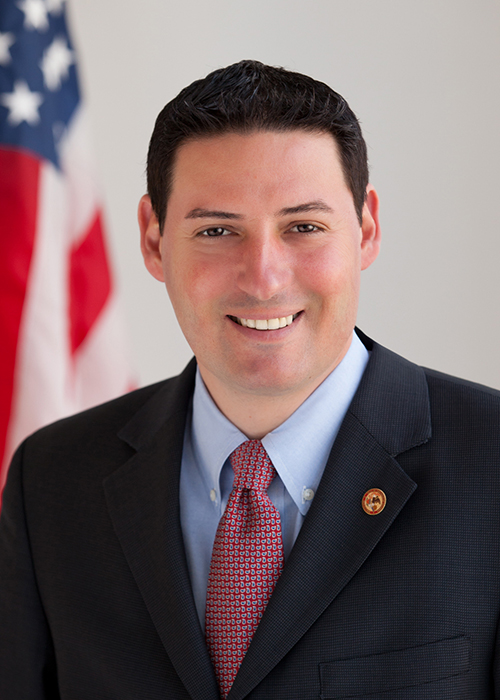
Lilian Jiménez
100% support rate
Top opponent
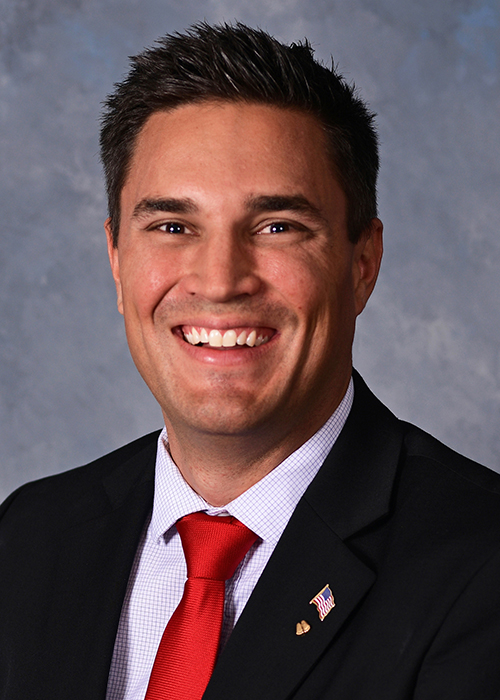
David Friess
0% support rate
Ranked legislators
10
5 support · 5 oppose
Key legislators

Who's moving sentencing in Illinois

Legislators moving sentencing in Illinois
Legislator Party Stance Support rate Votes
LJ
Lilian Jiménez House · District 4
D
Strong +
100% 13
Lisa Davis
Lisa Davis House · District 32
D
Strong +
100% 13
Maurice West
Maurice West House · District 67
D
Strong +
100% 12
Mike Crawford
Mike Crawford House · District 31
D
Strong +
100% 12
Kimberly Du Buclet
Kimberly Du Buclet House · District 5
D
Strong +
100% 11
David Friess
David Friess House · District 115
R
Strong −
0% 15
Patrick Windhorst
Patrick Windhorst House · District 117
R
Strong −
0% 15
Dave Severin
Dave Severin House · District 116
R
Strong −
0% 11
Adam Niemerg
Adam Niemerg House · District 102
R
Strong −
0% 7
John Cabello
John Cabello House · District 90
R
Strong −
0% 7
Showing 31–40 of 42 bills

All criminal justice bills

in committee · Illinois · House Jan 6, 2026

HB 4130: CD CORR-HOME DETENTION

Amends the Electronic Monitoring and Home Detention Article of the Unified Code of Corrections. Deletes language providing that confinement need not be 24 hours per day to qualify as home detention and significant restrictions on liberty such as 7 p.m. to 7 a.m. curfews shall qualify. Also deletes language providing that home confinement may or may not be accompanied by electronic monitoring and electronic monitoring is not required for purposes of sentencing credit.
Sub-Topics Sentencing
in committee · Illinois · Senate Feb 11, 2025

SB 1215: GUN CRIME CHARGE & SENTENCING

Creates the Gun Crime Charging and Sentencing Accountability and Transparency Act. Provides that in a criminal case, if a defendant is charged with an offense involving the illegal use or possession of a firearm and subsequently enters into a plea agreement in which the charge will be reduced to a lesser offense or a non-weapons offense in exchange for a plea of guilty, at or before the time of sentencing, the State's Attorney shall file with the court a written statement of his or her reasons in support of the plea agreement, which shall specifically state why the offense or offenses of conviction resulting from the plea agreement do not include the originally charged weapons offense. Provides that the written statement shall be part of the court record in the case and a copy shall be provided to any person upon request. Provides that in a criminal case in which the original charge is or was for an offense involving the illegal use or possession of a firearm, if a defendant pleads guilty or is found guilty of the original charge or lesser offense or a non-weapons offense, in imposing the sentence, the judge shall set forth in a written sentencing order his or her reasons for imposing the sentence or accepting the plea agreement. Provides that a copy of the written sentencing order shall be provided to any person upon request.
in committee · Illinois · House Mar 21, 2025

HB 1241: SENTENCING-DEFENDANT UNDER 21

Amends the Unified Code of Corrections. Provides that, except for certain types of first degree murder, the court may, in its discretion, sentence a defendant who was under 21 years of age at the time of the commission of the offense to a sentence that is less than the applicable minimum determinate sentence of imprisonment for the offense authorized by the Code. Provides that the court, at the sentencing hearing, shall consider certain mitigating factors when a person commits an offense and the person is under 21 (rather than 18) years of age at the time of the commission of the offense. Effective immediately.
Sub-Topics Sentencing
in committee · Illinois · House Apr 10, 2025

HB 4040: EMERGING ADULT SENTENCING

Creates the Emerging Adult Sentencing Act. Provides that upon a conviction by way of plea or otherwise finding of guilt, and with the express agreement of the State's Attorney and the defendant, the court may sentence a person who meets the eligibility requirements under the Act to a term of probation to be performed at a community-based residential workforce development center for a period of not less than one year and not more than 3 years in lieu of incarceration in the Illinois Department of Corrections. Provides that the defendant shall be monitored by the adult probation department. Provides that the defendant shall: (1) not violate any criminal statute of the State or any other jurisdiction; (2) refrain from possessing a firearm or any other dangerous weapon; and (3) attend and participate in any program activities as detailed in the individualized service plan. Provides that a defendant is eligible for the program if the person is between the ages 18 through 25, at the time of the commission of the offense, and is convicted of specified felony offenses in which a period of incarceration must be imposed, other than a sentence of natural life. Provides that prior criminal history shall not preclude eligibility for sentencing under the Act. Provides that upon successful fulfillment of the terms and conditions of probation, the court shall discharge the person from probation. Provides that if the person has not previously been granted a vacation of judgment, upon motion, the court shall vacate the judgment of conviction and dismiss the criminal proceedings against him or her unless, having considered the nature and circumstances of the offense and the history, character and condition of the individual, the court finds that the motion should not be granted. Effective immediately.
in committee · Illinois · Senate Oct 14, 2025

SB 2707: CRIM PRO&CORR-MITIGATE

Amends the Code of Criminal Procedure of 1963. Provides that no condition or combination of conditions of pretrial release can materially mitigate (rather than mitigate) (i) the real and present threat to the safety of any person or persons or the community, based on the specific articulable facts of the case, for offenses listed in the denial of pretrial release provisions of the Code, or (ii) the defendant's willful flight for specified offenses listed in the denial of pretrial release provisions. Amends the Unified Code of Corrections. Deletes a provision providing that home detention for purposes of credit for time served in custody includes restrictions on liberty such as curfews restricting movement for 12 hours or more per day and electronic monitoring that restricts travel or movement. Deletes a provision providing that electronic monitoring is not required for home detention to be considered custodial for purposes of sentencing credit.
Sub-Topics Sentencing
in committee · Illinois · House Jan 9, 2025

HB 5: CD CORR<21 YRS-MITIGATION

Amends the Unified Code of Corrections. Provides that, on or after the effective date of the amendatory Act, when a person commits an offense and the person is under 21 years of age at the time of the commission of the offense, the court, at the sentencing hearing, shall consider certain additional factors in mitigation in determining the appropriate sentence. Provides, that notwithstanding any other provision of law, if the defendant is under 18 at the time of the commission of the offense and convicted of first degree murder and would otherwise be subject to sentencing under certain provisions, the court shall impose a sentence of not less than 40 years of imprisonment. Provides that, in addition, the court may, in its discretion, decline to impose the sentencing enhancements based upon the possession or use of a firearm during the commission of the offense.
in committee · Illinois · Senate Jun 2, 2025

SB 237: COMMUNTY-BASED CORRECTIONS ACT

Creates the Community-Based Corrections Act. Provides that the Department of Corrections shall establish a program that funds community-based nonprofit providers to serve emerging adults as an alternative to traditional incarceration. Provides that community-based providers shall offer housing, workforce training, mental health counseling, and restorative justice programming in alignment with State guidelines. Provides that the program shall be subject to judicial discretion, allowing sentencing judges to assign eligible individuals to community-based settings instead of Department of Corrections facilities. Provides that all community-based providers must have a written agreement with a restorative justice court for all emerging adults within their care to participate in the restorative justice court programs. Provides that community-based providers shall be compensated at a rate equivalent to the monthly per-inmate cost of incarceration as determined by the Department in its Fiscal Impact Statement. Community-based providers shall be paid on a monthly basis for the number of individuals within their care. Provides that the Department of Corrections shall allocate existing budget authority for contractual services to fund the program created by the Act. Provides that the Department of Human Services shall establish operational standards, including housing conditions, workforce training quality, and mental health support services, to ensure program efficacy. Provides that the Department of Human Services shall monitor and evaluate providers to maintain compliance with State and judicial requirements. Provides that community-based providers shall submit annual reports to the Department of Corrections and the Department of Human Services detailing participant outcomes, including recidivism rates, employment statistics, and community reintegration success. Provides that the Department of Corrections shall report program performance to the General Assembly annually, including cost savings from reduced incarceration based on emerging adults participating with community-based providers for fewer years than they would serve in a Department of Corrections facility. Effective immediately.
in committee · Illinois · Senate Feb 7, 2025

SB 2256: CD CORR-SENTENCING REVIEW

Amends the Unified Code of Corrections. Provides that any person imprisoned in the penitentiary may, after serving 10 years or more of his or her sentence or cumulative sentences, submit a petition for sentencing review in the circuit court of the county in which he or she was originally sentenced. Establishes procedures for filing petitions for sentencing review and the manner in which hearings on those petitions are held. Provides that the Illinois Sentencing Policy Advisory Council shall report on the impact of resentencing motions on the prison population contingent on having sufficient reliable data to support the analysis. Provides that the report shall be due 3 years after the effective date of the amendatory Act. Effective immediately.
Sub-Topics Sentencing
in committee · Illinois · House Mar 21, 2025

HB 44: COMMUNITY-BASED CORRECTIONS

Creates the Community-Based Corrections Act. Provides that the Department of Corrections shall establish a program that funds community-based nonprofit providers to serve emerging adults as an alternative to traditional incarceration. Provides that community-based providers shall offer housing, workforce training, mental health counseling, and restorative justice programming in alignment with State guidelines. Provides that the program shall be subject to judicial discretion, allowing sentencing judges to assign eligible individuals to community-based settings instead of Department of Corrections facilities. Provides that all community-based providers must have a written agreement with a restorative justice court for all emerging adults within their care to participate in the restorative justice court programs. Provides that community-based providers shall be compensated at a rate equivalent to the monthly per-inmate cost of incarceration as determined by the Department in its Fiscal Impact Statement. Community-based providers shall be paid on a monthly basis for the number of individuals within their care. Provides that the Department of Corrections shall allocate existing budget authority for contractual services to fund the program created by the Act. Provides that the Department of Human Services shall establish operational standards, including housing conditions, workforce training quality, and mental health support services, to ensure program efficacy. Provides that the Department of Human Services shall monitor and evaluate providers to maintain compliance with State and judicial requirements. Provides that community-based providers shall submit annual reports to the Department of Corrections and the Department of Human Services detailing participant outcomes, including recidivism rates, employment statistics, and community reintegration success. Provides that the Department of Corrections shall report program performance to the General Assembly annually, including cost savings from reduced incarceration based on emerging adults participating with community-based providers for fewer years than they would serve in a Department of Corrections facility. Effective immediately.
in committee · Illinois · House Aug 13, 2026

HB 4006: CRIM PRO/CD CORR-CONSECUTIVE

Amends the Code of Criminal Procedure of 1963. Restores the provisions concerning consecutive sentencing prior to the effective date of Public Act 102-1104. Deletes provisions that a defendant shall be given custodial credit for each day he or she was subjected to home confinement. Deletes provisions that the court may give custodial credit to a defendant for each day the defendant was subjected to GPS monitoring without home confinement or electronic monitoring without home confinement.
Sub-Topics Sentencing
Showing 31 to 40 of 42 bills
Previous 1 3 4 5 Next