Issue · Criminal Justice

Criminal Justice (Violent Crime)

Every criminal justice bill, vote, and legislator stance in Illinois, automatically classified by Maddy, our AI policy reader.

Total bills
29
104th Regular Session
Top supporter
Bill Cunningham
100% support rate
Top opponent
Jil Tracy
0% support rate
Ranked legislators
10
5 support · 5 oppose
Key legislators

Who's moving violent crime in Illinois

Legislators moving violent crime in Illinois
Legislator Party Stance Support rate Votes
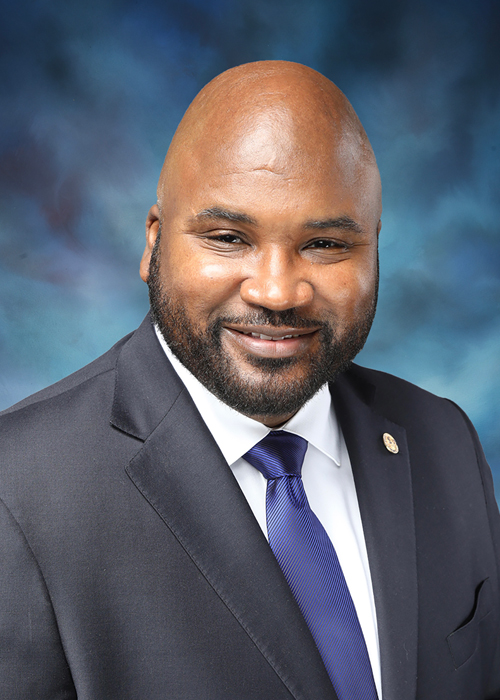
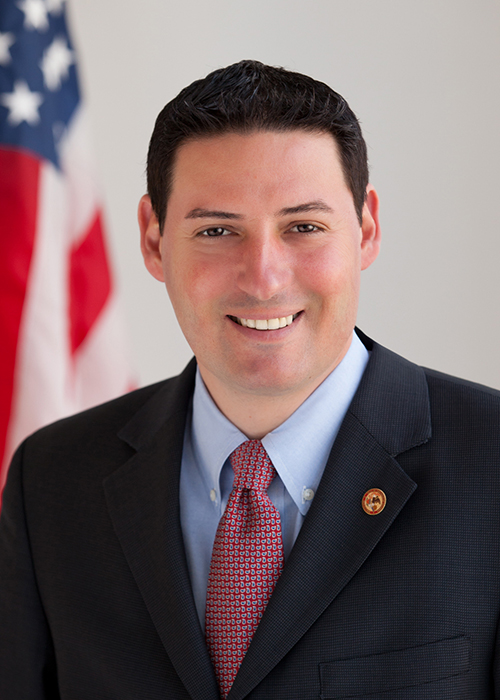
Bill Cunningham
Bill Cunningham Senate · District 18
D
Strong +
100% 5
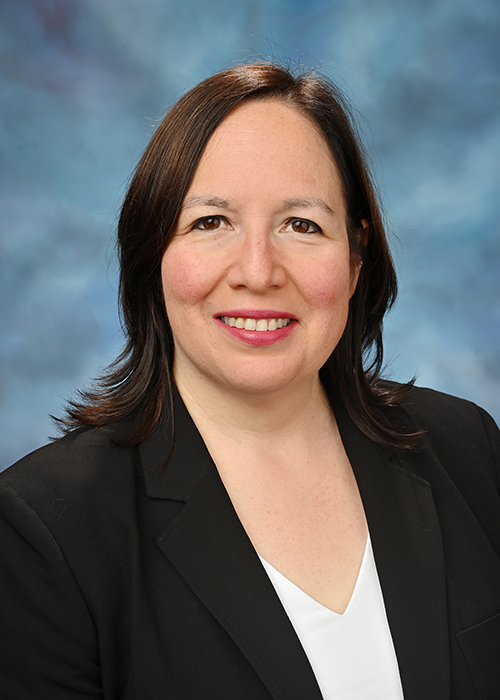
Cristina Castro
Cristina Castro Senate · District 22
D
Strong +
100% 5
Elgie Sims
Elgie Sims Senate · District 17
D
Strong +
100% 5
Laura Murphy
Laura Murphy Senate · District 28
D
Strong +
100% 5
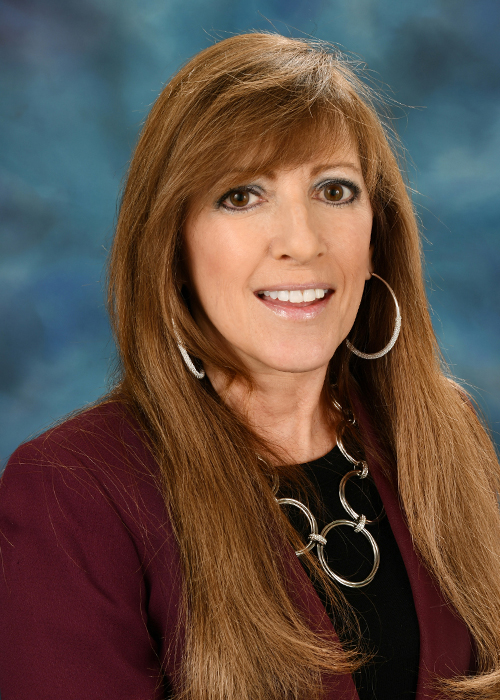
Linda Holmes
Linda Holmes Senate · District 42
D
Strong +
100% 5
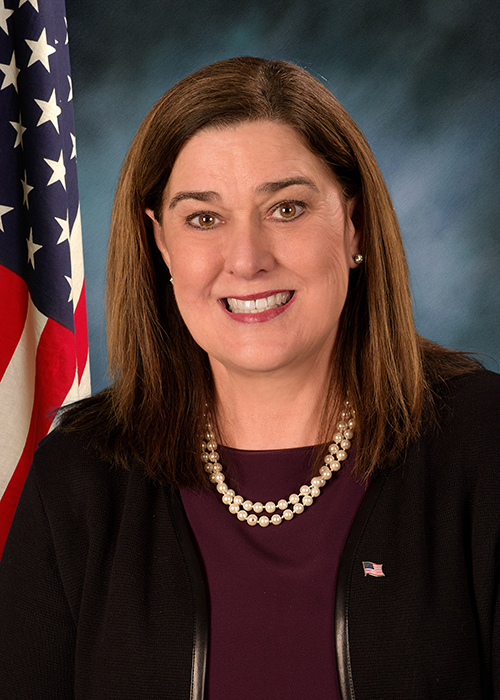
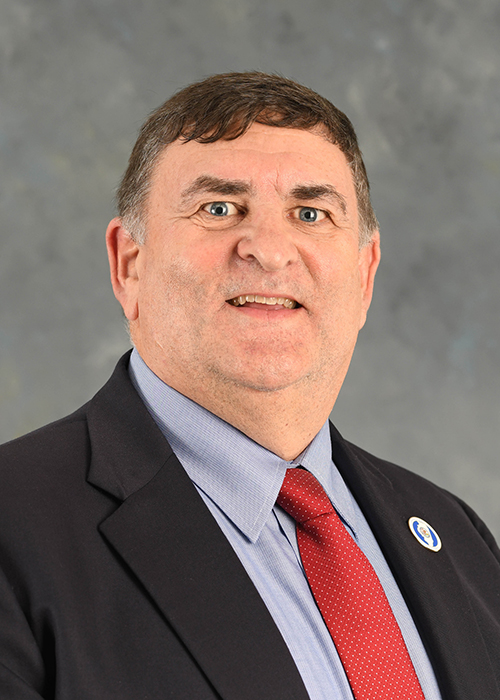
Jil Tracy
Jil Tracy Senate · District 50
R
Strong −
0% 7
John Cabello
John Cabello House · District 90
R
Strong −
0% 5
John Curran
John Curran Senate · District 41
R
Strong −
0% 5
Patrick Windhorst
Patrick Windhorst House · District 117
R
Strong −
0% 5
Dave Severin
Dave Severin House · District 116
R
Strong −
0% 4
Showing 21–29 of 29 bills

All criminal justice bills

in committee · Illinois · House Jan 9, 2025

HB 1055: EXPUNGEMENT-CANNABIS

Amends the Criminal Identification Act. In provisions concerning expungement, modifies the definition of "Minor Cannabis Offense" to mean a violation of specified provisions of the Cannabis Control Act concerning not more than 100 grams (rather than 30 grams) of any substance containing cannabis if the violation did not include a penalty enhancement under specified provisions of the Cannabis Control Act and is not associated with an arrest, conviction, or other disposition for a violent crime as defined in the Rights of Crime Victims and Witnesses Act.
in committee · Illinois · House Mar 21, 2025

HB 1178: JUV CT-COMMITMENT-AGE

Amends the Juvenile Court Act of 1987. Provides that a minor found to be guilty may be committed to the Department of Juvenile Justice if the minor is at least 14 (rather than 13) years and under 20 years of age, provided that the commitment to the Department of Juvenile Justice shall be made only if the minor was found guilty of a felony offense or first degree murder. Provides that when a minor of the age of at least 14 (rather than 13) years is adjudged delinquent for the offense of first degree murder, the court shall declare the minor a ward of the court and order the minor committed to the Department of Juvenile Justice until the minor's 21st birthday, without the possibility of aftercare release, furlough, or nonemergency authorized absence for a period of 5 years from the date the minor was committed to the Department of Juvenile Justice. Amends the Juvenile Court Act of 1987. Provides that on or after July 1, 2026 and before July 1, 2027, any minor 12 years of age or older arrested pursuant to the Act if there is probable cause to believe that the minor is a delinquent minor and that secure custody is a matter of immediate and urgent necessity, in light of a serious threat to the physical safety of a person or persons in the community or in order to secure the presence of the minor at the next hearing, as evidenced by a demonstrable record of willful failure to appear at a scheduled court hearing within the past 12 months, may be kept or detained in an authorized detention facility. Provides that on or after July 1, 2027, minors age 12 years of age and under 13 years of age and charged with first degree murder, aggravated criminal sexual assault, aggravated battery in which a firearm was used in the offense, or aggravated vehicular hijacking, may be kept or detained in an authorized detention facility. Provides that no minor under 13 (rather than under 12) years of age shall be detained in a county jail or a municipal lockup for more than 6 hours. Provides that instead of detention, minors under the age of 13 who are in conflict with the law may be held accountable through a petition under the Minors Requiring Authoritative Intervention Article of the Act, or may be held accountable through a community mediation program.
in committee · Illinois · Senate Feb 6, 2025

SB 1854: HOMOCIDE INVESTIGATOR TRAINING

Amends the Illinois Police Training Act. Provides that the Illinois Law Enforcement Training Standards Board shall conduct or approve a training program in death and homicide investigation for the training of Department of Corrections internal security investigators. Provides that only law enforcement officers and Department of Corrections internal security investigators (rather than just law enforcement officers) who successfully complete the training program may be assigned as lead investigators in death and homicide investigations. Provides that the Illinois Law Enforcement Training Standards Board shall develop a process for waiver applications sent by the Department of Corrections for those investigators whose prior training and experience as homicide investigators may qualify them for a waiver.
in committee · Illinois · House Feb 26, 2025

HB 3995: $ATTORNEY GENERAL

HB 3995 is an appropriations bill that allocates specific funds from various state funds to the Office of the Attorney General for existing programs. It directs $90 million for general operations, $11 million for violent crime victims assistance, $5 million to the Illinois Equal Justice Foundation, $2.5 million for Medicaid fraud enforcement, and additional sums for domestic violence services, tobacco litigation oversight, and other AG functions. The bill does not create new policies but specifies funding sources and purposes for current Attorney General programs. It becomes effective July 1, 2025, and directly affects the Attorney General's office and the organizations receiving these grants.
in committee · Illinois · House Apr 17, 2026

HB 3521: UNRELIABLE STATEMENTS INADMISS

Amends the Juvenile Court Act of 1987 and the Code of Criminal Procedure of 1963. Provides that unreliable statements to law enforcement made during a custodial interrogation conducted at a police station or other place of detention by a defendant are inadmissible at trial in any criminal court proceeding or juvenile court proceeding for the prosecution of a homicide. Provides that in any proceeding under this provision, the prosecution shall timely disclose prior to any relevant evidentiary hearing or trial its intent to introduce a statement made during a custodial interrogation conducted at a place of detention. Provides that at that time, the prosecution must tender any electronic recordings of the statement and any documents relating to the circumstances under which the statement was obtained and any other evidence the State intends to rely upon to determine the statement's reliability. Provides that before trial, a defendant may move to exclude a statement alleged to be unreliable. Provides that the defendant shall specifically identify the statement or statements alleged to be unreliable. Provides that at the hearing, it shall be the burden of the prosecutor to prove by a preponderance of the evidence that the statement is reliable. Provides that when deciding a statement's reliability, a court should consider: (1) whether the details in the statement fit with the evidence known before the interrogation, especially details that describe unusual or not easily guessed facts of the crime that had not been made public; (2) whether the statement provides any new details or any new evidence not known before the interrogation that can be independently corroborated after the interrogation; (3) whether facts of the crime were disclosed to the defendant rather than originated with the defendant; (4) whether the defendant recanted the defendant's statement at any time and the circumstances of that recantation; (5) whether the statement was electronically recorded; and (6) any other information relevant to the reliability of the statement.
in committee · Illinois · Senate Feb 7, 2025

SB 2133: FUND THE POLICE ACT

Creates the Fund the Police Act. Contains findings. Creates the Fund the Police Grant Fund and provides that moneys that the Illinois Law Enforcement Training Standards Board receives from the Fund must be used for the purpose of making grants to units of local government for the purposes of: (1) hiring, rehiring, and retention of law enforcement officers, including hiring and retention incentives and overtime; (2) funding body camera mandates and purchasing law enforcement equipment designed to keep officers and their communities safe; (3) funding additional law enforcement training; (4) assisting with outreach and community policing activities; (5) assisting with mental health treatment for individuals in county jails; (6) providing mental health care for law enforcement officers; and (7) purchasing public safety equipment designed to prevent gang violence, motor vehicle theft, vehicular hijacking, or the sale of contraband. Provides that the Board may set rules relating to requirements for the distribution of grant moneys and determine which law enforcement agencies are eligible. Provides that the Board must consider compliance with the Uniform Crime Reporting Act as a factor in awarding grant moneys. Provides that moneys in the Fund the Police Grant Fund may not be appropriated, assigned, or transferred to another State fund. Provides for a continuing appropriation at the beginning of each fiscal year of $125,000,000 from the General Revenue Fund to the Fund the Police Grant Fund. Amends the State Finance Act by making conforming changes.
in committee · Illinois · House Jul 1, 2025

HB 1930: $VIOLENCE PREVENTION GRANTS

Provides that specified amounts are appropriated from the General Revenue Fund to specified units of local government for non-competitively awarded grants to community-based organizations that address violence prevention using a culturally competent approach and that are capable of decreasing violence in the specified representative districts. Provides for the types of prevention, services, and programs the grants shall support. Effective July 1, 2025.
Sub-Topics Revenue Violent Crime
in committee · Illinois · Senate Jan 24, 2025

SB 1199: CRIM CD-HATE CRIME-SAFETY

Amends the Criminal Code of 2012. Provides that it is a hate crime by reason of the actual or perceived employment as a peace officer or status as a retired peace officer, regardless of the existence of any other motivating factor or factors to commit assault, battery, aggravated assault, misdemeanor theft, criminal trespass to residence, misdemeanor criminal damage to property, criminal trespass to vehicle, criminal trespass to real property, mob action, disorderly conduct, harassment by telephone, or harassment through electronic communications. Effective January 1, 2026.
in committee · Illinois · Senate Jun 2, 2025

SB 2264: CRIME-FREE HOUSING

Amends the Counties Code. Provides that a county shall not adopt, enforce, or implement any ordinance, resolution, policy, program, or other regulation that contains certain provisions such as imposing or threatening to impose a penalty against a resident, property owner, tenant, landlord, or other person as a consequence of requests for law enforcement or emergency assistance, on their own behalf or on behalf of another person in need of assistance, including, but not limited to, a request related to an incident of domestic violence, dating violence, sexual assault, stalking, or another act of violence or concerning an individual with a disability or a person entitled to protections under the Juvenile Court Act of 1987. Provides that if a county adopts, enforces, or implements a crime-free housing or nuisance ordinance, resolution, policy, program, or other regulation, then the county shall create the Office of the Crime Free Housing Coordinator. Provides that the coordinator shall be designated by the county board and shall have no less than 3 years of experience in social work, social services, or community advocacy. Provides that the coordinator shall receive fair housing training from a qualified fair housing program, including training specific to housing protections for survivors of domestic violence, dating violence, sexual assault, stalking, and other victims, persons with disabilities, and persons entitled to protection under the Juvenile Court Act of 1987. Provides that any resident, property owner, tenant, landlord, or other person that receives a notice to quit due to a violation of a crime-free housing or nuisance ordinance, resolution, policy, program, or other regulation shall be directed to the Office of the Crime Free Housing Coordinator by the county. Provides that a home rule county may not regulate tenancy in a manner inconsistent with this provision. Amends the Illinois Municipal Code and the Housing Authorities Act to make conforming changes.
Showing 21 to 29 of 29 bills