Issue · Criminal Justice

Criminal Justice (Courts)

Every criminal justice bill, vote, and legislator stance in Illinois, automatically classified by Maddy, our AI policy reader.

Total bills
77
104th Regular Session
Top supporter
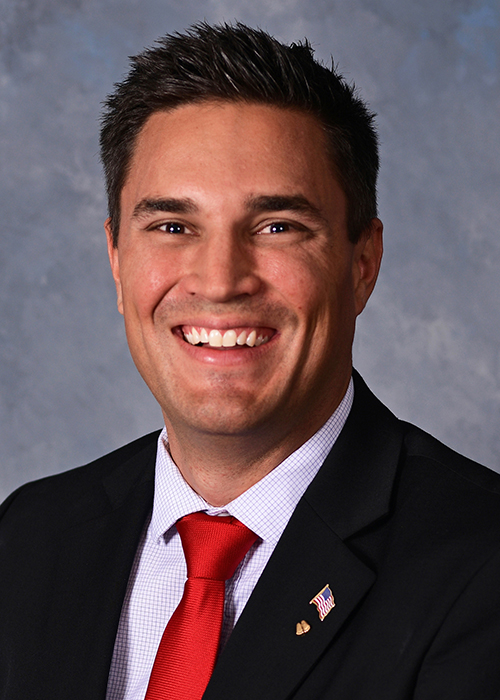
Lisa Davis
100% support rate
Top opponent
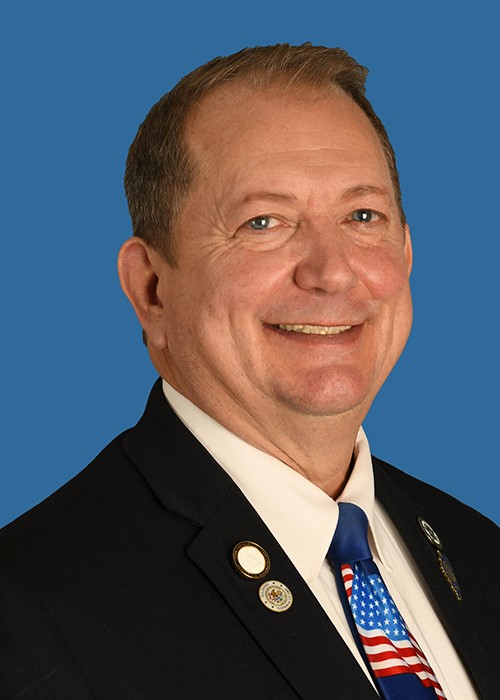
John Cabello
0% support rate
Ranked legislators
10
5 support · 5 oppose
Key legislators

Who's moving courts in Illinois

Legislators moving courts in Illinois
Legislator Party Stance Support rate Votes
Lisa Davis
Lisa Davis House · District 32
D
Strong +
100% 23
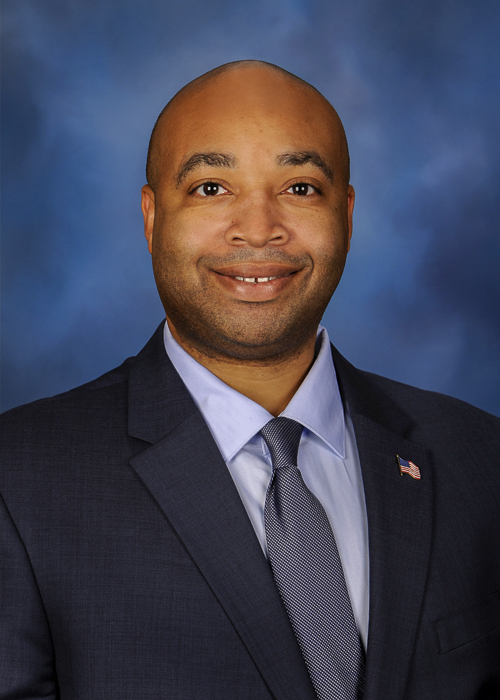
Justin Slaughter
Justin Slaughter House · District 27
D
Strong +
100% 22
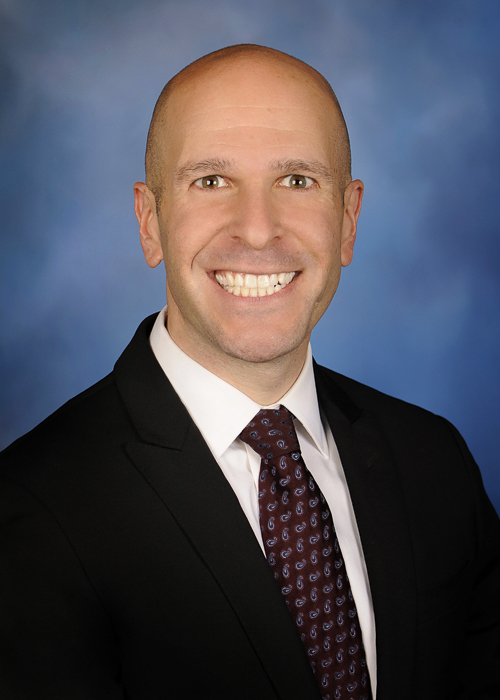
Bob Morgan
Bob Morgan House · District 58
D
Strong +
100% 21
Kevin Olickal
Kevin Olickal House · District 16
D
Strong +
100% 21
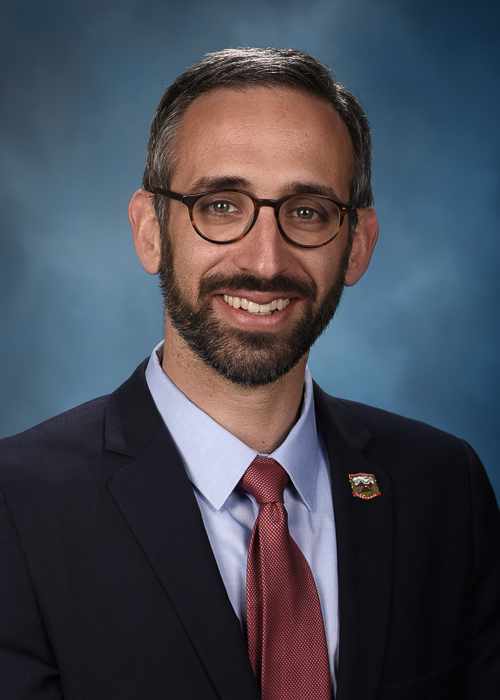
Will Guzzardi
Will Guzzardi House · District 39
D
Strong +
100% 19
John Cabello
John Cabello House · District 90
R
Strong −
0% 19
Adam Niemerg
Adam Niemerg House · District 102
R
Strong −
0% 12
Jed Davis
Jed Davis House · District 75
R
Strong −
0% 11
Tom Weber
Tom Weber House · District 64
R
Strong −
0% 11
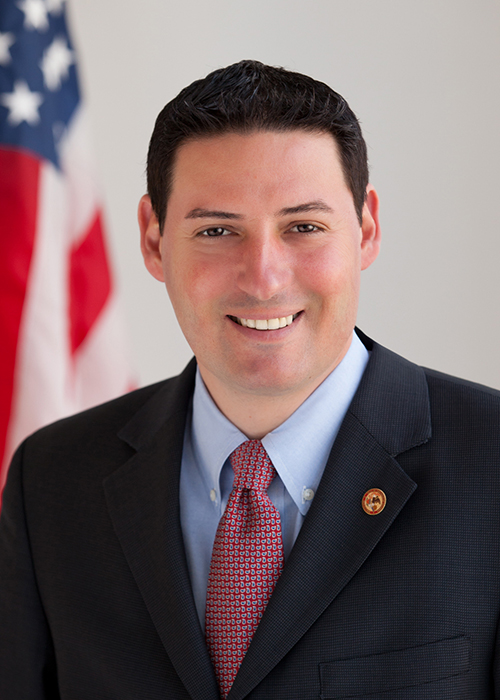
Chris Miller
Chris Miller House · District 101
R
Strong −
0% 10
Showing 11–20 of 77 bills

All criminal justice bills

in committee · Illinois · Senate May 22, 2026

SB 3346: FOID-REVOCATION-SUSPENSION

Amends the Firearm Owners Identification Card Act. Provides that, notwithstanding any other provision of the Act to the contrary, on or after the effective date of the amendatory Act, the Illinois State Police may not revoke a Firearm Owner's Identification Card. Provides that on or after the effective date of the amendatory Act, a Firearm Owner's Identification Card may only be revoked after a Firearm Owner's Identification Card hearing has been held in the circuit court of the county of residence of the person whose Firearm Owner's Identification Card is sought to be revoked. Provides that, if the State's Attorney of the county of residence of the person whose Firearm Owner's Identification Card is sought to be revoked has probable cause to believe that the person who has been issued a Firearm Owner's Identification Card is no longer eligible for the Card under the Act, the State's Attorney shall file a petition in the circuit court of the county of residence of the person whose Card is sought to be revoked. Provides that at the hearing, the person may present evidence in his or her favor seeking retention of his or her Firearm Owner's Identification Card and the Illinois State Police and State's Attorney may present evidence for revocation. Provides that the hearing shall be a civil proceeding and subject to due process, the Code of Civil Procedure, and the Illinois Rules of Evidence as adopted by the Supreme Court. Provides that the hearing shall be held within 45 days after the filing of the petition. Provides that if the circuit court determines, by clear and convincing evidence, that the person is ineligible for retention of his or her Firearm Owner's Identification Card under the Act, the court shall order the Illinois State Police to immediately revoke the Card and the circuit clerk shall seize the Card and transmit the Card to the Illinois State Police. Establishes procedures for the Illinois State Police to suspend a Firearm Owner's Identification Card.
Sub-Topics Courts Firearms Policing
in committee · Illinois · House Mar 27, 2026

HB 4924: MENTAL HLTH-COURT JURISDICTION

Amends the Mental Health and Developmental Disabilities Code. Provides that the circuit court has jurisdiction over persons who are: (1) subject to involuntary admission on an inpatient basis; or (2) in need of treatment by psychotropic medication and electroconvulsive therapy. Provides that no respondent who has pending felony charges may be ordered to undergo a program of hospitalization in a mental health facility operated by the Department of Human Services unless the Department agrees to the program of hospitalization. Removes provisions granting the circuit court jurisdiction, until January 1, 2030, over all persons subject to involuntary admission on an outpatient basis.
Sub-Topics Courts
in committee · Illinois · House Apr 17, 2026

HB 5270: JUV CT-FITNESS TO STAND TRIAL

Amends the Delinquent Minors Article of the Juvenile Court Act of 1987. Adds a Part concerning Fitness to Stand Trial. Specifies the unfitness standard for a minor. Sets forth procedures to raise the issue of the unfitness of a minor. Specifies the burden of proof and a presumption. Provides requirements for a fitness evaluation and hearing to determine the fitness of a minor. Provides the requirements for the services to attain fitness, the period to obtain fitness, initial and subsequent progress reports, periodic hearings, and in-court assistance to render a minor fit. Specifies time credit and sentencing guidelines for a minor who attains fitness. Provides for the legal disposition of a minor if fitness cannot be attained. Creates the Juvenile Discharge Hearing Task Force to examine the juvenile discharge hearing process, compare Illinois' process with those of other states with juvenile fitness standards, and recommend reforms to the process that ensures minors receive meaningful treatment for existing mental health needs. Provides that the recommendations shall include statutory language to update the juvenile hearing discharge process and whether the juvenile discharge hearing should take place on the same timeframe as discharge hearings for adult offenders. Provides that the Task Force may meet in person or virtually and shall issue a written report of its findings and recommendations to the General Assembly on or before July 1, 2027. Repeals task force provisions on January 1, 2028. Contains other provisions. Contains a severability provision. Effective July 1, 2026.
in committee · Illinois · Senate Feb 2, 2026

SB 3130: GUN CRIME CHARGE & SENTENCING

Creates the Gun Crime Charging and Sentencing Accountability and Transparency Act. Provides that in a criminal case, if a defendant is charged with an offense involving the illegal use or possession of a firearm and subsequently enters into a plea agreement in which the charge will be reduced to a lesser offense or a non-weapons offense in exchange for a plea of guilty, at or before the time of sentencing, the State's Attorney shall file with the court a written statement of his or her reasons in support of the plea agreement, which shall specifically state why the offense or offenses of conviction resulting from the plea agreement do not include the originally charged weapons offense. Provides that the written statement shall be part of the court record in the case and a copy shall be provided to any person upon request. Provides that in a criminal case in which the original charge is or was for an offense involving the illegal use or possession of a firearm, if a defendant pleads guilty or is found guilty of the original charge or lesser offense or a non-weapons offense, in imposing the sentence, the judge shall set forth in a written sentencing order his or her reasons for imposing the sentence or accepting the plea agreement. Provides that a copy of the written sentencing order shall be provided to any person upon request.
in committee · Illinois · House Feb 13, 2026

HB 5563: POLICE-DOMESTIC ABUSER REGSTRY

Amends the Illinois State Police Act. Creates a registry of persistent domestic violence offenders within the Illinois State Police. Provides that the Illinois State Police shall maintain the registry based upon information supplied to the Illinois State Police by court clerks and information available to the Illinois State Police from the Department of Corrections and local law enforcement agencies. Provides that the Illinois State Police shall make the registry available for public inquiry on the Internet. Provides that the registry must consist of the persistent domestic violence offender's name, date of birth, conviction date, county of convictions, and a current photograph of the persistent domestic violence offender. Provides that, if a person is convicted of an offense committed against a domestic abuse victim and the person convicted has at least one prior conviction for an offense committed against a domestic abuse victim, then the court shall, upon proof of any prior convictions committed against a domestic abuse victim, order the person to register as a persistent domestic violence offender. Provides that a defendant who is required to register must be assessed a registration fee in the amount of $150. Provides that the Illinois State Police shall remove from the registry the name and other identifying information of a persistent domestic violence offender after a specified number of years following the defendant's most recent conviction. Effective January 1, 2027.
in committee · Illinois · Senate May 22, 2026

SB 3343: COURTS-REMOTE ACCESS

Amends the Access to Justice Act. Creates the Remote Filing Task Force of 17 members. Creates an appointment process. Provides that the Task Force shall research and evaluate the existing ability of litigants to file court documents remotely across Illinois, including (1) identifying barriers for pro se litigants, people with a primary language other than English, people in crisis, people with disabilities, and people with low-literacy; (2) research and evaluate approaches to address any barriers identified by the Task Force to increase access and usability to remote filing for all Illinoisans; and (3) make recommendations to reduce barriers for litigants to remotely file court documents and improve access and usability of remote filing statewide. Requires that the Task Force submit a report containing its findings and any recommendations to the Supreme Court and the General Assembly by October 1, 2027. Provides that the Task Force is dissolved on October 2, 2027. Effective immediately.
Sub-Topics Courts
in committee · Illinois · House May 20, 2026

HB 5414: VOTING RIGHTS-RELEASE CORR INS

Amends the Election Code. Provides that, beginning on January 1, 2028, a person convicted of a felony, or otherwise under sentence in a correctional institution, shall have his or her right to vote restored and shall be eligible to vote not later than 14 days following his or her conviction. Provides that a person who is serving a sentence in a correctional institution starting prior to January 1, 2027 shall have his or her right to vote restored not later than January 14, 2028. Provides that a person may not be denied the right to vote because of a past criminal conviction. Provides that each local election authority shall coordinate with the correctional institution, Illinois Department of Corrections, and other correctional agencies incarcerating eligible voters to facilitate voting by mail for those voters eligible to vote in that election jurisdiction who are incarcerated in the correctional institution. Provides that the Attorney General, any individual aggrieved by a violation of these provisions, any entity whose membership includes individuals aggrieved by a violation of these provisions, any entity whose mission would be frustrated by a violation of these provisions, or any entity that would expend resources in order to fulfill its mission as a result of a violation of these provisions may file an action in a court of competent jurisdiction. Provides that the Act is intended to benefit and protect the rights of individual voters and to provide a remedy for infringing on the rights granted under this Act. Amends the Re-Entering Citizens Civics Education Act. Changes the short title of the Act to the Reintegration and Civic Empowerment Act. Provides that the Department of Corrections shall conduct the civics peer education program each of the 3 sessions not less than twice a month at each correctional institution totaling not less than 6 sessions per month at each correctional institution. Provides that the civics peer education program and workshops must be made available to all committed persons regardless of the date they were first committed or the length of their sentence. Amends the Illinois Administrative Procedure Act and the Unified Code of Corrections to make conforming changes. Effective January 1, 2028.
in committee · Illinois · Senate Feb 2, 2026

SB 3210: JUV CT-EXTENDED JUR JUV PROS

Amends the Juvenile Court Act of 1987. Provides that the State's Attorney may file a written petition, at any time prior to commencement of the minor's trial, to designate the proceeding as an extended jurisdiction juvenile prosecution when the petition alleges the commission by a minor 15 (rather than 13) years of age or older of any offense that would be a felony if committed by an adult. Provides that, upon filing of a petition, the judge shall conduct a hearing at which he or she shall first determine whether there is probable cause to believe that the allegations in the petition and motion are true. Provides that, if probable cause is found, the judge may enter an order designating the proceeding as an extended jurisdiction juvenile proceeding if the judge makes a finding based on clear and convincing evidence that sentencing under the Unified Code of Corrections may be appropriate for the minor based on an evaluation of certain factors. Provides that the judge shall consider: (1) the minor's age, impetuosity, and level of maturity at the time of the offense, including the ability to consider risks and consequences of behavior, and any presence of cognitive or developmental disability, or both, including if a comprehensive mental health evaluation of the minor was conducted by a qualified mental health professional, the outcome of the evaluation; and (2) the history of the minor, including the minor's family, home environment, educational and social background, including any history of parental neglect, domestic or sexual violence, sexual exploitation, physical abuse, or other childhood trauma, including adverse childhood experiences. Makes other changes.
in committee · Illinois · House Feb 13, 2026

HB 5456: CRIM CD&CD CORR-HATE CRIME

Amends the Criminal Code of 2012. Provides that a hate crime is: (1) a Class 2 felony if committed by a person 18 years of age or older while armed with a firearm or if the victim of the hate crime is under 18 years of age; (2) a Class 1 felony if a crime of violence as defined in the Crime Victims Compensation Act is committed against a person by reason of the actual or perceived race, color, creed, religion, ancestry, gender, sexual orientation, physical or mental disability, citizenship, immigration status, or national origin of another individual or group of individuals; or (3) a Class 1 felony for which the person shall be sentenced to a term of imprisonment of not less than 4 years and not more than 15 years if a crime of violence that is a Class 1 felony is committed against a victim of a hate crime. Provides that the court may sentence a defendant who committed a hate crime to a term of natural life imprisonment if the underlying crime is first degree murder if the murder was committed by reason of the actual or perceived race, color, creed, religion, ancestry, gender, sexual orientation, physical or mental disability, citizenship, immigration status, or national origin of the victim or victims. Amends the Unified Code of Corrections. Provides that a period of probation, a term of periodic imprisonment or conditional discharge shall not be imposed for a conviction for a hate crime if: (1) committed by a person 18 years of age or older while armed with a firearm or if the victim of the hate crime is under 18 years of age; or (2) a crime of violence is committed against a person by reason of the actual or perceived race, color, creed, religion, ancestry, gender, sexual orientation, physical or mental disability, citizenship, immigration status, or national origin of another individual or group of individuals.
in committee · Illinois · House Mar 27, 2026

HB 4898: DHS-AOT PROJECTS

Amends the Department of Human Services Act. Provides that all moneys payable from funds appropriated to the Department of Human Services in State Fiscal Year 2027 for assisted outpatient treatment related projects shall be distributed by the Department evenly across the 25 judicial circuit court jurisdictions. Provides that preference shall be given to projects that work to expand access or success for assisted outpatient treatment projects working with: (1) people who have a serious mental illness; or (2) the judicial circuit courts to assist those who are part of an assisted outpatient treatment program as a result of a court order. Effective July 1, 2026.
Showing 11 to 20 of 77 bills
Previous 1 2 3 8 Next