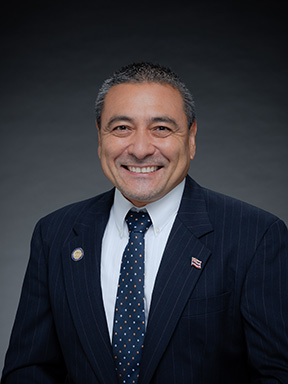
Prohibits operators of smart household security devices from sharing user data with law enforcement agencies unless the user consents, the law enforcement agency obtains a judicial warrant, or there is an emergency situation involving a clear and present danger of imminent death or great bodily harm. Prohibits operators from requiring users to consent to the sharing of data with law enforcement agencies as a condition of using a smart household security device. Allows the Department of the Attorney General to bring a civil action against operators who violate certain requirements. (CD1)
Requires certain social media platforms to provide an accessible mechanism for users to delete their accounts on the platform and permanently erase all personal information and sensitive personal information associated with deleted accounts. Prohibits certain deceptive practices by social media platforms that obstruct the deletion of user accounts. Authorizes the Attorney General to pursue civil actions and seek injunctive relief and penalties for violations. Effective 7/1/2027. (CD2)
Requires operators of AI companions in the State to issue certain disclosures to users. Requires operators to develop certain protocols to respond to user prompts regarding suicidal ideation or self-harm. Establishes protections for users and minor users of AI companions. Beginning 1/1/2028, requires operators to submit annual reports to the Behavioral Health Administration of the Department of Health containing certain information. Establishes that violations are to be considered unfair or deceptive acts or practices. (CD1)
Prohibits certain harmful uses of realistic digital imitations generated by artificial intelligence (AI). Establishes certain exemptions. Provides for civil actions and civil remedies for individuals injured by unauthorized AI-generated realistic digital imitations. (CD1)
HB 1682 creates civil legal remedies for individuals whose intimate images are shared without consent. It directly affects people who experience non-consensual disclosure of intimate images, allowing them to sue offenders in court. Key provisions include enabling victims to seek monetary damages and court orders to stop the sharing or removal of the images. The bill focuses on civil remedies, not criminal penalties, providing a legal pathway for victims to address violations.
SB 2135 creates a new criminal offense for sharing someone's intimate images without their consent. It directly affects individuals whose private photos or videos are distributed online or otherwise without permission. The key provision defines this act as a punishable offense, establishing legal consequences for perpetrators. The bill is currently pending before the LBT committee, having been referred for review after its initial introduction.
Part I: Makes conforming amendments to section 76-16(b), HRS, for positions the Department of Accounting and General Services is authorized to establish and fill pursuant to section 26‑6(b)(9), HRS, and requires annual reports to the Legislature. Part II: Authorizes DAGS to establish and fill up to 3 full-time equivalent positions within its Public Works Division's Special Project Branch that shall be exempt from civil service and collective bargaining requirements as part of the State's efforts to undertake unique and specialized public works projects and requires DAGS to submit annual reports to the Legislature. Part II: Sunsets 12/31/2031. (CD1)
This Senate Resolution asks the Hawaii Civil Rights Commission to study whether current state anti-discrimination laws cover decisions made by artificial intelligence and automated systems. The Commission would examine if existing rules can properly handle complaints about bias in areas like hiring, housing, and credit checks, and identify any legal or practical challenges in enforcing protections against algorithmic discrimination. The study will also consider whether new guidance or complaint processes are needed to help people understand their rights when facing automated decision-making. The Commission must submit its findings and any recommended laws to the state legislature by early 2027.
This Senate Concurrent Resolution asks the Hawaii Civil Rights Commission to study whether current state anti-discrimination laws apply to decisions made by artificial intelligence and automated systems. The bill directs the commission to examine how these technologies are used in areas like hiring, housing, and credit, and to identify any legal gaps or challenges in addressing potential discrimination. The commission must submit a report with findings and recommendations to the Legislature by early 2027, which could lead to new rules or laws if needed. This measure does not change existing laws immediately but initiates an official review of how civil rights protections work in the age of automated decision-making.
This bill encourages Hawaii County to work with the Puako community, the Department of Health, and other partners to finish the Puako Sewage Project, which aims to replace aging cesspools with modern wastewater systems. The project combines advanced wastewater collection technology with fiber optic internet infrastructure to address both environmental pollution and the digital divide in rural areas. By using a public-private partnership model, the initiative seeks to create a replicable solution that can help other communities across Hawaii tackle similar sewage challenges while restoring local coral reefs.