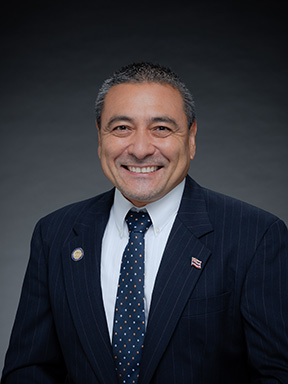
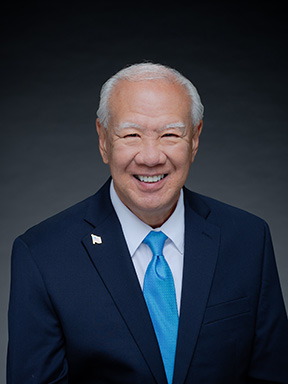
Key legislators
Who's moving technology in Hawaii
Showing 6 of 6
bills
All technology bills
Requires certain social media platforms to provide an accessible mechanism for users to delete their accounts on the platform and permanently erase all personal information and sensitive personal information associated with deleted accounts. Prohibits certain deceptive practices by social media platforms that obstruct the deletion of user accounts. Authorizes the Attorney General to pursue civil actions and seek injunctive relief and penalties for violations. Effective 7/1/2027. (CD2)
Prohibits certain harmful uses of realistic digital imitations generated by artificial intelligence (AI). Establishes certain exemptions. Provides for civil actions and civil remedies for individuals injured by unauthorized AI-generated realistic digital imitations. (CD1)
HB 1682 creates civil legal remedies for individuals whose intimate images are shared without consent. It directly affects people who experience non-consensual disclosure of intimate images, allowing them to sue offenders in court. Key provisions include enabling victims to seek monetary damages and court orders to stop the sharing or removal of the images. The bill focuses on civil remedies, not criminal penalties, providing a legal pathway for victims to address violations.
Part I: Makes conforming amendments to section 76-16(b), HRS, for positions the Department of Accounting and General Services is authorized to establish and fill pursuant to section 26‑6(b)(9), HRS, and requires annual reports to the Legislature. Part II: Authorizes DAGS to establish and fill up to 3 full-time equivalent positions within its Public Works Division's Special Project Branch that shall be exempt from civil service and collective bargaining requirements as part of the State's efforts to undertake unique and specialized public works projects and requires DAGS to submit annual reports to the Legislature. Part II: Sunsets 12/31/2031. (CD1)
HB 863 allocates state funds to the Department of Education specifically for teacher-requested classroom supplies, such as books, art materials, or technology. This bill directly affects public school teachers and students in K-12 classrooms, as it provides resources based on educators' identified needs. The key mechanism is a direct appropriation of funds, requiring the Department of Education to distribute these resources to schools upon request. The bill takes effect on July 1, 3000, as stated in the official abstract. It passed committee with amendments in February 2025, moving forward in the legislative process.
Establishes the Aloha Intelligence Institute within the University of Hawaii to develop, support, and advance artificial intelligence initiatives statewide. Effective 7/1/3000. (SD1)