Issue · Immigration

Immigration

Every immigration bill, vote, and legislator stance in Hawaii, automatically classified by Maddy, our AI policy reader.

Total bills
4
119th Congress
Top supporter
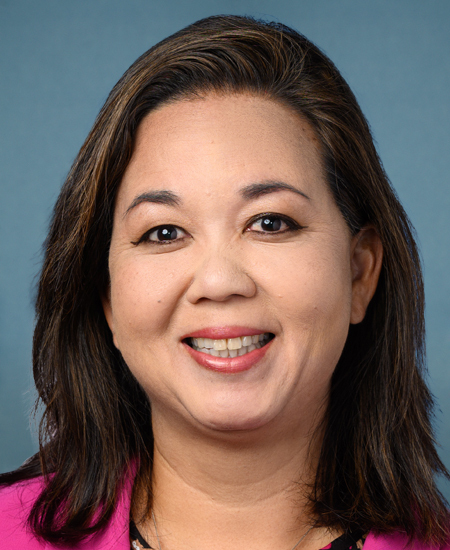
Jill N. Tokuda
81% support rate
Top opponent
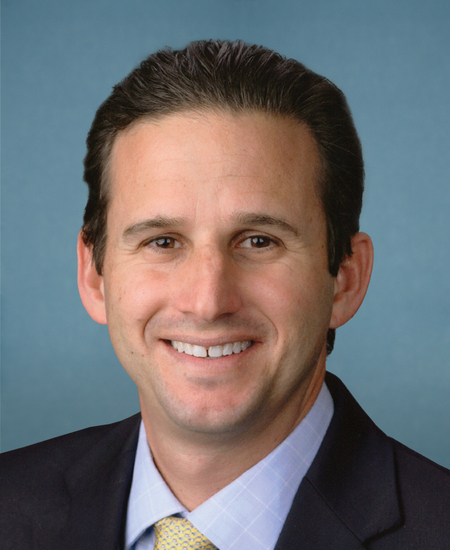
Brian Schatz
32% support rate
Ranked legislators
4
2 support · 2 oppose
Key legislators

Who's moving immigration in Hawaii

Legislators moving immigration in Hawaii
Legislator Party Stance Support rate Votes
Jill N. Tokuda
Jill N. Tokuda House · District 2
D
Strong +
81% 150
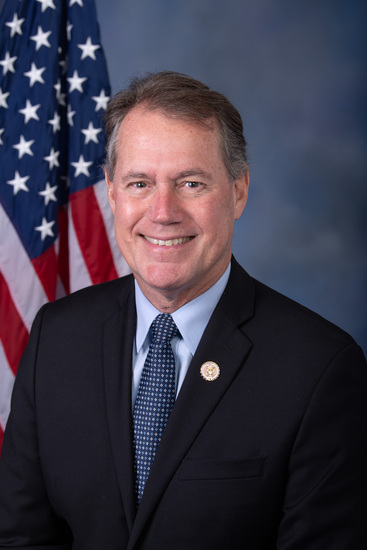
Ed Case
Ed Case House · District 1
D
Support
70% 148
Brian Schatz
Brian Schatz Senate
D
Oppose
32% 179
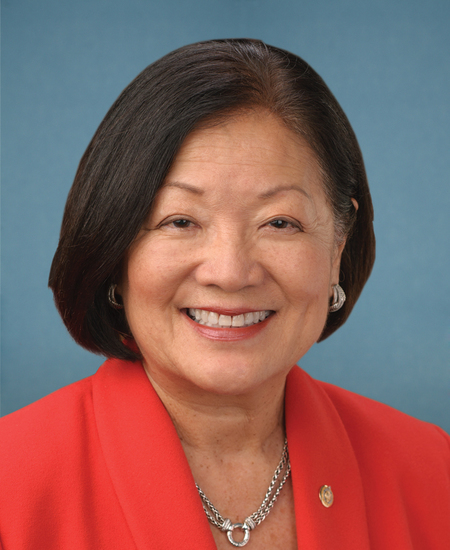
Mazie K. Hirono
Mazie K. Hirono Senate
D
Oppose
32% 180
Showing 4 of 4 bills

All immigration bills

in committee · United States · Senate Jul 21, 2026

S 5060: Child Marriage Prevention Act of 2026

The Child Marriage Prevention Act of 2026 establishes a federal commission to study child marriage in the United States and requires the Department of Justice to create a model state law that sets the minimum marriage age at 18. The bill also amends immigration laws to generally deny visas to spouses or fiancés who were under 18 years old at the time of their marriage, with limited exceptions for compelling humanitarian reasons. Additionally, the legislation prohibits the use of federal property to facilitate any marriage where one or both individuals are under 18 and provides grants to states that establish task forces to examine and address child marriage.
in committee · United States · Senate Jul 22, 2026

S 5094: Real Courts, Rule of Law Act of 2026

The Real Courts, Rule of Law Act of 2026 restructures the United States immigration court system by creating a new, independent judicial branch under Article I of the Constitution, separate from the executive branch. This new system consists of three divisions: an appellate division with judges appointed by the President and Senate for 15-year terms, a trial division with judges appointed by the appellate division for 15-year terms, and an administrative division that manages operations and advises on court needs. The bill establishes specific qualifications for judges, sets their salaries at levels comparable to federal district court judges, and defines their powers to conduct hearings, issue rulings, and manage court resources. Additionally, the legislation transfers all existing immigration functions from the Department of Justice to this new court system while ensuring that pending cases continue without interruption.
in committee · United States · House Jan 9, 2025

HR 251: Legal Workforce Act

Legal Workforce Act This bill directs the Department of Homeland Security (DHS) to create an electronic employment eligibility confirmation system modeled after and to replace the E-Verify system, which allows employers and recruiters to verify the immigration status of individuals. The bill also mandates the use of such a system, where currently only some employers, such as those with federal contracts, are required to use E-Verify. The bill specifies documents that can establish an individual's identity and employment authorization. During the period starting when a job offer is made until three business days after hiring, the individual must attest to his or her employment authorization, and the employer or recruiter must attest that it has examined the individual's required documents. Employers shall reverify certain types of employees who were not previously verified using E-Verify. The Social Security Administration shall notify employees if their Social Security number has been used multiple times in an unusual manner. DHS shall establish programs for blocking and suspending misused numbers. Employers that are required to use the verification system shall not be liable for any employment-related action based on a good-faith reliance on the system. The bill establishes a phased-in participation deadline for different sizes and categories of employers, including agricultural employers. The bill increases civil penalties related to hiring individuals without work authorization. It also preempts state laws relating to hiring and employment eligibility verification, but states may use their authority of business licensing to penalize employers for failing to comply with the bill's provisions.
Sub-Topics Work Authorization
in committee · United States · House Jul 16, 2025

HR 4456: Stop ICE from Kidnapping U.S. Citizens Act

This bill prohibits U.S. Immigration and Customs Enforcement (ICE) from using federal funds to detain or transport U.S. citizens during civil immigration enforcement actions. It directly affects ICE operations by blocking funding for any activity that would hold or move citizens outside the U.S. under immigration laws. The key mechanism is a specific funding restriction in the bill text, stating no funds may be used for detaining or transporting citizens. This applies to all civil immigration enforcement activities defined under the Immigration and Nationality Act. The bill does not create new enforcement powers but limits how existing funds can be spent.