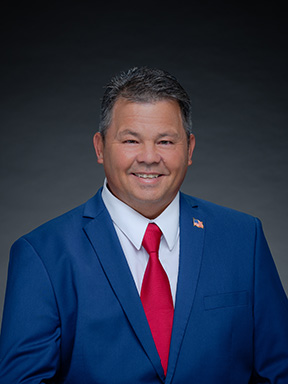
This bill requests the Department of Hawaiian Home Lands to expand and strengthen programs focused on financial literacy, credit readiness, and homeownership preparedness for Native Hawaiian beneficiaries. The resolution asks the department to work with financial educators, credit counselors, and community partners to provide pre-award education, post-award support, culturally responsive materials, and to identify funding opportunities. The department is also asked to report back to the Legislature within 20 days of the 2027 session with details on program improvements, the number of people served, and measurable outcomes related to lease retention and credit improvement.
This bill asks the Hawaiʻi Civil Rights Commission to study whether current state anti-discrimination laws cover decisions made by computer algorithms and automated systems. The Commission would examine if existing rules can handle discrimination claims involving artificial intelligence used in hiring, housing, credit, and public benefits. The study will also look at legal challenges, whether new guidance is needed, and if a complaint process should be created for these types of cases. The Commission must submit its findings and any suggested laws to the Legislature before the 2027 session begins. This is a non-binding request for analysis rather than a law that changes rules immediately.
This bill requests the Department of Transportation and the Hawaii Housing Finance and Development Corporation to form a working group that will study whether the state should own or control warehouses and logistics facilities near ports, harbors, and airports. The goal is to lower material costs for publicly funded housing projects by improving supply chain efficiency and reducing transportation expenses caused by Hawaii's reliance on imported building materials. The working group will examine potential sites, analyze cost savings from bulk purchasing, evaluate public-private partnerships, and determine if any new laws are needed to implement the recommendations. The group must include representatives from transportation, housing agencies, contractors, and legislative committees, and will submit its findings to the legislature by early 2027.
This bill asks the City and County of Honolulu and the Statewide Office on Homelessness and Housing Solutions to create a strategic plan for addressing homelessness and behavioral health needs on the Waianae Coast. The plan must include an analysis of emergency response times, hospital usage for psychiatric crises, available crisis beds, service gaps, and coordination between outreach teams and first responders. It also requires evaluating the feasibility of a regional crisis stabilization center and identifying any legal or budget changes needed to improve outcomes. Community-based service providers must be involved in developing the plan, which will be reported to the Legislature by March 2027.
This bill requests the Department of Hawaiian Home Lands and the Statewide Office on Homelessness and Housing Solutions to create a coordinated support system for Native Hawaiian beneficiaries facing homelessness or extremely low income. The key provisions require these agencies to assess the number of affected individuals, identify gaps in housing assistance, and evaluate options like transitional housing models on Department lands. Additionally, the agencies must explore funding sources, partner with nonprofit providers, and develop pilot program structures that comply with the Hawaiian Homes Commission Act. The resolution mandates that a report on these efforts be submitted to the Legislature no later than twenty days before the 2027 Regular Session begins.
This House Resolution requests the Department of Hawaiian Home Lands to expand financial literacy, credit readiness, and homeownership preparedness programs for Native Hawaiian beneficiaries. The bill directs the department to partner with financial educators, credit counselors, and lenders to offer pre-award education, post-award support, culturally responsive materials, and grant identification. The department must submit a progress report to the Legislature by early 2027 detailing program improvements, participant numbers, and outcomes related to lease stability and credit improvement. This measure focuses on administrative planning and program enhancement rather than creating new funding or changing existing laws.
This House Resolution requests the State Building Code Council to create a new set of basic shelter standards that would allow for low-cost, rapidly deployable housing solutions during emergencies. The bill aims to address Hawaii's housing shortages by establishing minimum safety and sanitation requirements for temporary housing like prefabricated units and single-wall homes, which currently cannot be built under standard building codes due to stricter permanent housing requirements. These basic shelter standards would only be used during declared emergency proclamations for natural disasters or other crises, and the housing would be limited to government agencies and nonprofit organizations to prevent profit-driven misuse. The resolution also includes a pathway for these temporary units to be converted to permanent housing if they later meet full building code standards, while requiring consultation with local officials and stakeholders to ensure the standards are appropriate for Hawaii's climate and cultural context.
This House Resolution asks the Department of Land and Natural Resources to transfer land parcels for the East Kapolei Transit-Oriented Development Project to the Hawaii Housing Finance and Development Corporation. It also urges the Housing Corporation to partner with the Hawaii Community Development Authority to help develop non-housing parts of the project, such as commercial and retail spaces. The resolution is based on the Housing Corporation's existing expertise in housing development and its established partnerships with other agencies for similar projects. This bill does not mandate any action but expresses the legislature's preference for how state agencies should organize their responsibilities for this development.
This bill urges state agencies that own or control land in West Maui to actively manage vegetation and reduce wildfire risks in the Lahaina area and surrounding communities. It calls for agencies to clear invasive grasses, create defensible space, maintain fuel breaks, and ensure emergency access routes remain open to protect homes, schools, and temporary housing from future fires. The resolution specifically names agencies like the Hawaii Housing Finance and Development Corporation, Department of Hawaiian Home Lands, and Department of Education as responsible for implementing these measures on their lands. The bill is based on lessons from the 2023 Lahaina wildfires and recent weather patterns that have increased fuel loads from rapid vegetation growth.
This bill asks the Hawaiʻi Civil Rights Commission to study whether current state anti-discrimination laws apply to decisions made by artificial intelligence and automated systems. The Commission would examine how these technologies are used in areas like hiring, housing, and lending to determine if existing rules can address potential bias or discrimination. The study will also look at legal challenges in handling complaints, whether new guidance is needed, and if a specific process for reporting algorithmic discrimination should be created. The Commission must submit its findings and any recommendations for new laws to the legislature before the 2027 session begins. This resolution does not change any laws directly but initiates an official review to ensure civil rights protections remain effective in the digital age.