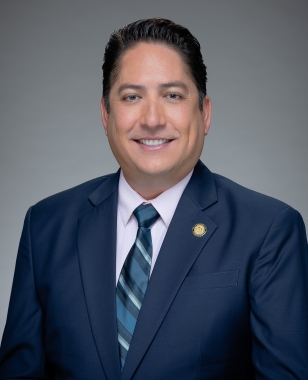
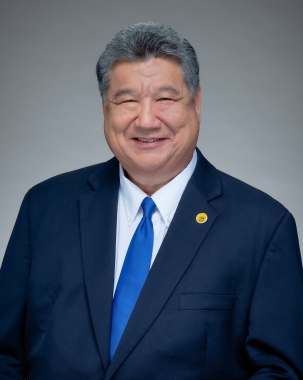
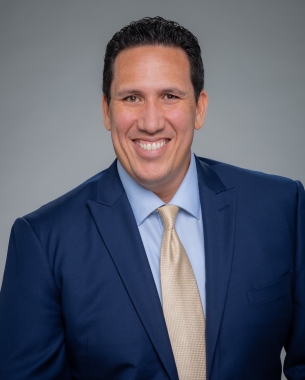
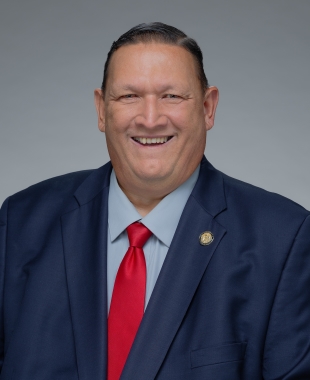
Key legislators
Who's moving criminal justice in Hawaii
Showing 11–15 of 15
bills
All criminal justice bills
Prohibits persons from operating a medical cannabis dispensary or cultivating cannabis without a license from the Department of Health. Prohibits individuals from providing certain services to individuals engaging in unlicensed cannabis operations. Requires the Department of Health to send a cease and desist notice to violators. Establishes criminal penalties. Establishes an affirmative defense for, and a conclusive basis for certain violations. Establishes exceptions. Establishes a cannabis cultivator license to authorize the cultivation and distribution of cannabis plants. Requires the Department of Health to only issue one cannabis cultivator license for each person. Establishes limits on: (1) the number of cannabis cultivator licenses the Department of Health may issue; (2) the maximum size of plant canopy for indoor and outdoor cultivations for each cannabis cultivator license; and (3) the maximum plant count of mature cannabis plants for each cannabis cultivator license. Authorizes expenditures from the Medical Cannabis Registry and Regulation Special Fund to fund programs for the mitigation and abatement of nuisances relating to chapter 329D, HRS. Appropriates funds out of the Medical Cannabis Registry and Regulation Special Fund for the Department of Attorney General to enforce, and mitigate nuisances relating to, chapter 329D, HRS. Effective 12/31/2050. (SD2)
SB 283 proposes increasing penalties for bribery offenses under specific circumstances, directly affecting individuals accused of bribery involving public officials or government actions. The bill would establish higher fines and longer prison sentences for bribery cases meeting defined conditions, such as when public funds or contracts are involved. This is a substantive policy change, not a procedural measure, and remains pending committee review (deferred to February 12, 2025). The bill has not yet been enacted into law and is currently under consideration in the Judiciary Committee.
SB 371 creates new criminal offenses for damaging critical infrastructure facilities, establishing distinct penalties for first-degree (more severe) and second-degree property damage. It directly affects individuals who intentionally damage facilities like power plants, water treatment centers, or communication hubs. The bill defines "critical infrastructure facilities" and sets specific criminal penalties for property damage to these sites. This law aims to strengthen legal protections for essential public infrastructure systems.
Authorizes periods of imprisonment for individuals with previous arson convictions. Authorizes additional penalties for arson crimes that endanger vulnerable areas. Requires restitution for victims of arson who experienced property damage. Effective 7/1/2077. (SD1)
Requires and appropriates funds for the Department of Corrections and Rehabilitation, in partnership with the Department of Health, to establish and implement a five-year Fitness to Proceed Pilot Program in one county of the State. Requires an interim report and final report to the Legislature. Effective 7/1/3000. (HD1)