Issue · Healthcare

Healthcare (Substance Abuse)

Every healthcare bill, vote, and legislator stance in Florida, automatically classified by Maddy, our AI policy reader.

Total bills
15
2026 Regular Session
Top supporter
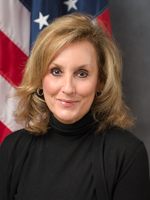
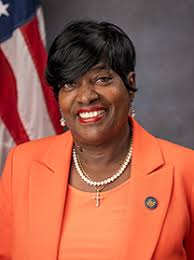
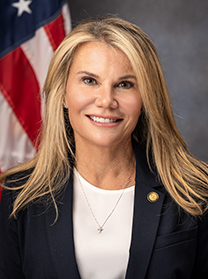
Allison Tant
100% support rate
Top opponent
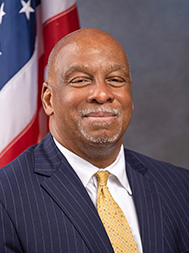
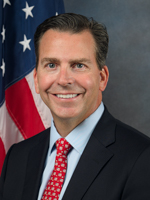
Brian Hodgers
0% support rate
Ranked legislators
10
5 support · 5 oppose
Key legislators

Who's moving substance abuse in Florida

Legislators moving substance abuse in Florida
Legislator Party Stance Support rate Decisive votes
Allison Tant
Allison Tant House · District 9
D
Strong +
100% 3
Bruce Antone
Bruce Antone House · District 41
D
Strong +
100% 3
Dan Daley
Dan Daley House · District 96
D
Strong +
100% 3
Daryl Campbell
Daryl Campbell House · District 99
D
Strong +
100% 3
Dianne Hart-Lowman
Dianne Hart-Lowman House · District 63
D
Strong +
100% 3
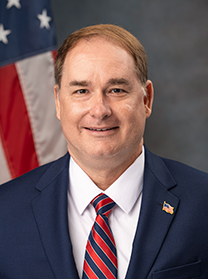
Brian Hodgers
Brian Hodgers House · District 32
R
Strong −
0% 3
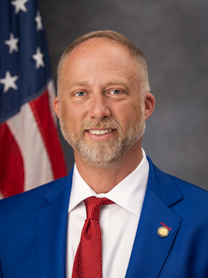
Danny Nix
Danny Nix House · District 75
R
Strong −
0% 3
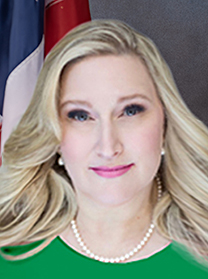
Kim Berfield
Kim Berfield House · District 58
R
Strong −
0% 3
Lauren Melo
Lauren Melo House · District 82
R
Strong −
0% 3
Toby Overdorf
Toby Overdorf House · District 85
R
Strong −
0% 3
Showing 11–15 of 15 bills

All healthcare bills

signed · Florida · Senate Jun 12, 2026

SB 1030: Recovery Residences

Recovery Residences; Requiring the Department of Children and Families to require only a level 2 background screening for certain individuals under certain circumstances; prohibiting the department from requiring certain existing licensed service providers to admit individuals for services during the probationary licensing period if certain requirements and conditions are met, etc.
signed · Florida · House Jun 17, 2026

HB 477: Drug Paraphernalia

HB 477 revises Florida's definition of "drug paraphernalia" to exclude specific testing products like fentanyl test strips and reagent kits. These products, which identify dangerous substances such as fentanyl, xylazine, cocaine, or amphetamines, are now explicitly exempt from being classified as drug paraphernalia. The bill excludes only products used solely to detect presence - not quantity or potency - and aims to support harm reduction by enabling users to avoid lethal substances. This change directly affects Floridians who use these testing tools to prevent overdoses, aligning with legislative findings on the opioid crisis.
died · Florida · House Mar 13, 2026

HB 173: Parental Rights

Parental Rights; Requires parental consent for minor's treatment for certain diseases; revises informed consent requirements; requires consent from parent or guardian for certain services provided by mobile response team; revises responsibility for cost of substance abuse services, confidentiality requirements, & requirements for voluntary admission for substance abuse impairment services; requires school district to provide parents with specified information before district administers certain questionnaires or forms to students; requires school district to give parent opportunity to opt his or her student out of such questionnaire or form; revises exceptions for certain parental rights; creates parental right to review, inspect, & consent to survey or questionnaire provided to parent's minor child; creates parental right to know certain information about survey or questionnaire at time of consent; creates parental right to consent in writing to use of biofeedback device on parent's minor child; defines "biofeedback device"; requires that results from use of such device be provided to parent; requires that such results be held as confidential medical record; revises exceptions for specified requirements of parental consent.
Sub-Topics Substance Abuse
died · Florida · House Mar 13, 2026

HB 407: Administration of Medications

HB 407, titled the "Connecting to Care Act," authorizes pharmacists in Florida to administer specific medications under certain conditions. It expands pharmacists' roles by allowing them to deliver long-acting antipsychotics or opiate addiction treatments via injection, following physician-established protocols, after completing an 8-hour training course. Pharmacists must work within licensed facilities with privacy for injections, maintain separate prescriptions per dose, and adhere to safety protocols. This directly affects pharmacists, healthcare facilities, and patients receiving medication-assisted treatment for behavioral health conditions.
Showing 11 to 15 of 15 bills