Issue · Healthcare

Healthcare

Every healthcare bill, vote, and legislator stance in Florida, automatically classified by Maddy, our AI policy reader.

Total bills
105
119th Congress
Top supporter
Maxwell Frost
67% support rate
Top opponent
Rick Scott
24% support rate
Ranked legislators
10
5 support · 5 oppose
Key legislators

Who's moving healthcare in Florida

Legislators moving healthcare in Florida
Legislator Party Stance Support rate Votes
Maxwell Frost
Maxwell Frost House · District 10
D
Support
67% 210
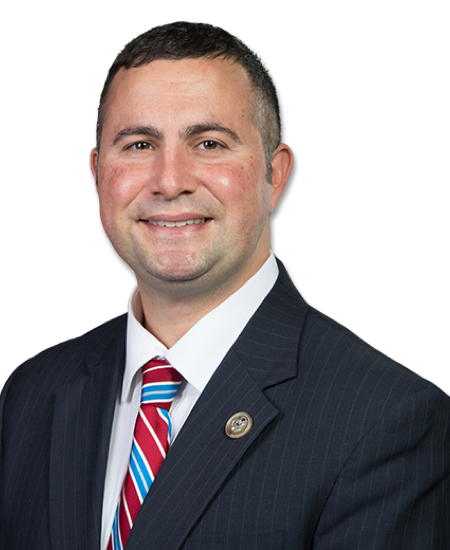
Darren Soto
Darren Soto House · District 9
D
Support
61% 211
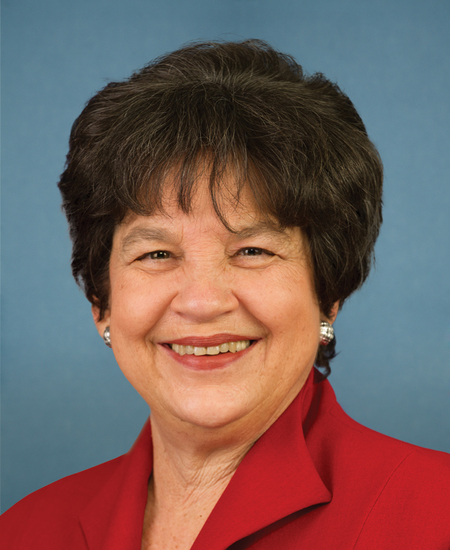
Lois Frankel
Lois Frankel House · District 22
D
Support
61% 200
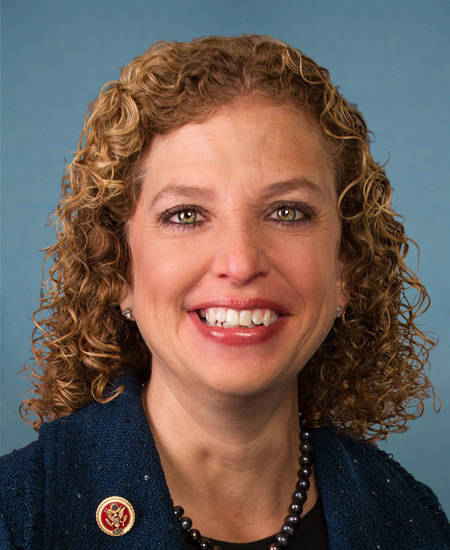
Debbie Wasserman Schultz
Debbie Wasserman Schultz House · District 25
D
Mixed
56% 210
Jared Moskowitz
Jared Moskowitz House · District 23
D
Mixed
56% 206
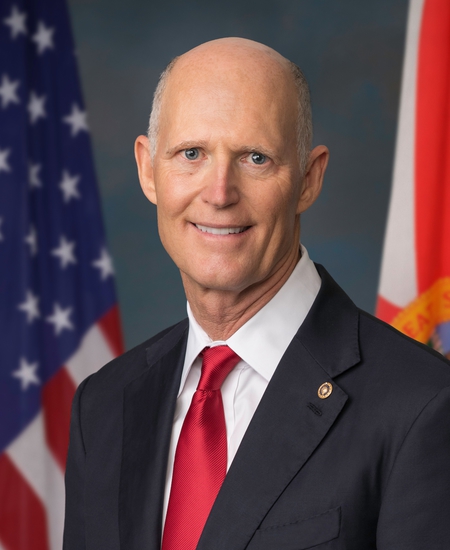
Rick Scott
Rick Scott Senate
R
Oppose
24% 223
Ashley Moody
Ashley Moody Senate
R
Oppose
24% 223
Laurel M. Lee
Laurel M. Lee House · District 15
R
Oppose
33% 196
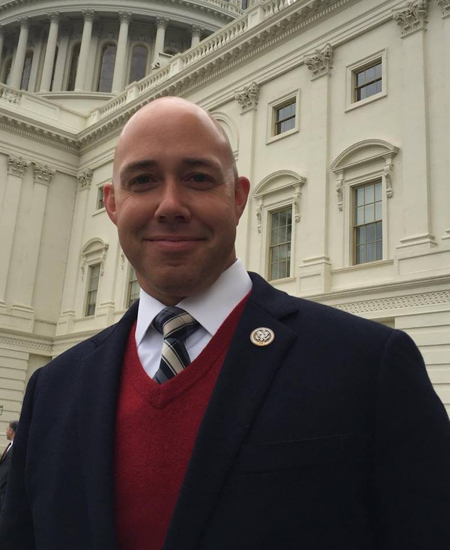
Brian J. Mast
Brian J. Mast House · District 21
R
Oppose
39% 207
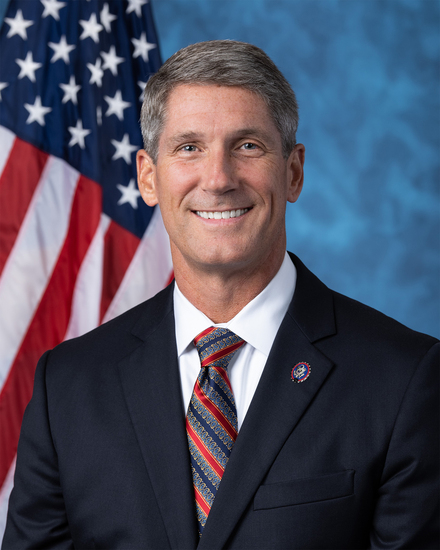
Scott Franklin
Scott Franklin House · District 18
R
Oppose
39% 210
Showing 1–10 of 105 bills

All healthcare bills

in committee · United States · House Sep 3, 2026

HR 10268: Ending Restaurant Purchases with SNAP Act of 2026

The Ending Restaurant Purchases with SNAP Act of 2026 would prohibit the use of Supplemental Nutrition Assistance Program (SNAP) benefits to buy meals at restaurants and other private food service establishments. The bill achieves this by removing specific legal provisions from the Food and Nutrition Act of 2008 that currently allow states to run optional restaurant programs for eligible groups such as the elderly, disabled, and homeless individuals. If enacted, these changes would take effect 180 days after the date of enactment, directly affecting SNAP recipients who rely on these state-level options for dining out.
in committee · United States · House Aug 27, 2026

HR 10178: SHIELD Act

The SHIELD Act would prohibit local school districts that receive federal education funds from allowing organizations that provide abortions to distribute information about those services to students on school grounds or through the district's virtual platforms. This ban specifically covers sharing or reposting such materials on social media on behalf of outside abortion providers. The bill defines "abortion-related service" as any medical, surgical, or support care directly related to terminating a pregnancy.
in committee · United States · House Jun 24, 2026

HR 9421: Ban Abortion by Mail Act

This bill, titled the Ban Abortion by Mail Act, aims to restrict how abortion medications like mifepristone are prescribed by requiring an in-person visit between the patient and the doctor. It directly affects health care providers who are currently certified by the FDA to dispense these drugs, threatening their certification status if they prescribe them without a physical examination or to patients living in states where the provider lacks a medical license. The legislation mandates that the FDA report annually to Congress on any providers who lose this certification due to violations or unsafe prescribing practices. By enforcing these specific conditions, the bill seeks to ensure that all prescriptions for abortion drugs are administered under strict supervision and within the legal boundaries of the patient's state.
in committee · United States · House Jun 24, 2026

HRES 1382: Celebrating the historic anniversary of the June 24, 2022, decision of the Supreme Court of the United States in Dobbs v. Jackson Women's Health Organization.

This resolution commemorates the fourth anniversary of the 2022 Supreme Court decision in Dobbs v. Jackson Women's Health Organization, which removed the federal constitutional right to abortion. The text expresses support for state authority to regulate abortion and acknowledges the work of pregnancy centers that provide care to women and families. It also recognizes the belief that unborn life possesses inherent rights and calls for the protection of that life. As a symbolic measure, the bill does not change any laws or policies but serves to formally celebrate the anniversary and state the House's position on the issue.
Sub-Topics Women's Health
in committee · United States · Senate Jun 24, 2026

SRES 787: A resolution celebrating the historic anniversary of the June 24, 2022, decision of the Supreme Court of the United States in Dobbs v. Jackson Women's Health Organization.

This Senate resolution commemorates the fourth anniversary of the 2022 Supreme Court decision in Dobbs v. Jackson Women's Health Organization, which overturned the previous federal right to abortion. The document expresses the Senate's support for state authority to regulate abortion and acknowledges the work of pregnancy centers that assist expectant mothers. It formally declares the Senate's commitment to protecting unborn life and supporting families, while noting the ongoing policy challenges related to abortion access. As a symbolic measure, the bill does not create new laws or alter existing regulations but serves to record the Senate's stance on the issue.
Sub-Topics Women's Health
in committee · United States · House Jun 18, 2026

HJRES 197: Providing for congressional disapproval under chapter 8 of title 5, United States Code, of the rule submitted by the Centers for Medicare & Medicaid Services of the Department of Health and Human Services relating to "Patient Protection and Affordable Care Act, HHS Notice of Benefit and Payment Parameters for 2027; and Basic Health Program".

This joint resolution expresses Congress's disapproval of a specific federal rule issued by the Centers for Medicare & Medicaid Services regarding the Affordable Care Act and the Basic Health Program for 2027. If passed, the measure would legally nullify the rule, preventing it from taking effect. The bill directly impacts the administration of healthcare benefits and payment parameters for the upcoming year by rejecting the proposed guidelines.
Sub-Topics Medicaid Medicare
in committee · United States · House Apr 29, 2026

HR 8573: STOP Act

The STOP Act prohibits healthcare providers and others from performing gender transition procedures on minors under 18, defining these procedures broadly to include hormone treatments, surgeries, and puberty blockers. The bill allows for exceptions in cases of disorders of sex development, acute physical injuries, or precocious puberty, but imposes federal civil penalties of at least $100,000 for violations. Additionally, the legislation establishes a federal grant program to fund nonprofit organizations that provide detransition services, education, and mental health support to individuals seeking to reverse gender transition procedures.
Sub-Topics Mental Health
in committee · United States · House May 20, 2026

HR 8943: Our Doctors First Act of 2026

The Our Doctors First Act of 2026 prohibits Medicare from providing federal funding for the graduate medical education of doctors who are not U.S. citizens or nationals. This change applies to hospitals and non-hospital training providers, requiring them to stop counting non-citizen residents and interns toward their Medicare payments starting one year after the law is enacted. To enforce this rule, the bill imposes escalating financial penalties on facilities that knowingly count ineligible trainees, ranging from a percentage of the payment amount for a first offense to a five-year ban on receiving Medicare education funds for repeated violations.
Sub-Topics Hospitals Medicare
in committee · United States · House Apr 30, 2026

HR 8603: Dismemberment Abortion Ban Act of 2026

HR 8603, the Dismemberment Abortion Ban Act of 2026, prohibits physicians from performing abortions that involve dismembering an unborn child and extracting it piece by piece or crushed from the uterus. The law allows exceptions only when the procedure is necessary to save the mother's life, while explicitly permitting other abortion methods for reasons such as rape or incest. It imposes criminal penalties of up to two years in prison or fines on physicians who violate the ban and creates a civil lawsuit system where women or parents of minors can seek monetary damages and attorney fees against providers. The bill also defines an 'unborn child' as a human organism from fertilization until birth and clarifies that the woman undergoing the procedure cannot be prosecuted or held financially liable.
Sub-Topics Women's Health
in committee · United States · Senate Apr 16, 2026

S 4329: Title X Abortion Provider Prohibition Act

This bill amends the Title X family planning program to prohibit the use of federal funds for entities that perform or financially support abortions. It allows exceptions for cases involving rape, incest, or life-threatening medical conditions, while also permitting hospitals to receive funding as long as they do not give those funds to non-hospital abortion providers. To enforce these rules, the bill requires the Secretary of Health and Human Services to submit annual reports detailing which organizations receive grants and the specific number of abortions performed under the medical and criminal exceptions.
Showing 1 to 10 of 105 bills
1 2 3 11 Next