








Issue · Labor & Employment

Labor & Employment

Every labor & employment bill, vote, and legislator stance in Connecticut, automatically classified by Maddy, our AI policy reader.

Total bills
1
2026 Regular Session
Top supporter
Steve Stafstrom
100% support rate
Top opponent
Craig Fishbein
0% support rate
Ranked legislators
10
5 support · 5 oppose
Key legislators

Who's moving labor & employment in Connecticut

Legislators moving labor & employment in Connecticut
Legislator Party Stance Support rate Votes
Steve Stafstrom
Steve Stafstrom House · District 129
D
Strong +
100% 18
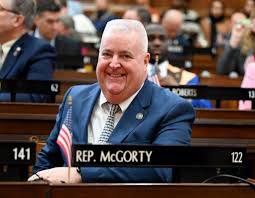
Ben McGorty
Ben McGorty House · District 122
R
Strong +
100% 21
John Kissel
John Kissel Senate · District 7
R
Strong +
89% 43
Roland Lemar
Roland Lemar House · District 96
D
Strong +
88% 20
Christie Carpino
Christie Carpino House · District 32
R
Strong +
88% 21
Craig Fishbein
Craig Fishbein House · District 90
R
Strong −
0% 18
Donna Veach
Donna Veach House · District 30
R
Strong −
12% 21
Karen Reddington-Hughes
Karen Reddington-Hughes House · District 66
R
Strong −
12% 21
John Piscopo
John Piscopo House · District 76
R
Strong −
12% 21
Mark DeCaprio
Mark DeCaprio House · District 48
R
Strong −
12% 21
Showing 1 of 1 bills

All labor & employment bills

passed · Connecticut · Senate Apr 29, 2026

SR 11: RESOLUTION PROPOSING APPROVAL OF A COLLECTIVE BARGAINING AGREEMENT BETWEEN THE UNIVERSITY OF CONNECTICUT BOARD OF TRUSTEES AND THE GRADUATE EMPLOYEE UNION LOCAL 6950 - INTERNATIONAL UNION, UNITED AUTOMOBILE, AEROSPACE AND AGRICULTURAL IMPLEMENT WORKERS OF AMERICA.

This bill proposes the approval of a collective bargaining agreement between the University of Connecticut Board of Trustees and the Graduate Employee Union representing student workers. The agreement establishes wage increases and adjusts health insurance costs for graduate employees over a four-year period from July 1, 2026, to June 30, 2030. Specifically, it mandates annual raises ranging from 3.85% to 4.5% for salaries and per-credit rates while also requiring graduate employees to pay a higher share of their health insurance premiums. Additionally, the deal includes increases for university fee credits and a larger funding pool for childcare assistance.