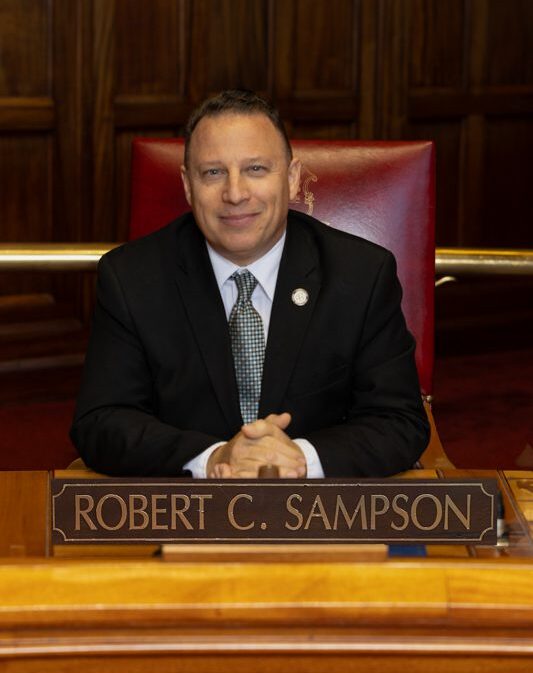
Key legislators
Who's moving housing in Connecticut
Showing 4 of 4
bills
All housing bills
HB 5259 requires Connecticut school districts to provide educational services to homeless children and youth in alignment with the federal McKinney-Vento Homeless Assistance Act (42 U.S.C. § 11431 et seq.). It prohibits school districts from denying enrollment based on residency and guarantees homeless students a hearing if denied accommodations. The bill also ensures unaccompanied homeless youth (those without a parent or guardian) can access their educational and medical records held by the school. These changes directly affect homeless students, their guardians, and school districts across Connecticut.
This bill removes sales tax on clothing under $100, school supplies, and appliances, and eliminates a 1% tax on meals sold by grocery stores. It creates new tax credits for homeowners (increasing the existing credit), caregivers of elderly or disabled family members, and renters earning $75,000 or less for primary residence costs. These changes directly lower tax burdens for Connecticut residents, particularly lower- and middle-income households. The bill modifies sales tax rules and expands income tax credits to improve affordability.
HB 5362 revises Connecticut's affordable housing laws to implement recommendations from the Majority Leader's Roundtable. It defines key terms like "affordable housing development" (including "set-aside developments" requiring 30% of units to be priced at ≤30% of income for 40 years, with 15% reserved for lower-income households) and clarifies the role of housing commissions. The bill creates a streamlined appeal process for developers whose affordable housing applications are denied or restricted, directing such cases to specialized judges in the relevant judicial district for expedited review. This law directly affects housing developers, municipalities, and housing commissions by setting new affordability standards and changing how disputes over housing applications are resolved.
HB 5226 requires Connecticut municipalities with populations over 15,000 to establish fair rent commissions by January 1, 2028, and all municipalities containing mobile manufactured home parks must join a regional fair rent commission. These commissions will handle rent complaints for non-seasonal mobile home spaces, investigate excessive charges, and hold public hearings to address issues affecting mobile home residents and park owners. The bill creates a framework for regional commissions (managed through regional councils) and mandates specific member requirements, including resident representation. It directly affects mobile home park residents, landlords, and local governments responsible for implementing the new commission structure. The changes take effect October 1, 2026.