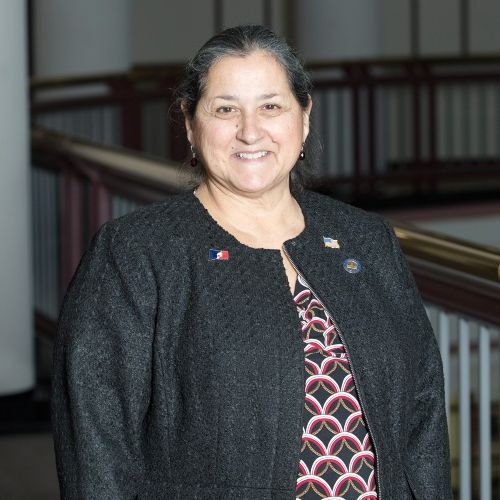
Key legislators
Who's moving healthcare in Connecticut
Showing 31–34 of 34
bills
All healthcare bills
SB 293 extends the time frame for minors to sue providers for fraud in fertility care. It allows victims to file claims up to three years after reaching age 18 (the age of majority) or three years after discovering the fraud, whichever occurs later. This directly affects minors who suffered harm due to fraudulent fertility treatments or care. The law takes effect October 1, 2026, and modifies existing statute of limitations rules for these specific cases.
This bill proposes the approval of a collective bargaining agreement between the University of Connecticut Board of Trustees and the Graduate Employee Union representing student workers. The agreement establishes wage increases and adjusts health insurance costs for graduate employees over a four-year period from July 1, 2026, to June 30, 2030. Specifically, it mandates annual raises ranging from 3.85% to 4.5% for salaries and per-credit rates while also requiring graduate employees to pay a higher share of their health insurance premiums. Additionally, the deal includes increases for university fee credits and a larger funding pool for childcare assistance.
SB 381 requires all public colleges and universities in the state to offer at least one annual on-campus program addressing problem gambling starting July 1, 2026. These programs must provide information about campus and community resources for treatment and rehabilitation of problem gambling, defined as compulsive or uncontrollable gambling causing life disruption. Institutions may partner with nonprofits to deliver the programs, but must prioritize nonprofit organizations already receiving state funding under section 17a-713 of the general statutes. The bill directly affects public higher education institutions and students by mandating accessible resources for gambling-related issues.
This bill establishes a state-funded bridge program designed to help vulnerable individuals maintain access to food, housing, and healthcare benefits while they transition through changes in federal work requirements. The program would target veterans, homeless persons, adults with autism, foster care aging out, and older adults at risk of losing Medicaid or nutrition assistance, requiring state agencies to develop a plan by October 2026. Key provisions include supplementing existing job support programs, providing temporary state-funded assistance equivalent to current benefits, recommending long-term housing solutions, and documenting employability for potential federal waivers. The plan must be submitted to legislative committees by January 2027 along with funding estimates and implementation timelines.