






Issue · Energy

Energy

Every energy bill, vote, and legislator stance in Connecticut, automatically classified by Maddy, our AI policy reader.

Total bills
1
2026 Regular Session
Top supporter
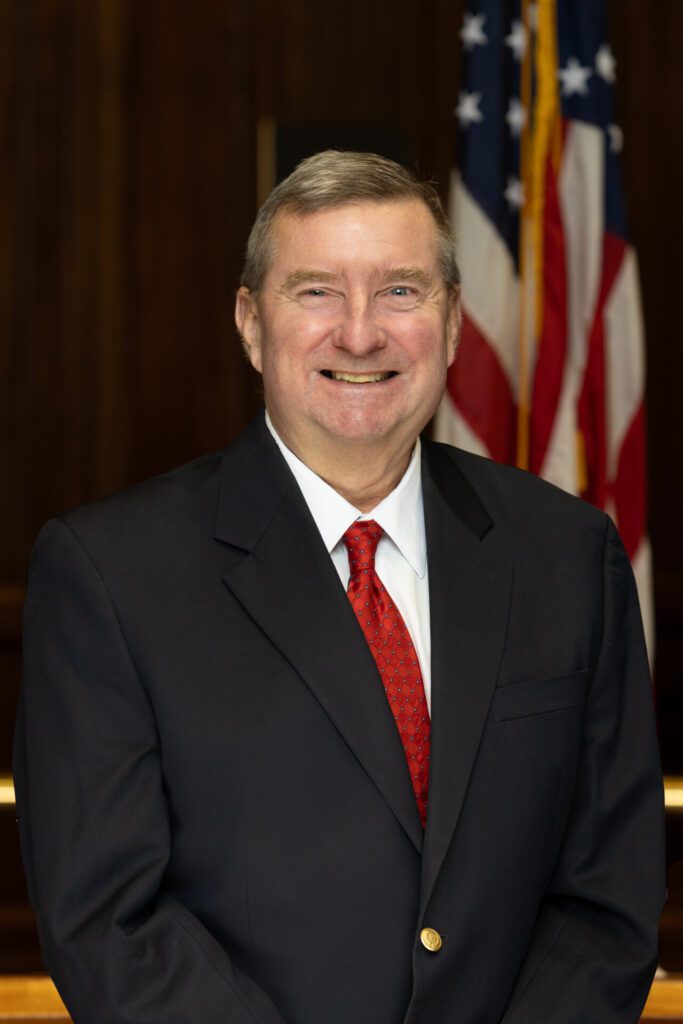
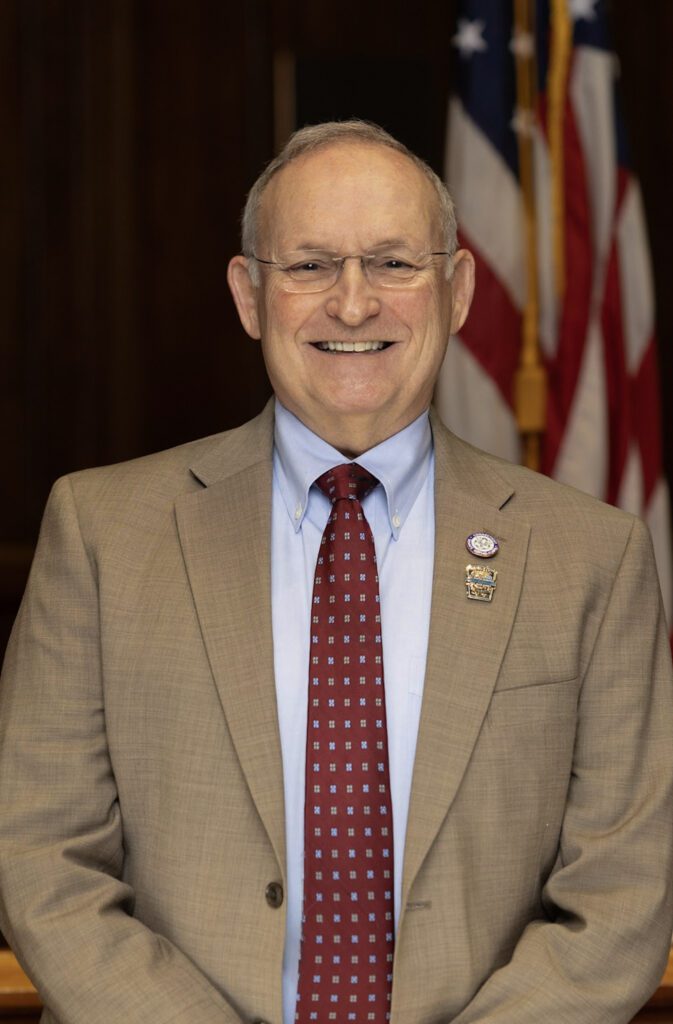
John Kissel
100% support rate
Top opponent
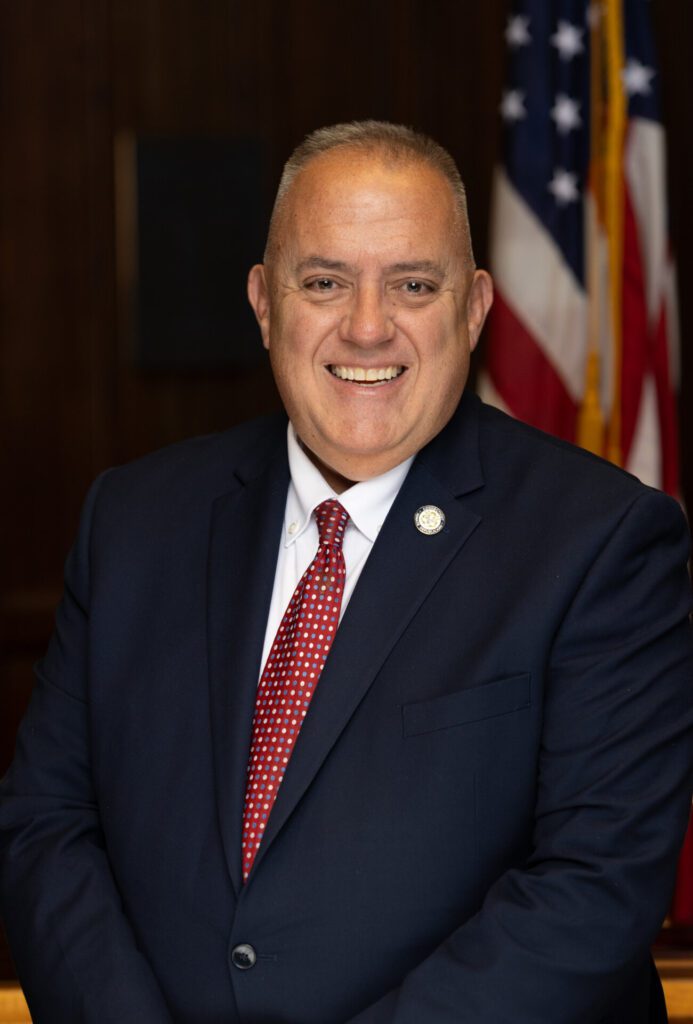
Bob Duff
30% support rate
Ranked legislators
10
5 support · 5 oppose
Key legislators

Who's moving energy in Connecticut

Legislators moving energy in Connecticut
Legislator Party Stance Support rate Decisive votes
John Kissel
John Kissel Senate · District 7
R
Strong +
100% 9
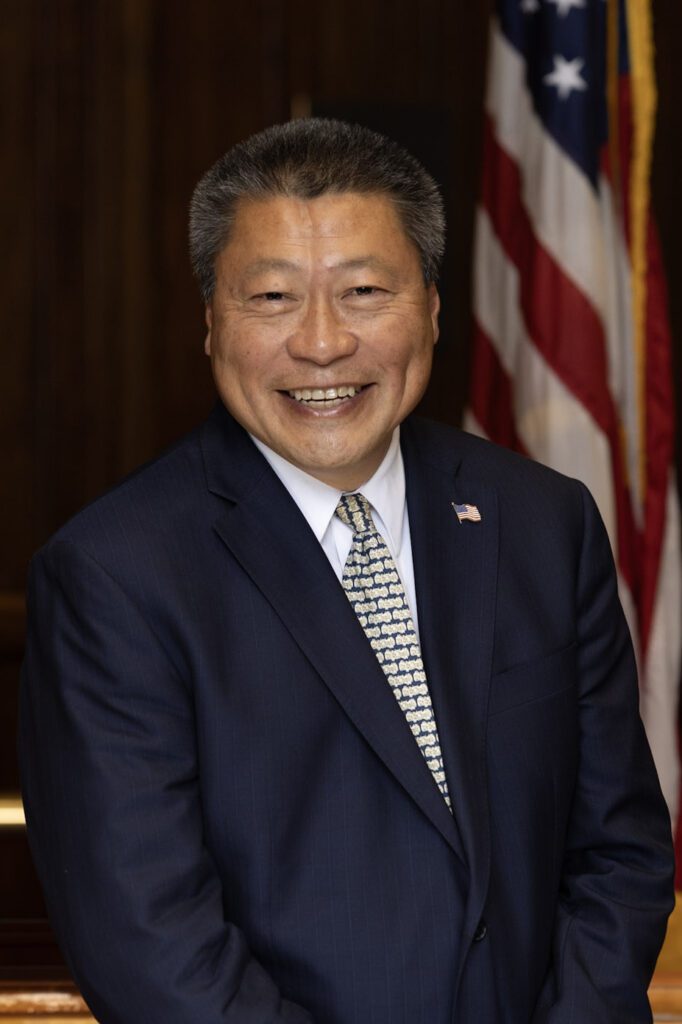
Tony Hwang
Tony Hwang Senate · District 28
R
Strong +
90% 10
Eric Berthel
Eric Berthel Senate · District 32
R
Strong +
80% 10
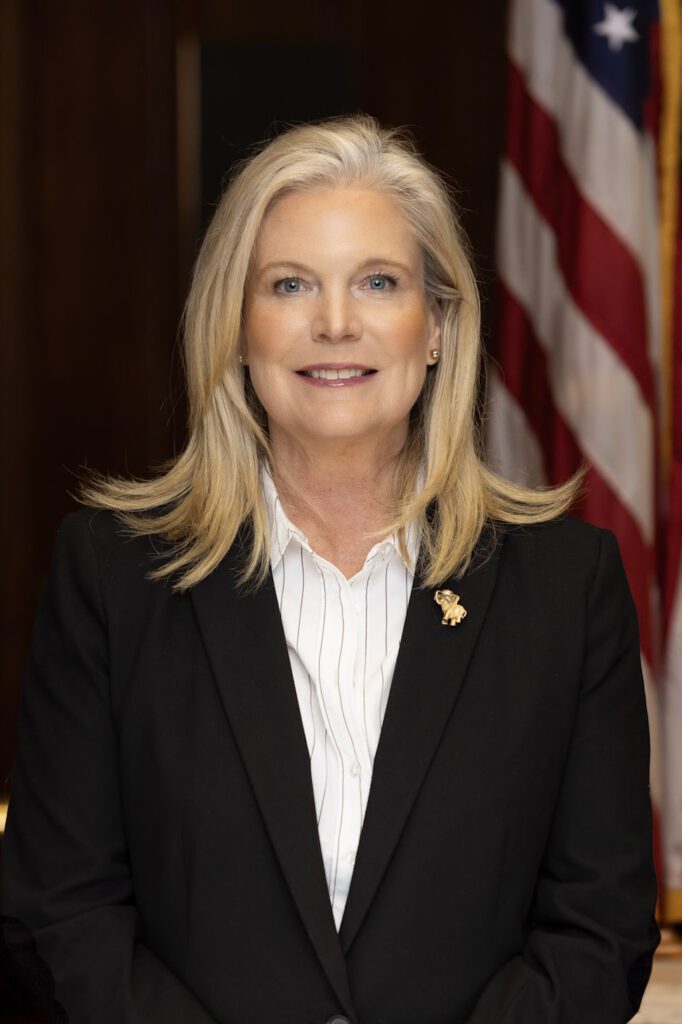
Heather Somers
Heather Somers Senate · District 18
R
Strong +
80% 10
Henri Martin
Henri Martin Senate · District 31
R
Strong +
80% 10
Bob Duff
Bob Duff Senate · District 25
D
Oppose
30% 10
Ceci Maher
Ceci Maher Senate · District 26
D
Oppose
30% 10
Christine Cohen
Christine Cohen Senate · District 12
D
Oppose
30% 10
Derek Slap
Derek Slap Senate · District 5
D
Oppose
30% 10
Doug McCrory
Doug McCrory Senate · District 2
D
Oppose
30% 10
Showing 1 of 1 bills

All energy bills

signed · Connecticut · House May 27, 2026

HB 5464: AN ACT IMPLEMENTING RECOMMENDATIONS FROM THE DEPARTMENT OF TRANSPORTATION AND CONCERNING VEGETATION MANAGEMENT GUIDELINES, TRANSPORTATION NETWORK COMPANIES AND RIDER SAFETY, TRAFFIC SIGNAL MODERNIZATION GRANT PROGRAM, ENCAMPMENTS, MARINE PILOT LICENSE FEES, MOTOR VEHICLE MECHANICAL EQUIPMENT, DISTRACTED DRIVING, A TASK FORCE TO STUDY ACCESS TO PARKING FOR HOME HEALTH AGENCIES AND A WORKING GROUP TO STUDY USE OF ALTERNATIVE FUELS AND TECHNOLOGIES IN SCHOOL BUS FLEETS.

This bill implements recommendations from the Department of Transportation by requiring utility companies to maintain infrastructure within state highway rights-of-way and establishing new standards for electric vehicle charging at state facilities. The legislation mandates that utility companies install, repair, and replace service connections in state highway areas, with larger companies needing permits for work on public roads. Additionally, the bill sets a target for state bus fleets to include at least 30% zero-emission vehicles by 2030 and requires new state facilities with public parking to have 8% of spaces designed for future electric vehicle charging. State agencies managing EV charging stations will be restricted from allowing non-charging vehicles to occupy those spaces, though exceptions exist for vehicles that can charge without being plugged in. These changes affect utility providers, state transportation infrastructure, and public parking policies across Connecticut.