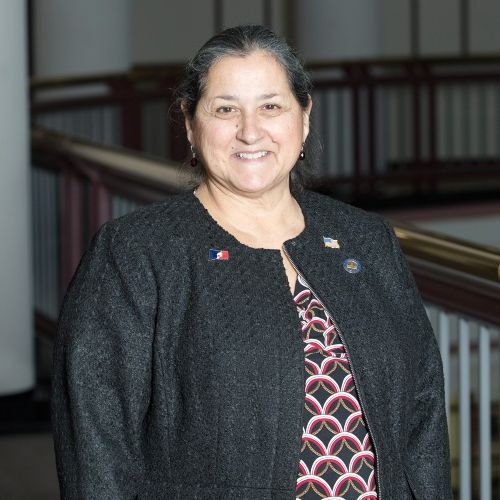
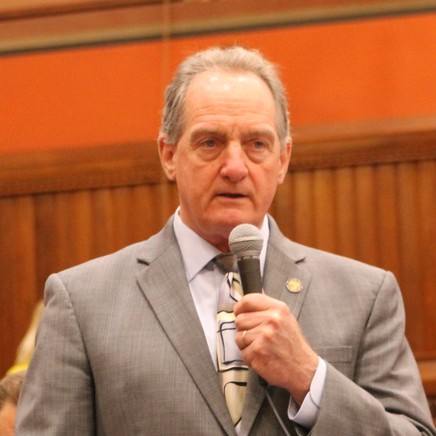
Key legislators
Who's moving budget & taxes in Connecticut
Showing 4 of 4
bills
All budget & taxes bills
This bill allows property owners in the towns of Berlin, Lebanon, and West Hartford to request property tax exemptions for 2025 and 2021 even if they missed the original filing deadline. To qualify, eligible individuals must submit their exemption applications within 30 days of the bill's effective date on July 1, 2026, and pay the required late filing fee. Once the assessor verifies eligibility and receives payment, the exemption will be approved and any previously paid taxes, interest, or penalties will be reimbursed to the property owner. The legislation applies only to these three specific towns and does not change the general rules for property tax exemptions elsewhere in Connecticut.
This bill removes sales tax on clothing under $100, school supplies, and appliances, and eliminates a 1% tax on meals sold by grocery stores. It creates new tax credits for homeowners (increasing the existing credit), caregivers of elderly or disabled family members, and renters earning $75,000 or less for primary residence costs. These changes directly lower tax burdens for Connecticut residents, particularly lower- and middle-income households. The bill modifies sales tax rules and expands income tax credits to improve affordability.
HB 5039 requires state agencies to provide greater transparency and oversight when distributing funds specifically directed by the legislature to particular organizations (not state agencies, disaster relief, competitive grants, or bond funds). It mandates that recipients prove financial responsibility and secure written approval from agencies before sharing funds with subrecipients. State agencies must submit annual reports on fund usage by November 1, and the state will publish a public database of all such funds by January 1. This bill directly affects state agencies managing these funds and the organizations receiving them, focusing on accountability through reporting and public access.
This bill establishes the "Federal Cuts Response Fund" to help the state address reductions in federal funding for state programs. It transfers $330,811,954 from the state's Budget Reserve Fund into this new fund, which can be used by the Office of Policy and Management to respond to federal policy changes (like P.L. 119-21) that reduce funding for state programs. Unspent funds can carry over to the next fiscal year, but the state legislature must be notified of all spending or transfers and has 24 hours to disapprove any action. Any remaining balance in the fund must be returned to the Budget Reserve Fund by June 30, 2027, ending the fund's operation.