Issue · Education

Education

Every education bill, vote, and legislator stance in Colorado, automatically classified by Maddy, our AI policy reader.

Total bills
126
119th Congress
Top supporter
Michael F. Bennet
86% support rate
Top opponent
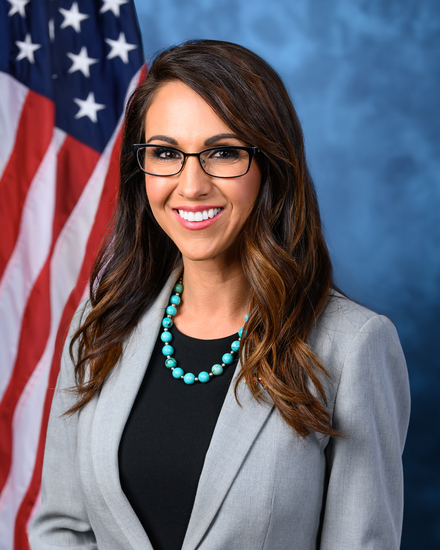
Lauren Boebert
22% support rate
Ranked legislators
9
5 support · 4 oppose
Key legislators

Who's moving education in Colorado

Legislators moving education in Colorado
Legislator Party Stance Support rate Votes
Michael F. Bennet
Michael F. Bennet Senate
D
Strong +
86% 137
John W. Hickenlooper
John W. Hickenlooper Senate
D
Strong +
86% 168
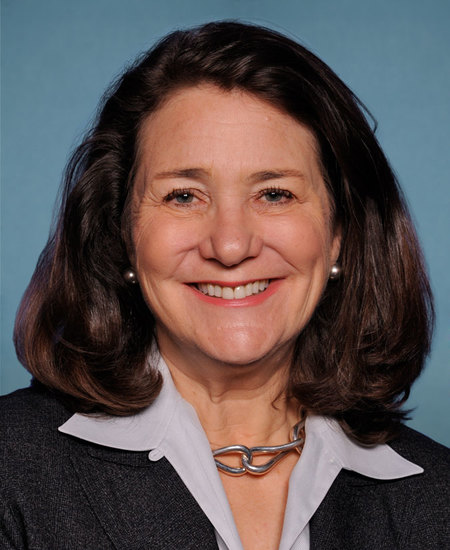
Diana DeGette
Diana DeGette House · District 1
D
Support
78% 130
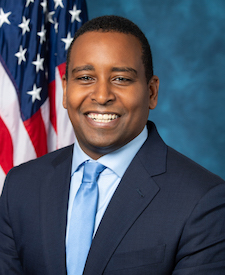
Joe Neguse
Joe Neguse House · District 2
D
Support
78% 130
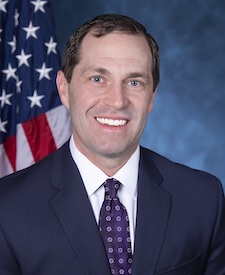
Jason Crow
Jason Crow House · District 6
D
Support
78% 131
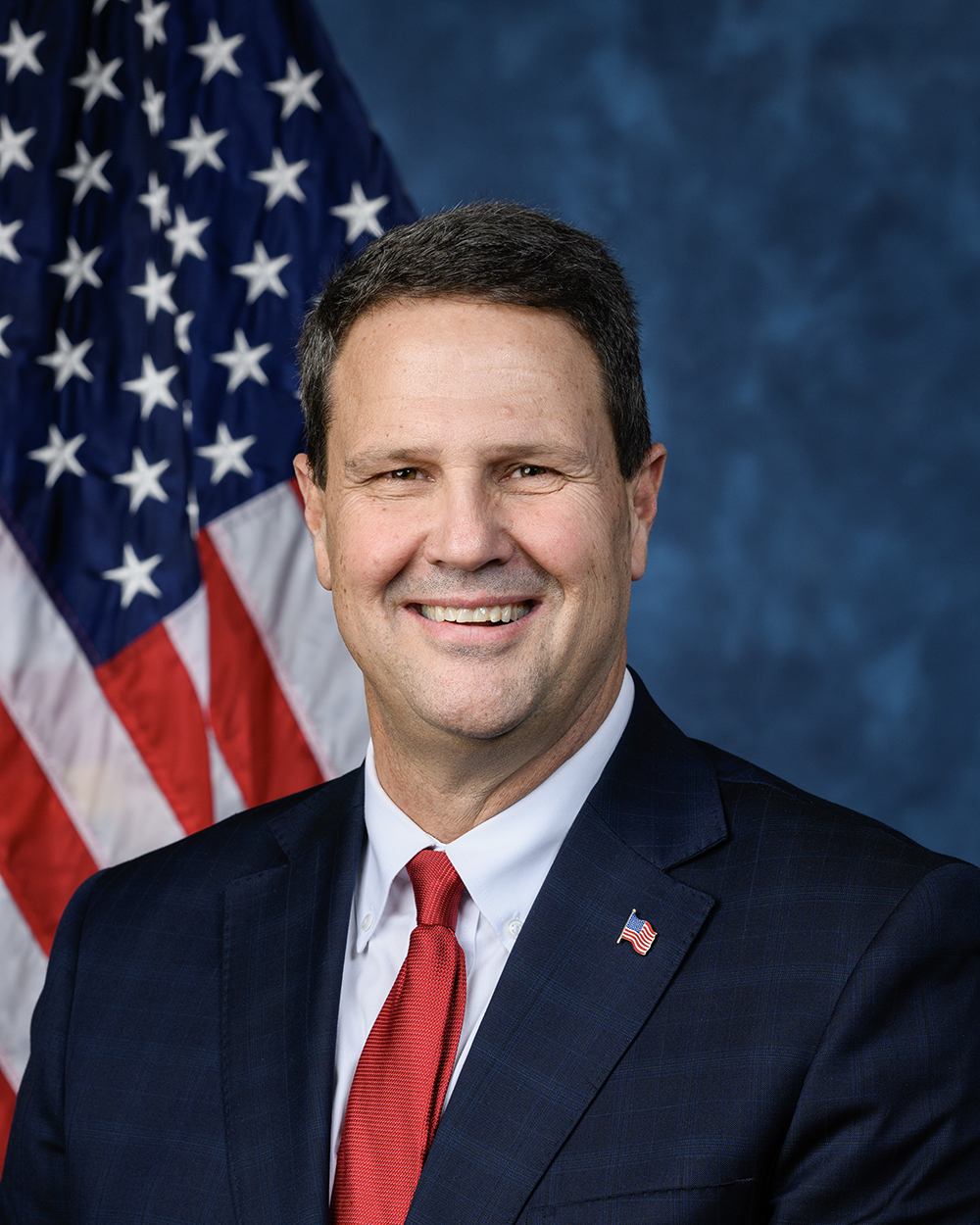
Lauren Boebert
Lauren Boebert House · District 4
R
Oppose
22% 130
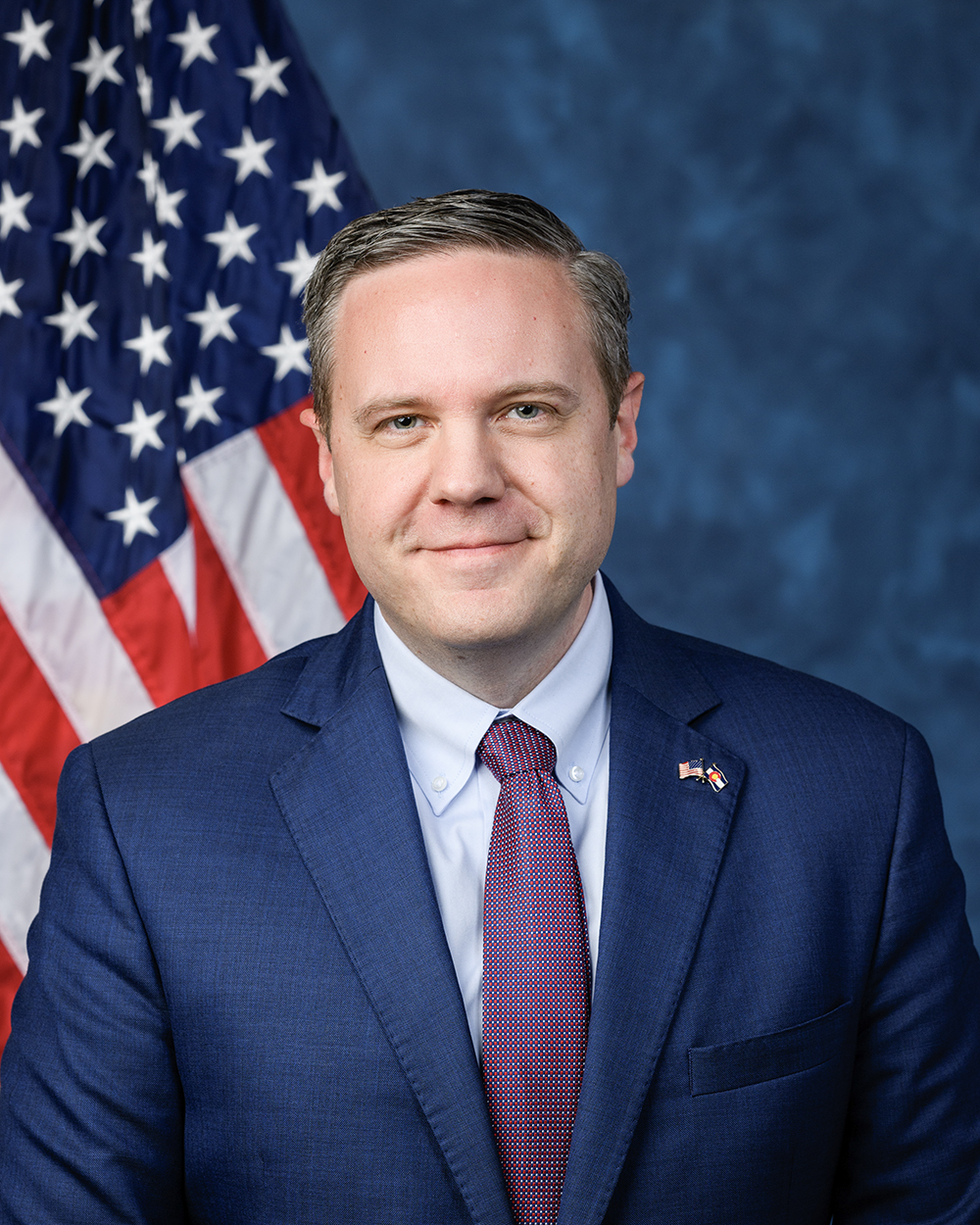
Jeff Crank
Jeff Crank House · District 5
R
Oppose
22% 131
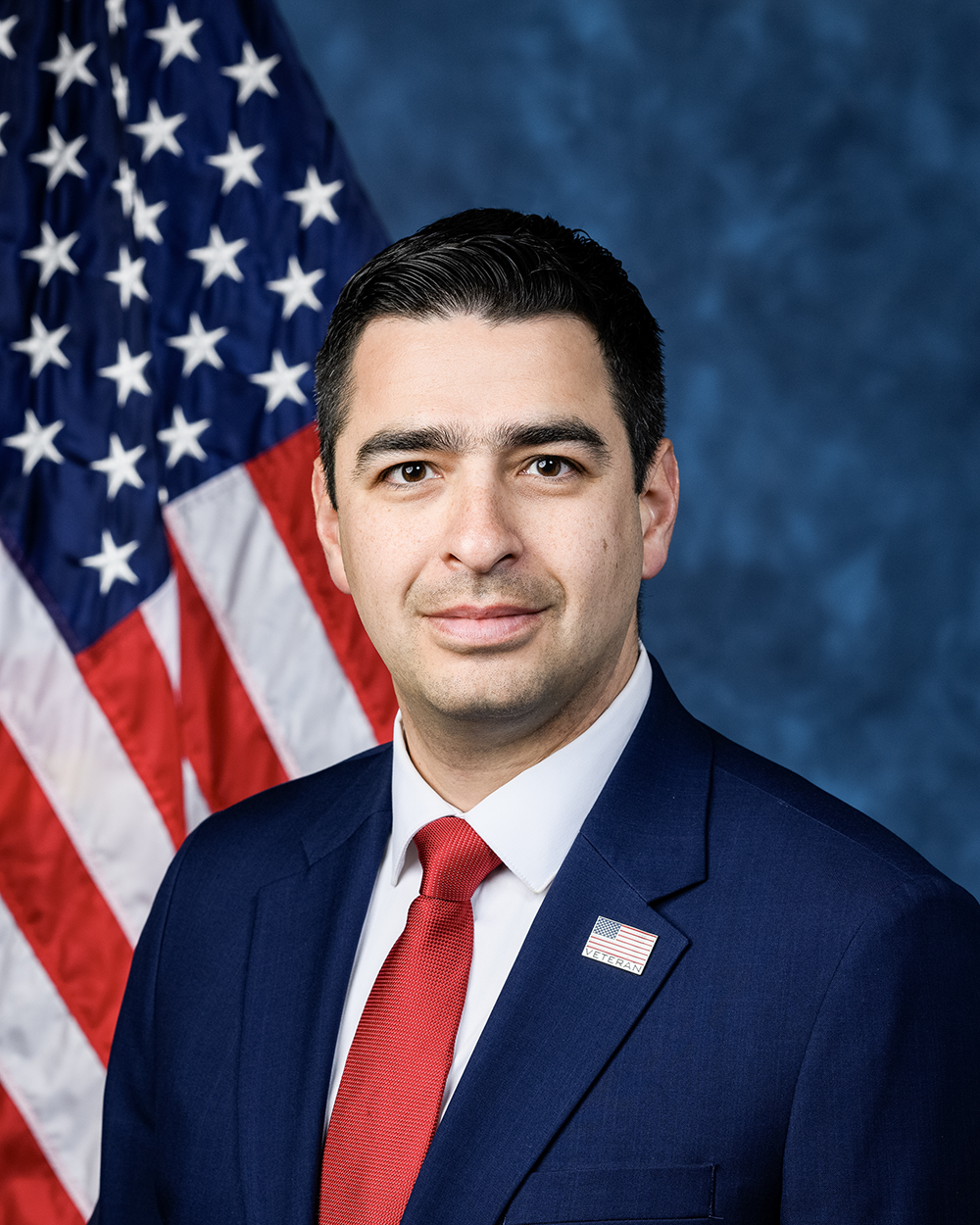
Jeff Hurd
Jeff Hurd House · District 3
R
Oppose
33% 131
Gabe Evans
Gabe Evans House · District 8
R
Oppose
33% 131
Showing 1–10 of 126 bills

All education bills

in committee · United States · Senate Aug 6, 2026

S 5339: Back-to-School Supplies Affordability Act

The Back-to-School Supplies Affordability Act prevents new tariffs from being applied to specific school supplies and educational materials, ensuring their prices remain at levels seen before January 19, 2025. This legislation directly affects students, families, teachers, and schools by exempting items such as notebooks, backpacks, pencils, pens, and certain electronic devices from increased import duties. The Secretary of Commerce is tasked with designating additional classroom items for this exemption in coordination with the Secretary of Education, while providing regular reports to Congress on the covered products. To maintain legislative oversight, the bill includes a mechanism allowing Congress to pass a joint resolution to disapprove any specific item designated for tariff exemption by the executive branch.
in committee · United States · Senate Aug 6, 2026

S 5332: Cooperative Institute Act of 2026

The Cooperative Institute Act of 2026 establishes a formal program for the National Oceanic and Atmospheric Administration (NOAA) to partner with non-federal academic and nonprofit research institutions. These partnerships, known as Cooperative Institutes, are designed to conduct collaborative research, support student and postdoctoral training, and expand scientific capacity in areas relevant to NOAA's mission. The bill authorizes five-year funding awards for these institutes, which can be renewed for an additional five years following a peer-reviewed performance assessment. It also sets specific procedures for selecting new partners through open competition or limited pools, allows for the co-location of federal and institutional staff, and requires detailed reports to Congress before any existing partnership is terminated or allowed to expire.
in committee · United States · Senate Aug 6, 2026

S 5296: Pathways to Health Careers Act

The Pathways to Health Careers Act establishes a federal grant program effective October 1, 2026, to train low-income individuals for careers in health professions such as nursing, emergency medical services, and allied health fields. The legislation allocates $435 million annually from fiscal years 2027 through 2031 to fund these initiatives, with specific requirements ensuring that at least two grants are awarded in each state and the District of Columbia, along with dedicated funding for tribal entities and U.S. territories. Key provisions mandate that grant recipients provide comprehensive support services, including adult basic education, childcare, transportation assistance, and cash stipends, while also requiring rigorous evaluations of demonstration projects focused on individuals with criminal records and maternal health career pathways.
in committee · United States · Senate Jul 29, 2026

S 5165: POLAR Act

The POLAR Act establishes a new Directorate for Polar Programs within the National Science Foundation to oversee and advance scientific research, education, and infrastructure in the Arctic and Antarctica. This new directorate will manage logistics, support research stations and vessels, and coordinate with federal agencies and international partners to maintain a strong U.S. presence in these regions. The legislation authorizes the directorate to award grants and fellowships to universities, research institutions, and other entities, with a specific focus on incorporating indigenous knowledge and building a skilled workforce. Additionally, the act requires the creation of an advisory committee to guide program strategies and mandates annual reporting to Congress on funding priorities and progress.
in committee · United States · Senate Jun 23, 2026

S 4859: Pell Grant Preservation and Expansion Act of 2026

The Pell Grant Preservation and Expansion Act of 2026 aims to increase financial aid for college students by doubling the maximum Federal Pell Grant award to $10,000 for the 2026-2027 school year, with amounts rising annually to reach $15,000 by 2031-2032. The bill also changes the funding structure so that Pell Grants become a mandatory program that automatically adjusts for inflation rather than relying on annual congressional appropriations. Additional provisions expand eligibility to include students with negative financial aid indexes, provide special rules for recipients of means-tested benefits, and allow Dreamer students who become citizens or permanent residents to qualify for aid. The legislation further restores the total number of semesters a student can receive Pell Grants from 12 to 18 and modifies how institutions determine satisfactory academic progress to reduce penalties for students struggling with course requirements.
in committee · United States · Senate Jun 23, 2026

S 4872: Keep Kids in School Act

The Keep Kids in School Act creates a federal grant program to help public schools reduce chronic absenteeism and improve safety for students. The Department of Education will provide funds to states, which will then distribute money to local school districts for specific interventions like hiring counselors, offering teacher stipends for home visits, and covering transportation costs. The bill defines chronic absenteeism as missing 10 percent or more of school days and prioritizes funding for states with the highest rates of absenteeism among vulnerable student populations. Additionally, the act requires the Comptroller General to conduct a study on effective methods for reducing absenteeism and improving student well-being, with findings reported to Congress and the Education Department.
in committee · United States · House Jun 25, 2026

HR 9474: Local Foods for Healthy Schools Act of 2026

The Local Foods for Healthy Schools Act of 2026 creates a new program to help state and local governments purchase and distribute food grown within 400 miles of schools. This initiative provides $200 million annually to eligible state agencies, which can either buy local produce directly or give funds to school districts for that purpose. The bill defines local foods as minimally processed agricultural products and requires recipients to submit reports on their purchases while ensuring funds supplement rather than replace existing state support.
in committee · United States · House Jun 11, 2026

HR 9300: Postsecondary Student Success Act of 2026

The Postsecondary Student Success Act of 2026 creates a competitive grant program to help colleges improve graduation rates for high-need students, including those from low-income backgrounds, first-generation families, and military-connected individuals. To receive funding between 2027 and 2032, eligible institutions must submit plans detailing how they will use evidence-based strategies, such as better advising, accelerated learning options, and improved transfer pathways, to support student retention and completion. The law requires that at least 20 percent of the available funds go to projects using the most rigorously tested methods and mandates that 2 percent be reserved specifically for Tribal Colleges and Universities. Additionally, the Department of Education must evaluate the effectiveness of these programs and report the results to Congress within 18 months of the bill's enactment.
in committee · United States · House Jul 6, 2026

HR 9351: COMPASS Act

The COMPASS Act expands protections for military families under the Servicemembers Civil Relief Act to ensure uninterrupted schooling during permanent relocations. It allows a dependent child of a servicemember to be considered compliant with a new state's homeschooling laws if they were already following the rules of their previous state or their legal residence. This change aims to reduce administrative burdens and prevent conflicting state requirements from penalizing military families who move frequently. By aligning these rules with existing federal protections, the bill seeks to support family stability and the readiness of servicemembers during transitions.
in committee · United States · Senate Jun 18, 2026

S 4843: Enhancing Mental Health and Suicide Prevention Through Campus Planning Act

This bill directs the Secretary of Education to create and share evidence-based model plans for mental health and suicide prevention specifically for colleges and universities. In partnership with the Substance Abuse and Mental Health Services Administration, the government will provide technical assistance to schools that wish to adopt these models, while also considering existing state efforts and collaborating with various community and student groups. The legislation requires regular updates to these model plans every five years and mandates periodic reports to Congress on the program's progress. Importantly, the bill clarifies that these measures are voluntary guidelines and do not impose new legal requirements on higher education institutions.
Showing 1 to 10 of 126 bills
1 2 3 13 Next