Issue · Budget & Taxes

Budget & Taxes (Sales Tax)

Every budget & taxes bill, vote, and legislator stance in Colorado, automatically classified by Maddy, our AI policy reader.

Total bills
14
2026 Regular Session
Top supporter
Cecelia Espenoza
100% support rate
Top opponent
Ava Flanell
0% support rate
Ranked legislators
10
5 support · 5 oppose
Key legislators

Who's moving sales tax in Colorado

Legislators moving sales tax in Colorado
Legislator Party Stance Support rate Votes
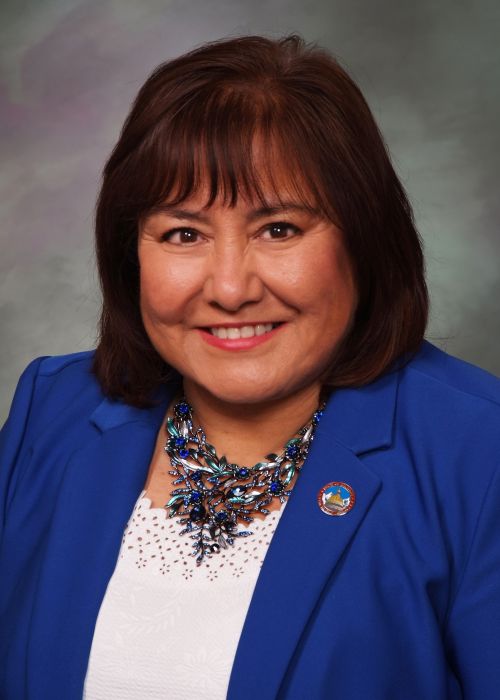
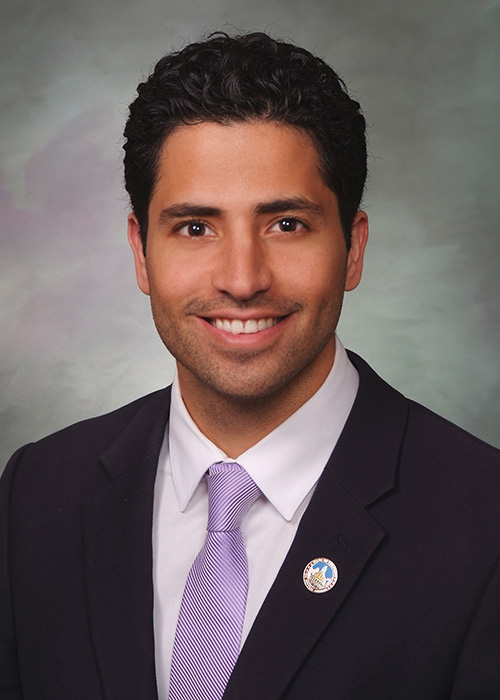
Cecelia Espenoza
Cecelia Espenoza House · District 4
D
Strong +
100% 4
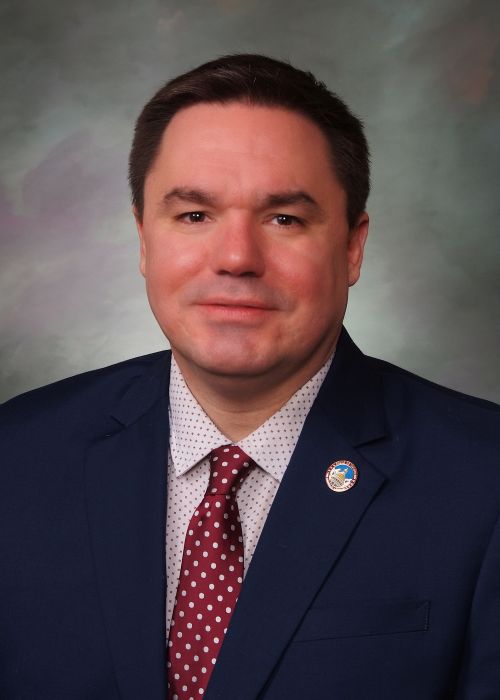
Chad Clifford
Chad Clifford House · District 37
D
Strong +
100% 4
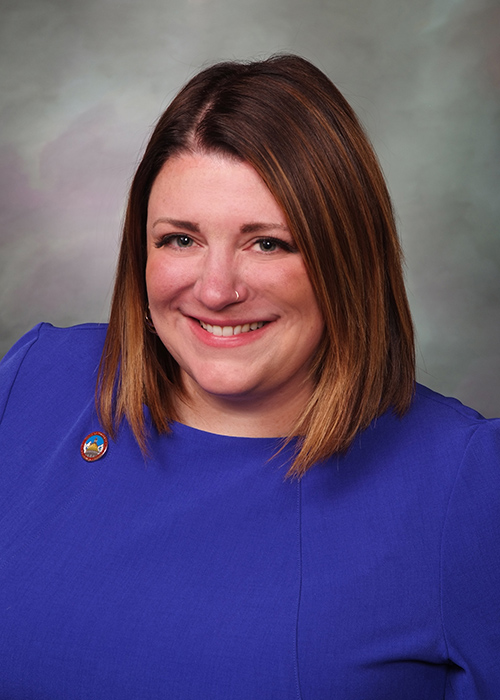
Jenny Willford
Jenny Willford House · District 34
D
Strong +
100% 4
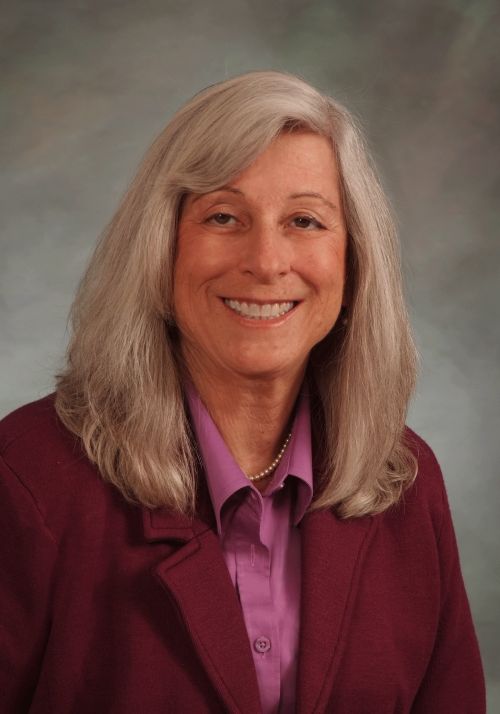
Lori Goldstein
Lori Goldstein House · District 29
D
Strong +
100% 4
Manny Rutinel
Manny Rutinel House · District 32
D
Strong +
100% 4
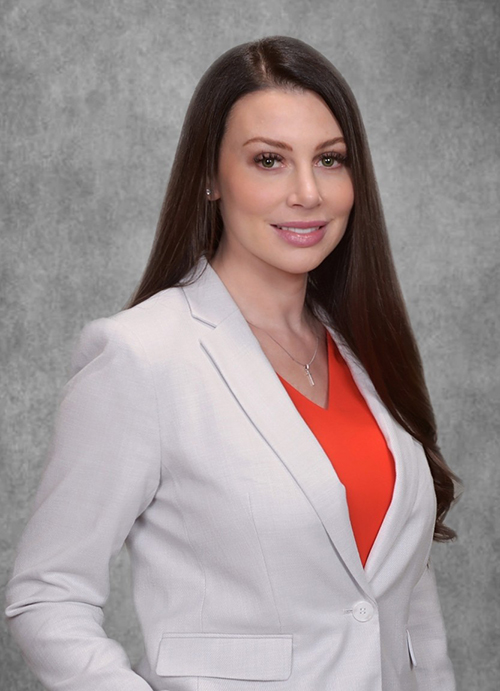
Ava Flanell
Ava Flanell House · District 14
R
Strong −
0% 4
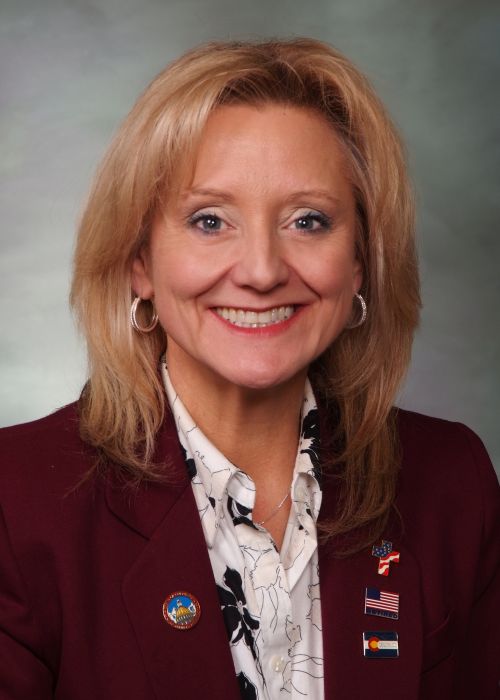
Rebecca Keltie
Rebecca Keltie House · District 16
R
Strong −
0% 4
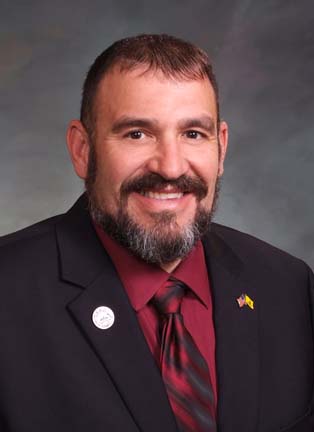
Ty Winter
Ty Winter House · District 47
R
Strong −
0% 4
Chris Richardson
Chris Richardson House · District 56
R
Strong −
12% 8
Dusty Johnson
Dusty Johnson House · District 63
R
Strong −
20% 5
Showing 11–14 of 14 bills

All budget & taxes bills

in committee · Colorado · House Mar 18, 2026

HB 1301: Hospital Funding

The bill is a referred measure that will, if approved by the voters of the state at the 2026 general election, increase the excise tax on liquor by:$0.0733 per gallon, or the same per unit volume tax applied to metric measure, on all malt liquors and hard cider;$0.08 per liter on all vinous liquors except hard cider; and$0.6026 per liter on all spirituous liquors.This excise tax must be collected on the respective beverages not otherwise exempt from the tax, sold, offered for sale, or used in the state. The bill, if approved by the voters of the state at the 2026 general election, would also increase the state retail marijuana sales and excise taxes each by 0.42 percentage points.     The bill requires the treasurer to transfer an amount equal to the tax revenue raised as a result of the bill to the hospital support account that is created in the capital construction fund. The department of human services may expend money from the hospital support account in the following priority order:First, to fund the construction of the Colorado mental health institute at Aurora created in section 2 of the bill (institute);Second, to fund the operational expenses associated with the institute; andThird, to fund the operational expenses associated with long-term civil commitment facilities in Mesa County.      Section 2 creates the institute, the construction, operation, and maintenance of which is funded by money in the hospital support account. The institute is a state institution for the treatment of persons with mental health, behavioral health, or substance use disorders. The institute operates under the control and supervision of the department of human services (department). The head of the administrative division overseeing the institute is permitted to appoint or employ necessary administrators, physicians, nurses, attendants, and other personnel required for the proper conduct of the institute. The administrative division head is permitted to contract with the board of regents of the University of Colorado health sciences center or other state-supported institutions of higher education to provide necessary medical services. Section 2 establishes criteria for access to inpatient civil beds at the institute.(Note: This summary applies to this bill as introduced.)
Sub-Topics Revenue Sales Tax
signed · Colorado · Senate May 29, 2026

SB 42: Revenue Classification Taxpayers Bill of Rights

Section 20 of article X of the state constitution (the Taxpayer's Bill of Rights or TABOR) defines 'fiscal year spending' as excluding 'collections for another government' and 'damage awards'. Although TABOR does not define either 'collections for another government' or 'damage awards', the TABOR implementing statutes define both terms. The act clarifies both of these definitions for state fiscal years commencing on or after July 1, 2025.     The act clarifies that 'collections for another government', as used for the purpose of determining whether specific money received by the state is subject to the TABOR limitation on state fiscal year spending, includes:Revenue from the excise tax and sales and use tax on gasoline used as fuel for the propulsion of specified aircraft that is collected by the state and distributed to governmental or airport entities operating a federal aviation administration-designated public use airport; andRevenue from fees that are collected by the department of public safety for the purpose of criminal history record checks and that is transmitted to the federal bureau of investigation for a required federal component of such criminal history record checks.     The act also clarifies that 'damage award', as used for the purpose of determining whether specific money received by the state is subject to the TABOR limitation on state fiscal year spending, includes money from certain sources that is deposited in the crime victim compensation fund of each judicial district.     The act specifies that for fiscal years commencing on or after July 1, 2026, the general assembly shall appropriate money to the district attorney in each judicial district in an amount equal to 20% of the total amount of money in the fund in that judicial district for administrative costs and to the court executive in each judicial district in an amount equal to 2.5% of the total amount of money in the fund in that judicial district for administrative costs.     For the 2026-27 state fiscal year, the act appropriates $2,250,000 from the general fund to the judicial department for use by state courts administration for victim's compensation administration.(Note: This summary applies to this bill as enacted.)
Sub-Topics Revenue Sales Tax
failed · Colorado · House May 14, 2026

HB 1048: Back-to-School Sales Tax Holiday

Section 1 of the bill creates a time-limited state sales and use tax exemption (tax holiday) for back-to-school items. The tax holiday applies to the last weekend of July 2027 and reoccurs at approximately the same time in 2028 and 2029. A "back-to-school item" means an article of clothing, a school supply, or a learning aid that is purchased primarily for use by an individual who is under 21 years old. The exemption for each item is limited by cost as follows:$100 for an article of clothing;$50 for a school supply; and$30 for a learning aid. Section 2 permits a town, city, or county to create a tax holiday for back-to-school items that is identical to the state tax holiday.(Note: This summary applies to this bill as introduced.)
in committee · Colorado · House Feb 9, 2026

HB 1036: Local Taxes on Vacant Residential Property

The bill authorizes a county or municipality (local government), after approval by the electors of the local government, to impose an excise or a property tax, or both, on vacant residential properties within the boundaries of the local government (local taxes on vacant residential properties) ( sections 1 and 3 of the bill). A local government may use the revenues collected from either tax only for affordable, attainable, or workforce housing. A county assessor has no duty in implementing local taxes on vacant residential properties, but in an assessor's discretion, the assessor may assist by providing data and information to a local government or local housing tax authority, and may enter into an intergovernmental agreement that provides for compensation in exchange for the assessor's assistance.The bill also creates a process for the creation of a local housing tax authority (authority) by intergovernmental agreement to allow 2 or more counties, cities and counties, or municipalities to form a joint taxing authority to collectively establish, levy, collect, and enforce local taxes on vacant residential properties within the boundaries of the authority ( section 2 ).(Note: This summary applies to this bill as introduced.)
Showing 11 to 14 of 14 bills