Fix Our Forests Act
What changed between versions
Three entirely new titles added: Title IV (Wildland Fire Management Casualty Assistance Program), Title V (White Oak Resilience with 8 sections covering restoration, research, tree nursery shortages, and a USDA formal initiative), and Title VI (Expansion of Public-Private Partnerships under Water Source Protection Program).
New Section 117 requires the Forest Service Chief to develop a strategy for using livestock grazing as a wildfire risk reduction tool, including targeted grazing, temporary permits during drought or wildfire, and post-fire recovery grazing.
New Section 118 establishes a DOI program to support priority reforestation and restoration projects on lands unlikely to experience natural regeneration without assistance, using cooperative agreements and contracts.
HFRA amendments in Sec. 106 expanded to include Fire Regime IV and V (previously only I, II, or III), broadening the types of forest areas eligible for hazardous fuels reduction projects under categorical exclusions.
Joint Chiefs landscape restoration partnership program (new Sec. 115) expanded with additional purposes (recover from wildfires, enhance soil/water/natural resources), required identification of post-wildfire impacts, alignment with State forest action plans or similar priority plans, biennial reporting requirement, and funding extended through 2028.
New defined term 'Special District' added throughout the bill, meaning a political subdivision of a State with significant budgetary autonomy, created for a limited governmental or proprietary function, and distinct from other local government units. This expands eligibility under good neighbor agreements and HFRA provisions.
Fireshed Center purposes (Sec. 102) substantially rewritten to include artificial intelligence and data tools, expand scope to smoke management alongside fire, add specific use categories (land/fuels management, community health and built environment risk reduction, fire response and post-fire recovery), and add a new dissemination requirement for data tools to Federal agencies, Tribes, State/local governments, academic institutions, and other entities.
Stewardship contracting (Sec. 112) modified to extend contract terms from 10 years to 20 years, add language about retaining and expanding existing forest products infrastructure, and add a new rule requiring 10% of contract value as cancellation/termination payment for long-term agreements (over 5 years) that are terminated.
Fireshed assessments (Sec. 105) changed from 'best available data' to 'best available science,' added tribal water supplies and systems to watershed protection criteria, changed 'Tribal resources' to 'resources of an Indian Tribe, as defined by the Indian Tribe,' and added a new requirement for a strategy to improve wildland firefighting effectiveness and firefighter safety.
Good neighbor agreement fund uses (Sec. 111) expanded to allow timber sale revenue to be used for reconstruction of non-National Forest System roads, construction of new permanent roads on Federal lands for restoration activities, and replacement of existing roads adversely impacting forest, rangeland, or watershed health. Fund retention period extended from 2024 to 2029.
Collaborative forest landscape restoration program (new Sec. 116) expanded to fund 4 proposals per region instead of 2, extend funding period from 2019-2023 to 2023-2029, and add many new eligible project types including bark beetle removal in 13 specific states, firewood and Christmas tree sales, cross-ownership wildfire risk reduction, watershed health enhancement, and use of good neighbor agreements as implementation mechanisms.
Fireshed Registry (Sec. 103) gained a new subsection (d) allowing the Director to rely on assessments completed or data gathered through existing partnerships to the extent practicable, reducing duplicative data collection efforts.
How they voted
Actions timeline
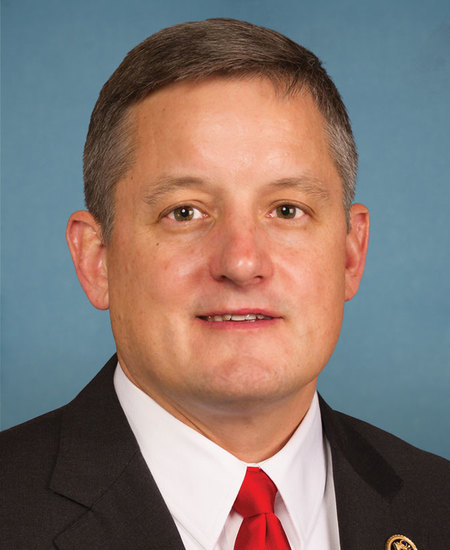
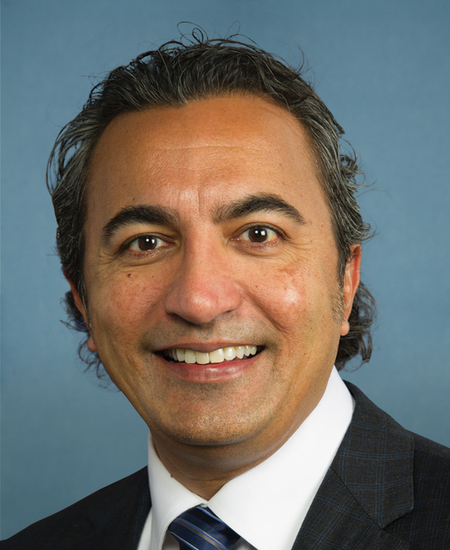
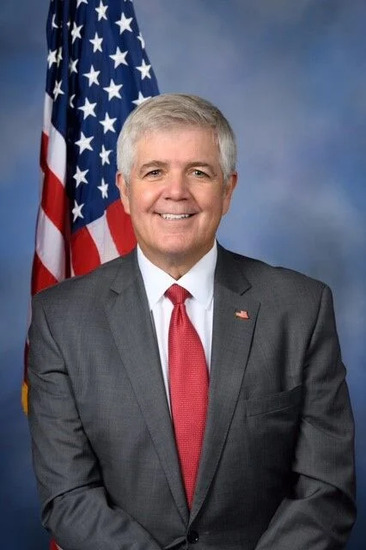
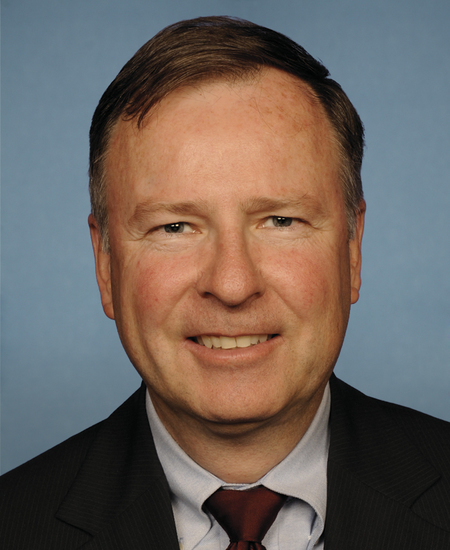
Sponsors