

Mental health professionals: artificial intelligence.
Summary
Existing law establishes various healing arts boards within the Department of Consumer Affairs that license and regulate various healing arts licensees. Existing laws, including the Licensed Marriage and Family Therapist Act, the Educational Psychologist Practice Act, the Clinical Social Worker Practice Act, and the Licensed Professional Clinical Counselor Act, make a violation of those acts a crime. Existing law regulates the use of artificial intelligence, as defined. Existing law requires a health facility, clinic, physician's office, or office of a group practice that uses generative artificial intelligence to generate written or verbal patient communications pertaining to patient clinical information to ensure those communications include a disclaimer that indicates to the patient that a communication was generated by artificial intelligence and instructions describing how a patient may contact a human health care provider, employee, or other appropriate person. This bill would regulate the use of artificial intelligence in connection with providing or facilitating psychotherapy services, as defined. The bill, among other things, would authorize an individual, corporation, or entity that provides or facilitates psychotherapy services to use artificial intelligence tools or systems only to assist in providing administrative or supplementary support in psychotherapy services, as specified. The bill would prohibit an individual, corporation, or entity from using artificial intelligence to record or transcribe psychotherapeutic communications or sessions or to triage or screen a person for the need for psychotherapy services unless the patient or client or their authorized representative is informed that artificial intelligence will be used and the purpose of the artificial intelligence tool or system, and the patient or client or their authorized representative provides consent, as specified. The bill would prohibit an individual, corporation, or entity from advertising or otherwise purporting to offer psychotherapy services when the services are provided through the use of companion chatbots. The bill would prohibit an individual, corporation, or entity from allowing artificial intelligence to perform certain acts, including making therapeutic decisions or detecting emotions or mental states, as specified, without review and approval by a licensed professional. The bill would make a violation of the bill's provisions subject to the jurisdiction of the appropriate health care professional licensing board or enforcement agency, as specified, and would authorize those boards and enforcement entities to pursue any remedies authorized by law. Existing law, the Confidentiality of Medical Information Act, generally restricts the persons and entities to whom, and the purposes for which, a health care provider, health care service plan, or contractor may release a patient's medical information. The Confidentiality of Medical Information Act additionally imposes certain disclosure requirements for the release of medical information that specifically relates to the patient's participation in outpatient treatment with a psychotherapist. In this regard, the act prohibits a health care provider, health care service plan, or contractor from releasing that information to persons or entities who have requested that information and who are otherwise authorized by specified laws to receive that information, unless the requester makes certain written disclosures to the patient and to the provider of health care, health care service plan, or contractor, as specified. Those disclosures include, among other things, the specific intended uses of the information, and the length of time during which the information will be kept before being destroyed or disposed of, as specified. Existing law makes a violation of those provisions that result in economic loss or personal injury to a patient punishable as a misdemeanor. This bill would require the use of artificial intelligence in patient or client records for psychotherapy services to comply with the confidentiality requirements of the above-described provision of the Confidentiality of Medical Information Act and would prohibit a company or entity from sharing, selling, storing, or training their models on any data obtained from psychotherapy in a manner inconsistent with any applicable law. By expanding the scope of existing crimes, the bill would impose a state-mandated local program. The California Constitution requires the state to reimburse local agencies and school districts for certain costs mandated by the state. Statutory provisions establish procedures for making that reimbursement. This bill would provide that no reimbursement is required by this act for a specified reason.
Bill status
passed both
4 of 5 stages cleared
Introduction
Jan 2026
Committee Review
Aug 2026
Senate Passage
May 2026
Assembly Passage
Aug 2026
Governor
Introduced Jan 21, 2026
Last action Aug 30, 2026
Maddy AI version diff · 5 comparisons
What changed between versions
08/21/26 - Amended Assembly
→
SB903
·
1 edit
MINOR
No substantive policy changes were made between these two versions. The diff reflects a reformatting of the same bill text from a traditional legislative document layout (with line numbers, page headers, and footers) to a web-based presentation format (with navigation elements and cleaner section formatting). All sections, definitions, requirements, and exemptions remain identical.
TECHNICAL
The bill text was reformatted from a numbered-line legislative document style to a web-based presentation without line numbers or page markers. Web navigation elements (skip to content, home, accessibility, FAQ, etc.) were added as part of the display format.
Floor votes · Senate May 19, 2026 · Assembly Aug 31, 2026
How they voted
39–0
Passed · 1 other
Total votes 40
May 19, 2026
D
Democratic30
100% Yea
R
Republican10
90% Yea
Vote distribution
All Yea
All Nay
Mixed
No data
Full legislative history
Actions timeline
Total actions
31
Key actions
13
Committee
7
Amendments
6
Aug 31, 2026
Assembly · Passed
Assembly Vote: pass (73-1-4)
assembly
Aug 30, 2026
Introduced
In Senate. Concurrence in Assembly amendments pending.
upper
Aug 30, 2026
Lower · Passed
Read third time. Passed. Ordered to the Senate.
lower
Aug 21, 2026
Lower · Passed
Read third time and amended.
lower
Aug 13, 2026
Lower · Passed
From committee: Do pass. (Ayes 13. Noes 0.) (August 13).
lower
Jul 2, 2026
Lower · Passed
Read second time and amended. Re-referred to Com. on APPR.
lower
Jul 2, 2026
Lower · Passed
From committee: Do pass as amended and re-refer to Com. on APPR. (Ayes 14. Noes 1.) (July 1).
lower
Jun 16, 2026
Lower · Passed
From committee: Do pass and re-refer to Com. on P. & C.P. (Ayes 17. Noes 0.) (June 16). Re-referred to Com. on P. & C.P.
lower
Jun 8, 2026
Lower · Passed
From committee with author's amendments. Read second time and amended. Re-referred to Com. on B. & P.
lower
May 26, 2026
Committee
Referred to Coms. on B. & P. and P. & C.P.
lower
May 19, 2026
Upper · Passed
Read third time. Passed. (Ayes 39. Noes 0. Page 4341.) Ordered to the Assembly.
upper
May 14, 2026
Upper · Passed
From committee: Do pass. (Ayes 7. Noes 0. Page 4256.) (May 14).
upper
Apr 21, 2026
Upper · Passed
From committee: Do pass and re-refer to Com. on APPR. (Ayes 8. Noes 0. Page 3957.) (April 20). Re-referred to Com. on APPR.
upper
Apr 13, 2026
Upper · Passed
From committee: Do pass and re-refer to Com. on P., D.T., & C.P. (Ayes 11. Noes 0. Page 3840.) (April 13). Re-referred to Com. on P., D.T., & C.P.
upper
Apr 7, 2026
Upper · Passed
From committee with author's amendments. Read second time and amended. Re-referred to Com. on B. P. & E.D.
upper
Feb 18, 2026
Committee
Referred to Coms. on B. P. & E.D. and P., D.T., & C.P.
upper
Jan 21, 2026
Introduced
Introduced. Read first time. To Com. on RLS. for assignment. To print.
upper
1 primary · 4 co-sponsors
Sponsors
Role
Legislator
Party
State
District
P
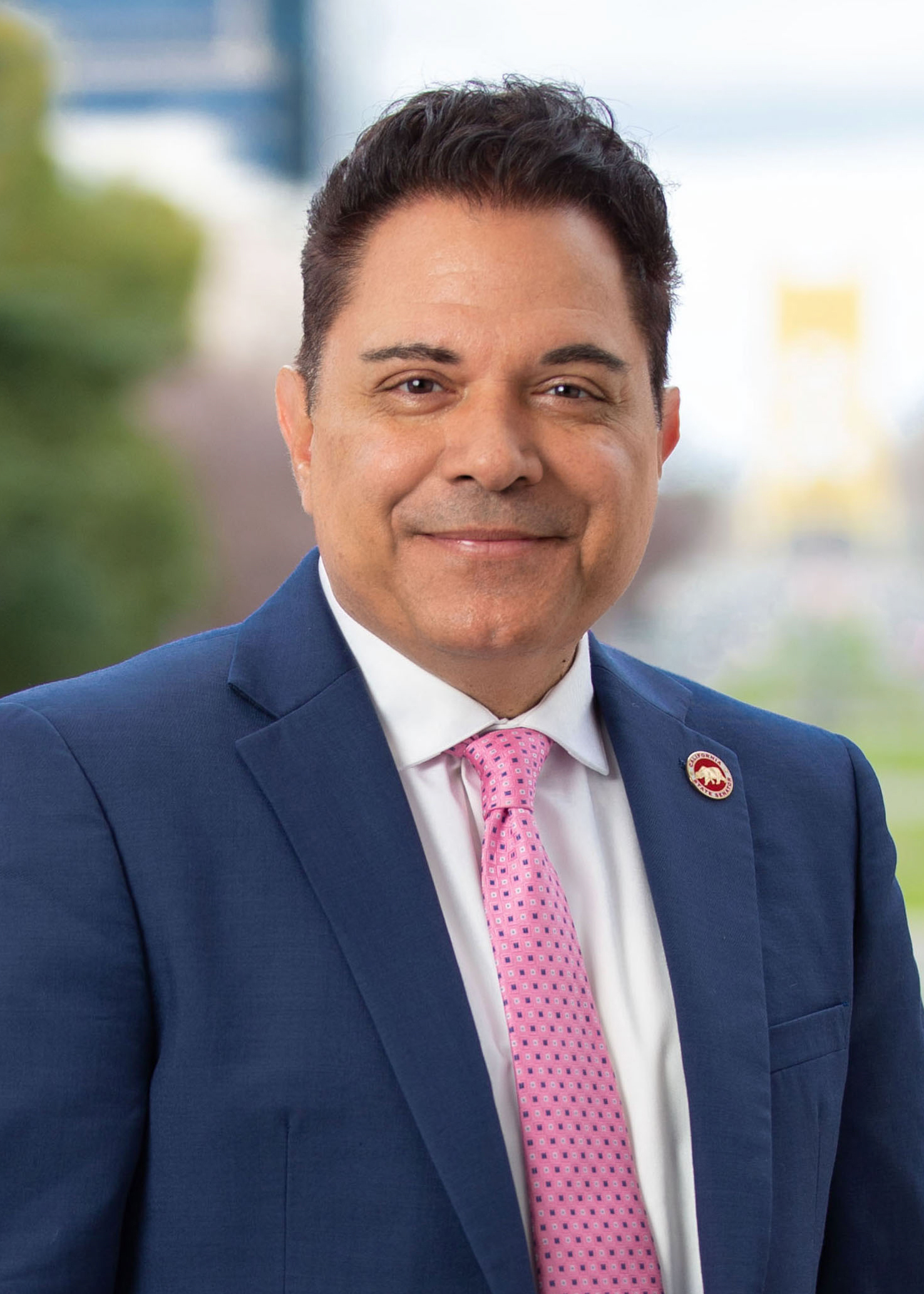
Steve Padilla
DDemocratic
Co
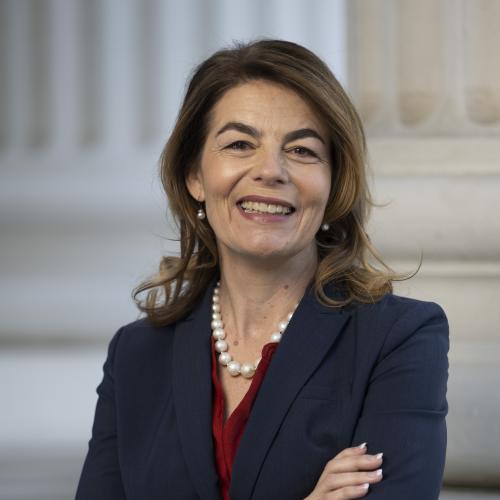
Dawn Addis
DDemocratic
Co
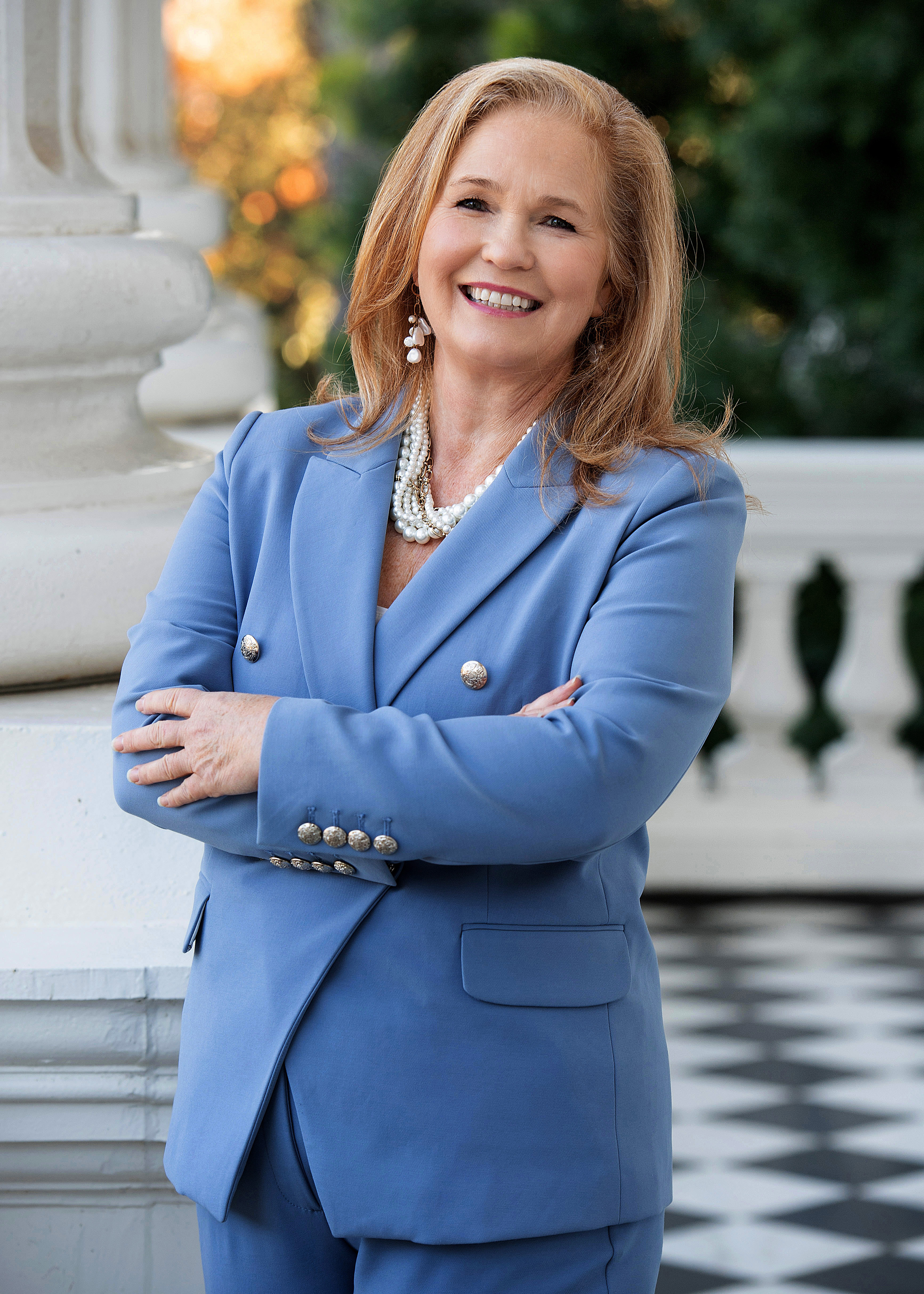
Gail Pellerin
DDemocratic
Co
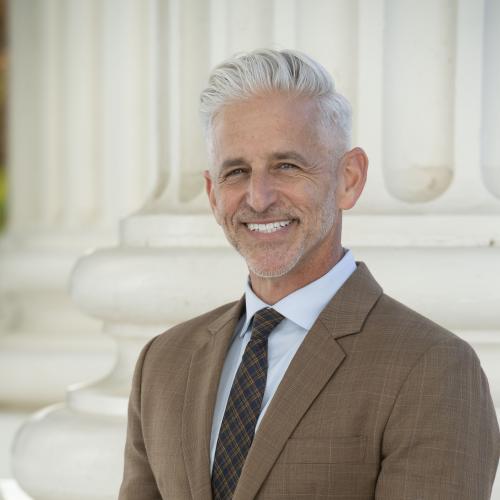
Josh Lowenthal
DDemocratic
Co

Susan Rubio
DDemocratic
Ask Maddy
·
AI policy assistant
Ask Maddy about SB 903
Scope: CA
Hi! I can help you understand SB 903. What would you like to know?
Try one of these
i
Maddy answers using official bill text and legislative records. Always verify before sharing.
Sources cited inline