

Health and care facilities: licensing during emergencies or disasters.
Summary
Existing law provides for the licensure of clinics and various health facilities, including skilled nursing facilities and intermediate care facilities, by the State Department of Public Health. Existing law, the Long-Term Care, Health, Safety, and Security Act of 1973, generally requires the department to license, inspect, and regulate long-term health care facilities, including skilled nursing facilities. Existing law makes it a misdemeanor for any person to willfully or repeatedly violate the act, as specified. Existing regulations require skilled nursing facilities to adopt and follow a written external disaster and mass casualty program plan developed with the advice and assistance of county or regional and local planning offices. This bill would require skilled nursing facilities to review the external disaster and mass casualty program plan at least once per year. The bill would require, in adopting and updating the plan, skilled nursing facilities to, among other things, seek input from county or regional and local planning offices, including the medical health operational area coordinator (MHOAC) . By expanding the scope of an existing crime, the bill would impose a state-mandated local program. Existing law provides for the licensure of residential care facilities for the elderly (RCFEs) by the State Department of Social Services. Existing law requires an RCFE to have an emergency and disaster plan that includes specified information, including evacuation procedures. Under existing law, an RCFE is encouraged to have the plan be reviewed by local emergency authorities. This bill would instead encourage an RCFE to provide a copy of its emergency and disaster plan to the MHOAC, as specified. Existing law provides for the licensure of various facilities, including community care facilities, RCFEs, residential care facilities for persons with chronic life-threatening illnesses, child daycare facilities, and home care organizations by the State Department of Social Services and makes a violation of those provisions a crime. Existing law provides for the licensure of alcohol or other drug recovery or treatment facilities and alcohol or other drug programs by the State Department of Health Care Services. This bill would set forth provisions for the licensing status of the above-described entities, including medical foster homes for veterans, that are nonoperational due to its destruction, significant damage, or prolonged closure, during and as a result of an emergency or disaster proclaimed by the Governor, a federal emergency declaration, a federal major disaster declaration, or a federal fire management assistance declaration. This bill would require the State Department of Social Services to allow specified entities, when nonoperational as described above, to request inactive license status if the entity notifies the department that it intends to become operational again by being rebuilt or reopening in the same location. If an entity seeks to request inactive license status, the bill would require the entity to notify the department within 90 days of the proclamation or declaration and would authorize the department to extend the time to submit a request, as specified. In the case of an entity that is nonoperational, as specified, being rebuilt for the same purpose, and approved for inactive license status, the bill would authorize the department to waive, in whole or in part, the annual or biennial state licensing fees for the entity on a year-by-year basis. This bill would authorize alcohol or other drug recovery or treatment facilities and alcohol or other drug programs to request the State Department of Health Care Services to place its license or certification on inactive status as a result of an emergency or disaster if prescribed conditions are met. The bill would require a facility or program to request the current license or certification to be made inactive within 90 days of the applicable proclamation or declaration and would require the department, within 15 working days of receipt of the request, to provide written notification to the facility or program stating whether the request is complete or incomplete. The bill would establish the requirements for a facility or program to apply for reactivation of a license or certification. If an entity is licensed or certified by more than one state department within the California Health and Human Services Agency, is made nonoperational, and requests inactive license status or obtains an inactive license, this bill would require the governing state departments to coordinate operational steps, as specified. This bill would require the State Department of Health Care Services, for the duration of the first 30 calendar days following a proclamation or declaration, to require Medi-Cal managed care plans to presume that conditions are met for Emergency Remote Services in Community-Based Adult Services programs for purposes of an entity made nonoperational. The bill would also require the State Department of Social Services, for the duration of the first 90 calendar days following a proclamation or declaration, to waive in-person or daily attendance requirements for childcare programs for purposes of an entity made nonoperational. This bill would require the State Department of Social Services to collaborate with local building, planning, and permitting officials, the local fire marshal, and local childcare agencies and regional centers, to ensure swift and seamless processes for inspecting and licensing entities that are subject to the above-described provisions, as applicable. In the event of a proclamation or declaration, this bill would authorize the State Department of Public Health to continue to exercise its existing authority, as specified, and any proclamation or declaration authorizing alternative action. The bill would authorize the department to take specified actions, including, but not limited to, suspending a facility's beds, services, or license to assist facilities that have been rendered nonoperational due to a declared disaster. For certain facilities, beginning January 1, 2028, this bill would additionally authorize a licensee to request inactive license status for any other period of inactivity in the operation of the facility. The bill would prescribe requirements for a licensee to submit the request for inactive license status under those circumstances, including that the request be written on a form approved by the State Department of Social Services. The bill would generally prohibit a license from being valid during any period of inactive license status. By expanding the scope of existing crimes, the bill would impose a state-mandated local program. The California Constitution requires the state to reimburse local agencies and school districts for certain costs mandated by the state. Statutory provisions establish procedures for making that reimbursement. This bill would provide that no reimbursement is required by this act for a specified reason.
Bill status
signed
all 5 stages cleared
Introduction
Feb 2025
Committee Review
Aug 2025
Senate Passage
Jun 2025
Assembly Passage
Sep 2025
Signed into Law
Oct 2025
Introduced Feb 20, 2025
Signed Oct 10, 2025
Maddy AI version diff · 9 comparisons
What changed between versions
09/13/25 - Enrolled
→
10/10/25 - Chaptered
·
3 edits
·
Oct 10, 2025
MINOR
This diff reflects the transition of SB 582 from its enrolled form (as passed by the legislature) to its chaptered form (as published in the statutes after gubernatorial approval). The Governor approved the bill on October 10, 2025, and it was filed with the Secretary of State the same day. No substantive policy changes were made between these two versions; all differences are formatting, pagination, and publication-related.
TECHNICAL
The bill header changed from 'Senate Bill No. 582' with transmittal letter language to 'CHAPTER 546' with the standard chaptered bill format including 'STATE OF CALIFORNIA AUTHENTICATED ELECTRONIC LEGAL MATERIAL' and the Governor's approval date (October 10, 2025).
The transmittal letter language ('This bill was received by the Governor this day of , 2025, at o'clock m.') and signatures of the Secretary of the Senate and Chief Clerk of the Assembly were removed, as they are not part of the published statute.
Page numbering changed from page 92 (enrolled) to page 91 (chaptered), and running headers changed from 'SB 582' to 'Ch. 546' throughout the document.
Floor votes · Senate Jun 3, 2025 · Assembly Sep 8, 2025
How they voted
39–0
Passed · 1 other
Total votes 40
Jun 3, 2025
D
Democratic30
96% Yea
R
Republican10
100% Yea
Vote distribution
All Yea
All Nay
Mixed
No data
Full legislative history
Actions timeline
Total actions
41
Key actions
16
Committee
9
Amendments
10
Oct 10, 2025
Signed into law
Approved by the Governor.
legislature
Sep 10, 2025
Upper · Passed
Assembly amendments concurred in. (Ayes 40. Noes 0. Page 2819.) Ordered to engrossing and enrolling.
upper
Sep 8, 2025
Introduced
In Senate. Concurrence in Assembly amendments pending.
upper
Sep 8, 2025
Lower · Passed
Read third time. Passed. (Ayes 79. Noes 0. Page 2996.) Ordered to the Senate.
lower
Sep 2, 2025
Lower · Passed
Read third time and amended.
lower
Aug 29, 2025
Lower · Passed
From committee: Do pass. (Ayes 15. Noes 0.) (August 29).
lower
Jul 16, 2025
Lower · Passed
From committee: Do pass and re-refer to Com. on APPR. with recommendation: To consent calendar. (Ayes 16. Noes 0.) (July 15). Re-referred to Com. on APPR.
lower
Jun 26, 2025
Lower · Passed
Read second time and amended. Re-referred to Com. on HEALTH.
lower
Jun 25, 2025
Lower · Passed
From committee: Do pass as amended and re-refer to Com. on HEALTH. (Ayes 7. Noes 0.) (June 24).
lower
Jun 12, 2025
Committee
Re-referred to Coms. on AGING & L.T.C and HEALTH pursuant to Assembly Rule 96.
lower
Jun 9, 2025
Committee
Referred to Coms. on HEALTH and AGING & L.T.C.
lower
Jun 3, 2025
Upper · Passed
Read third time. Passed. (Ayes 39. Noes 0. Page 1452.) Ordered to the Assembly.
upper
May 23, 2025
Upper · Passed
From committee: Do pass. (Ayes 6. Noes 0. Page 1205.) (May 23).
upper
May 5, 2025
Upper · Passed
Read second time and amended. Re-referred to Com. on APPR.
upper
May 1, 2025
Upper · Passed
From committee: Do pass as amended and re-refer to Com. on APPR. with recommendation: To consent calendar. (Ayes 11. Noes 0. Page 965.) (April 30).
upper
Apr 22, 2025
Upper · Passed
From committee with author's amendments. Read second time and amended. Re-referred to Com. on HEALTH.
upper
Apr 22, 2025
Upper · Passed
From committee: Do pass and re-refer to Com. on HEALTH with recommendation: To consent calendar. (Ayes 5. Noes 0. Page 812.) (April 21). Re-referred to Com. on HEALTH.
upper
Apr 8, 2025
Upper · Passed
From committee with author's amendments. Read second time and amended. Re-referred to Com. on HUMAN S.
upper
Apr 3, 2025
Committee
Re-referred to Coms. on HUMAN S. and HEALTH.
upper
Apr 2, 2025
Committee
Re-referred to Coms. on HEALTH and HUMAN S.
upper
Mar 24, 2025
Upper · Passed
From committee with author's amendments. Read second time and amended. Re-referred to Com. on RLS.
upper
Mar 5, 2025
Committee
Referred to Com. on RLS.
upper
Feb 20, 2025
Introduced
Introduced. Read first time. To Com. on RLS. for assignment. To print.
upper
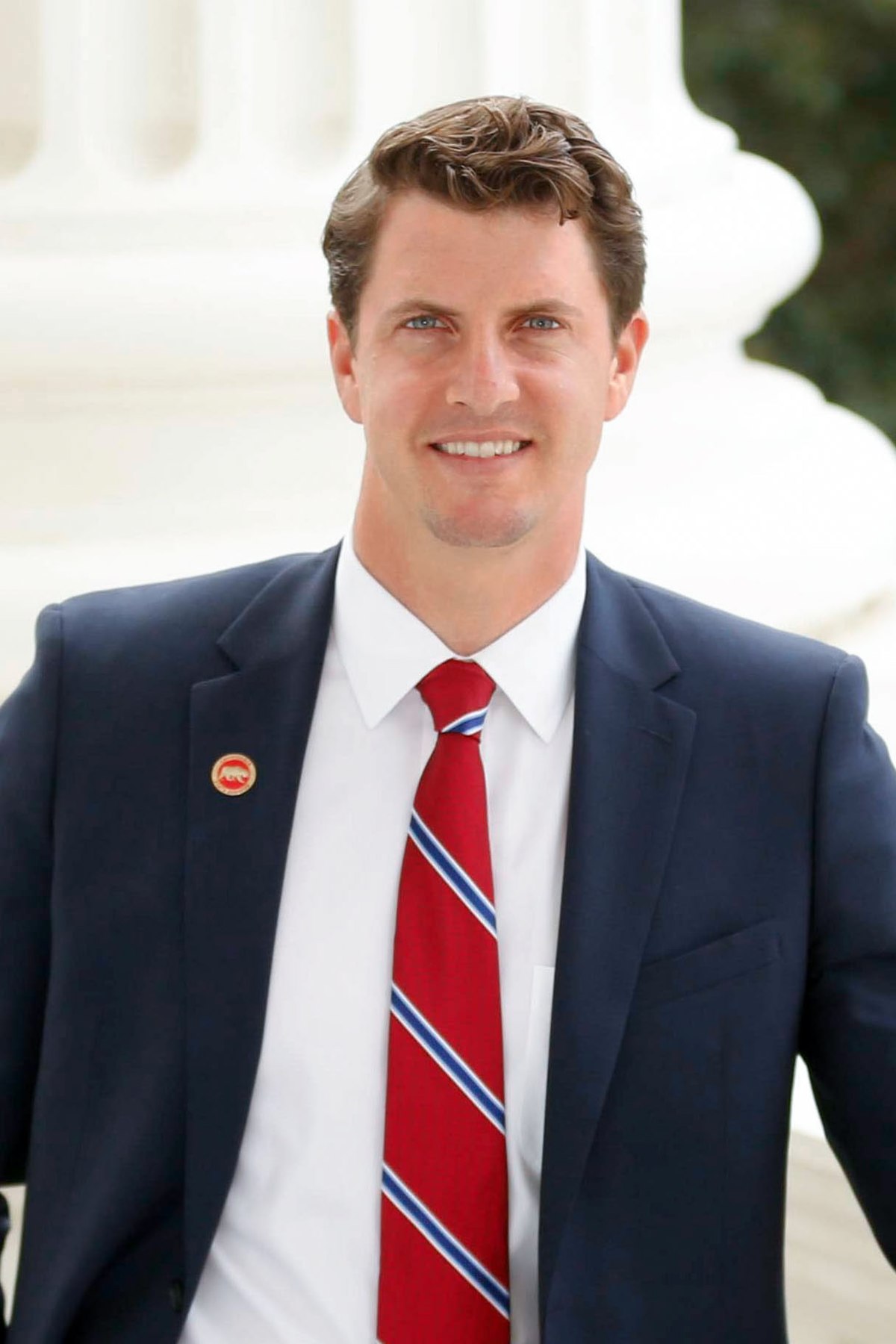
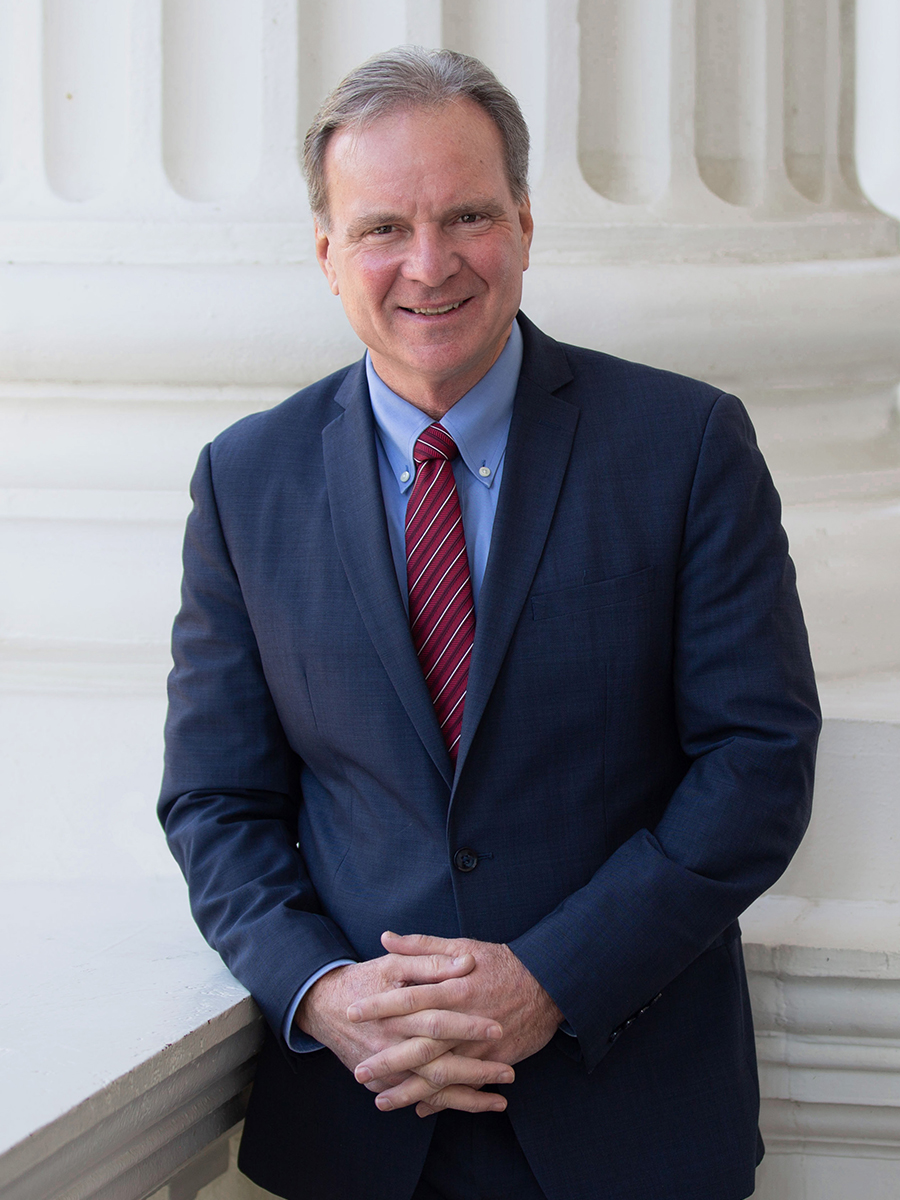
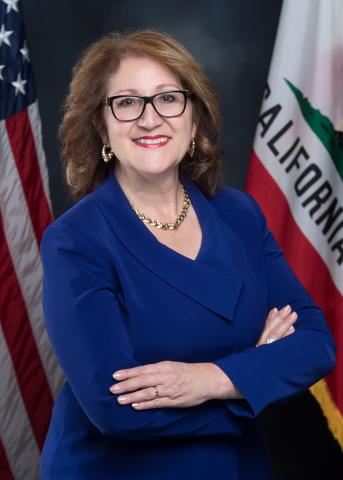
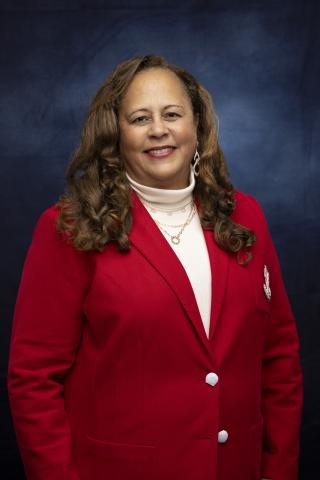
1 primary · 9 co-sponsors
Sponsors





Ask Maddy
·
AI policy assistant
Ask Maddy about SB 582
Scope: CA
Hi! I can help you understand SB 582. What would you like to know?
Try one of these
i
Maddy answers using official bill text and legislative records. Always verify before sharing.
Sources cited inline